How to Use LinkedIn Before an Offline Event
What You’ll Learn in this Issue
- Research attendees, speakers, and relevant companies in advance to build a focused list of people you genuinely want to meet.
- Start warming those relationships early through connection requests, relevant engagement, and simple DMs, rather than reaching out to everyone just before the event.
- The familiarity built online gives you context and natural conversation starters offline, making networking easier while increasing the chances of meaningful connections.
Most people use LinkedIn to follow up after an event. But some of its best value can come before you even walk into the room.
Before an important conference or industry event, LinkedIn can help you figure out who will be there, learn more about the people you want to meet, and even start conversations in advance.
We’ve used this approach with clients to make offline events more valuable. Instead of walking into a room full of unfamiliar faces, they arrive with context, a few familiar names, and conversations that have already begun online.
In this issue of North Star, we break down how to use LinkedIn before an offline event and make the most of the opportunities once you’re there.
Build Your Attendee List
LinkedIn is one of the best places to identify and connect with people who will be attending the event.
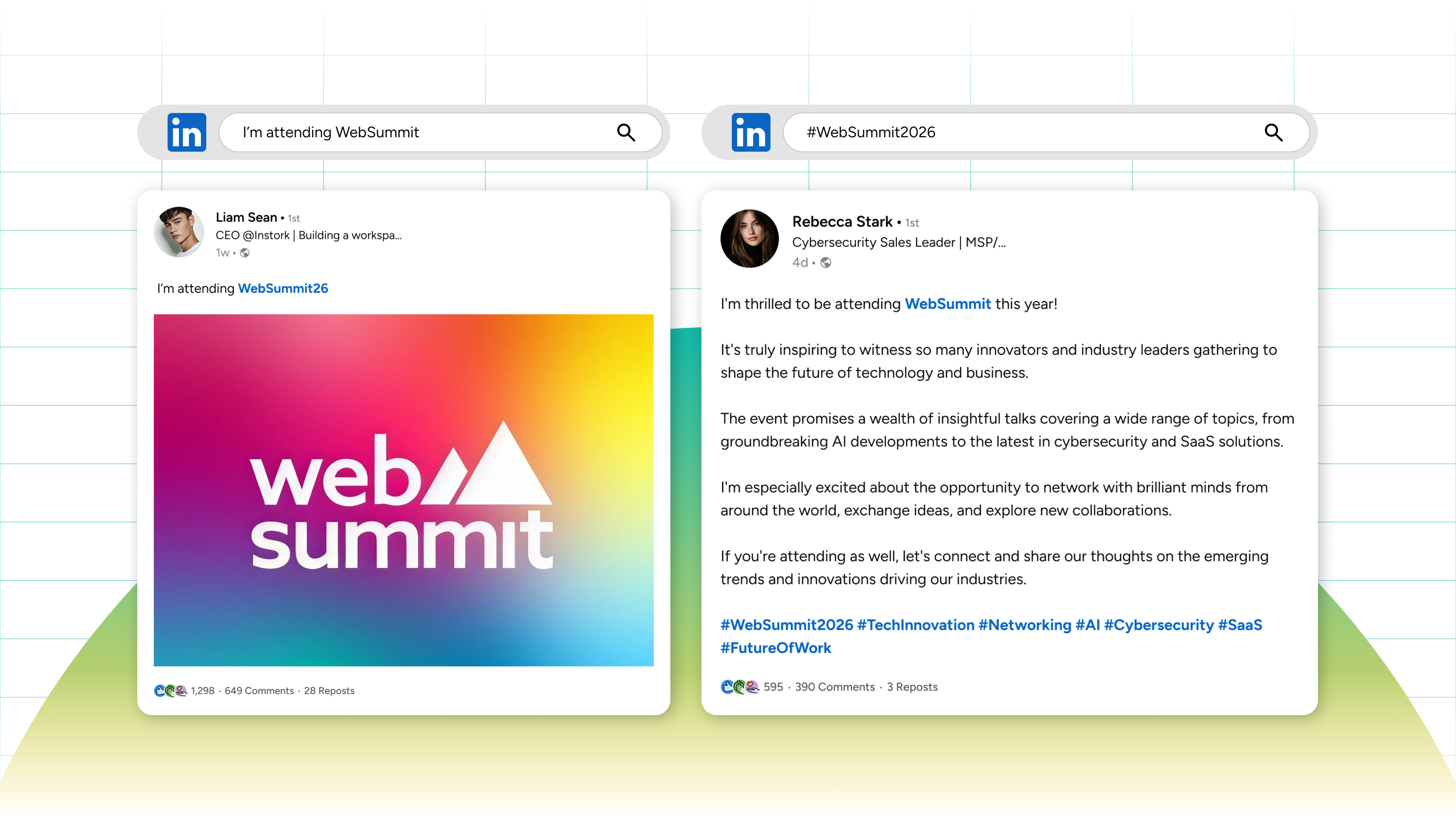
You can usually find attendees by searching for:
• The event name
• Relevant company names
• Posts using phrases like "I'm attending" or "See you at [Event Name]"
• The attendee or speaker list on the event website
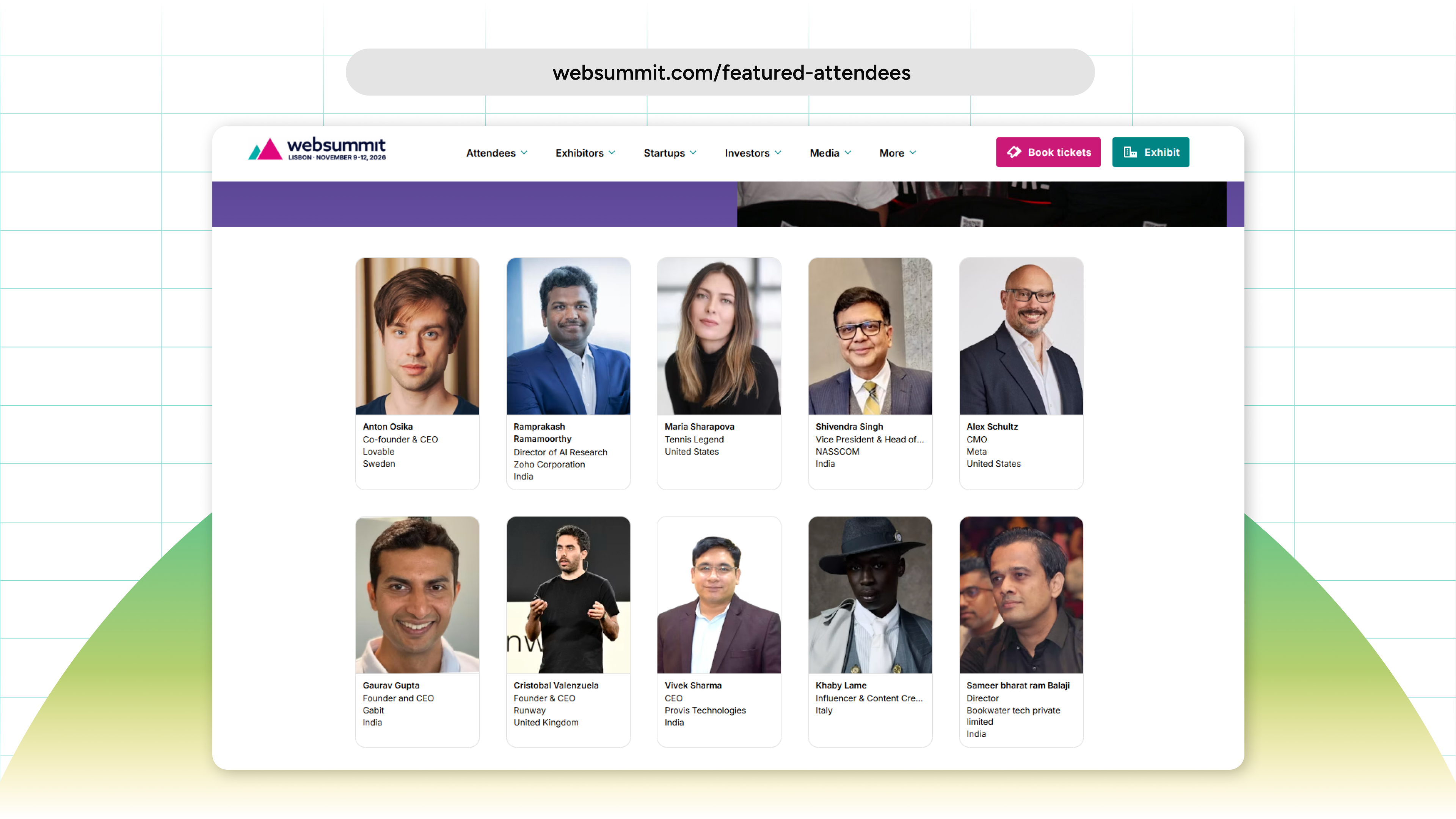
What To Do With the List
Once you've identified the people who are attending (or are likely to attend), start warming up the relationship before the event.
• Send them a connection request.
• Engage with a few of their recent posts and become a familiar name.
• If appropriate, send a short message mentioning that you'll also be attending the event.
Doing this groundwork makes the actual event much easier.
When you finally meet, you already have context, conversation starters, and a level of familiarity. It helps you skip the awkward first introduction and approach the conversation with much more confidence.
Sending A Cold DM
A simple, genuine message before the event can make a huge difference. You don't have to get salesy or come across as too eager. Simply introduce yourself and open the door for a conversation when you meet in person.
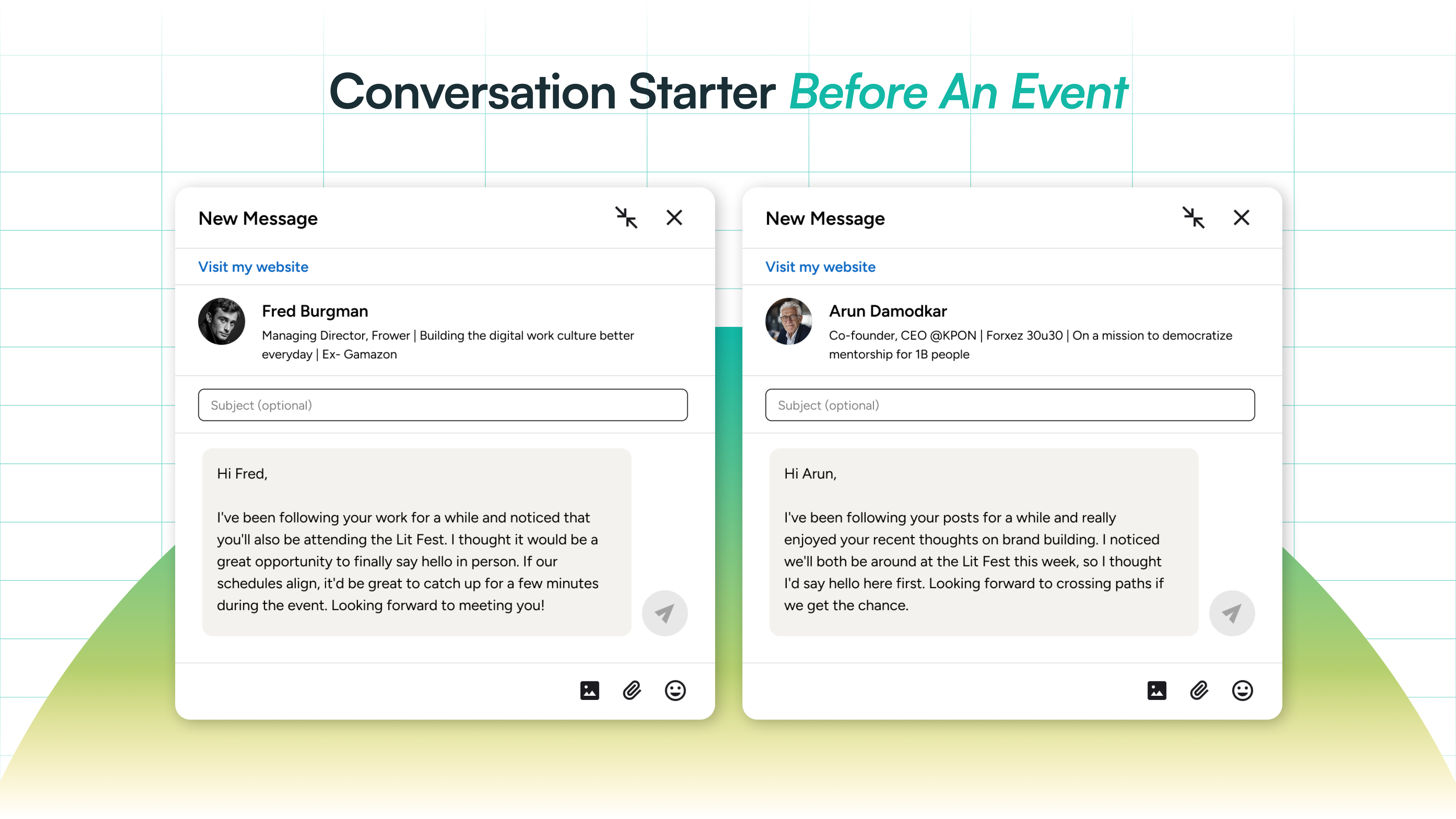
When to Start Preparing for the Event
If you're trying to build genuine familiarity, connecting with everyone a week before the event isn't enough. The process has to be slow and intentional.
Build relationships over time by engaging with their content, following their work, and interacting naturally. By the time you meet in person, you'll already feel familiar with each other, making the conversation much more natural.
LinkedIn usually delivers compounding results over time. But this is one strategy where you can see immediate, tangible impact. Prepare well, and you'll feel the difference the moment you walk into the event.
Executive Spotlight
Dr. Gitika Verma is a senior endodontist, ultramarathoner, and writer who explores the intersection of healthcare, gender, culture, and human behavior.
Drawing from her experience in public healthcare, she uses LinkedIn to spark thoughtful conversations on societal norms and everyday realities.
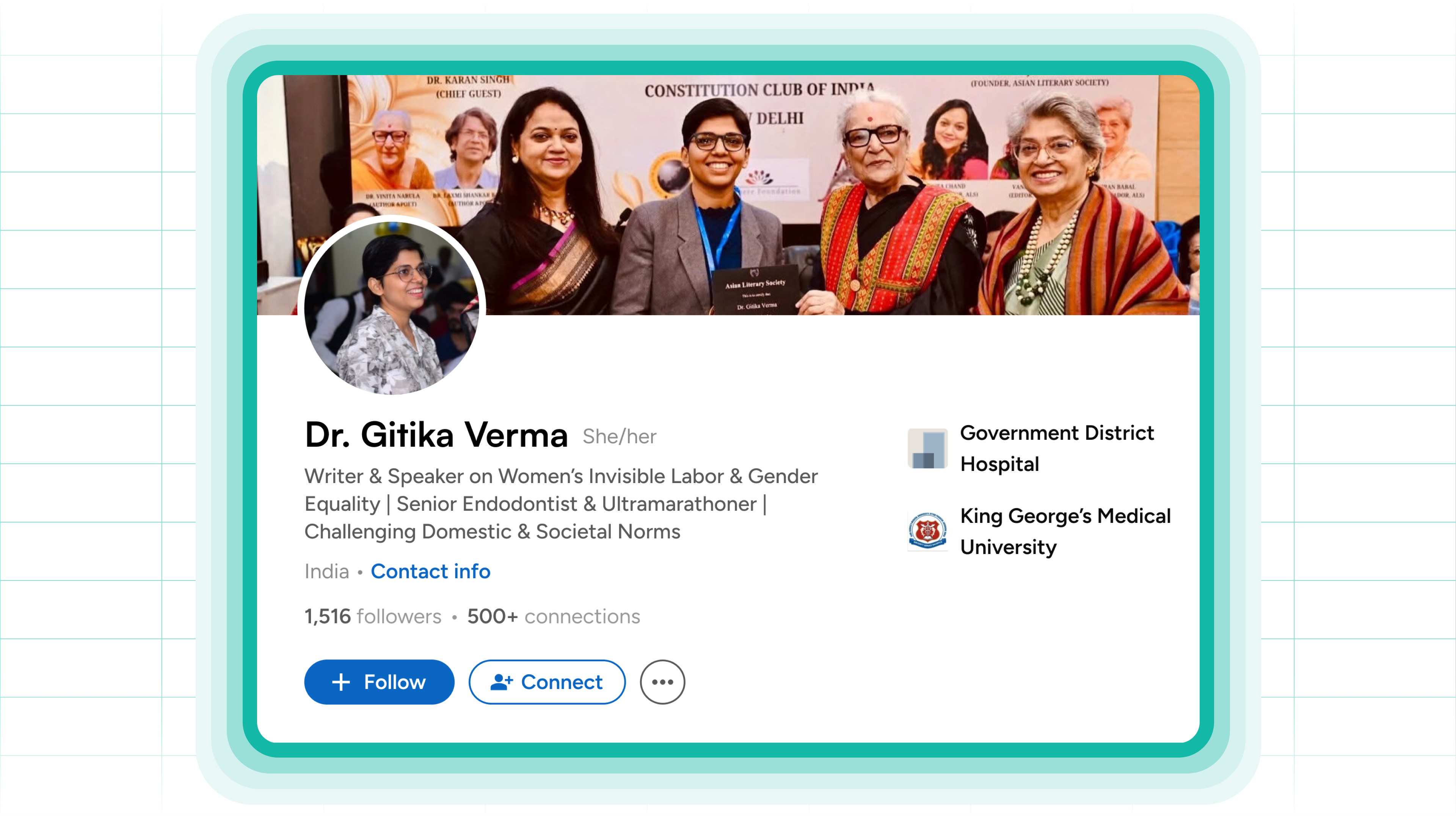
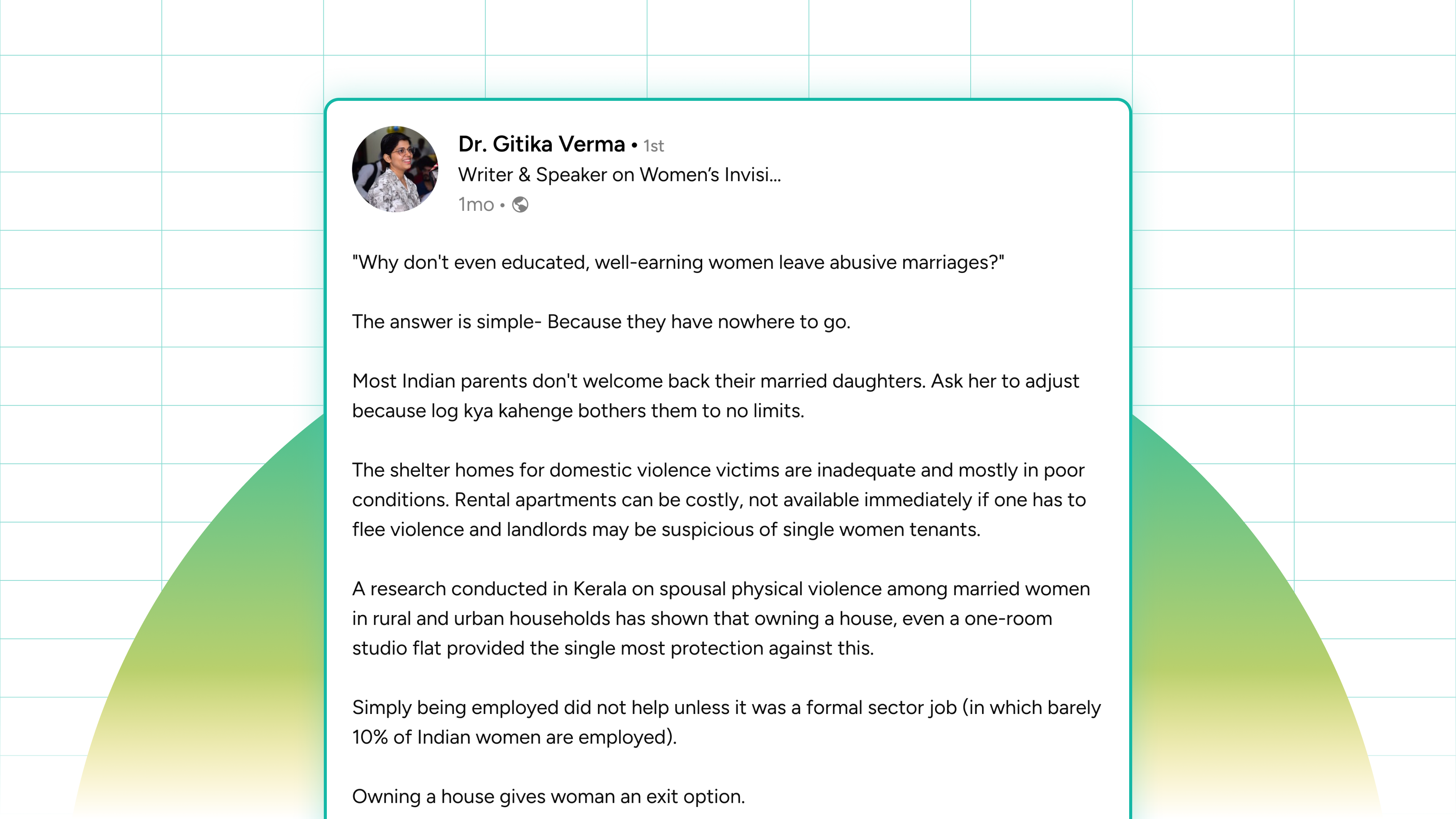
In one post, she argues that a house in a woman's name can offer more protection than financial independence alone, supporting her perspective with research rather than opinion. Dr. Gitika's profile is a strong example of using professional credibility to lead meaningful conversations that extend far beyond one's immediate field.
Resource of the Week
Miro is an online collaborative whiteboard that helps you map workflows, build mind maps, run workshops, and visualize projects, all on a single infinite canvas.
It's useful for strategy sessions, content planning, and turning scattered ideas into structured action.