
Are Your LinkedIn Numbers Actually Helping You?

What You’ll Learn in this Issue
- Treat impressions, engagement, and follower growth as signals of progress, not the end goal.
- Prioritize relevant connections and visibility among people aligned with your work and ambitions.
- Look beyond analytics for signs of impact, such as recognition, trust, conversations, and real opportunities.
We live in a world that is very good at giving us small hits of satisfaction.
Whether it’s food trends, online shopping habits, or the endless pull of short-form content, we often mistake instant gratification for long-term value. LinkedIn is no different.
More impressions, more followers, more connections, more comments. Numbers make us feel good, so it’s easy to feel satisfied when they go up. But do those numbers actually create opportunities, strengthen your reputation, or help the business in a meaningful way?
In this issue of North Star, let’s look at some LinkedIn activities that feel like progress but may actually be distractions from long-term growth.
The Distractions
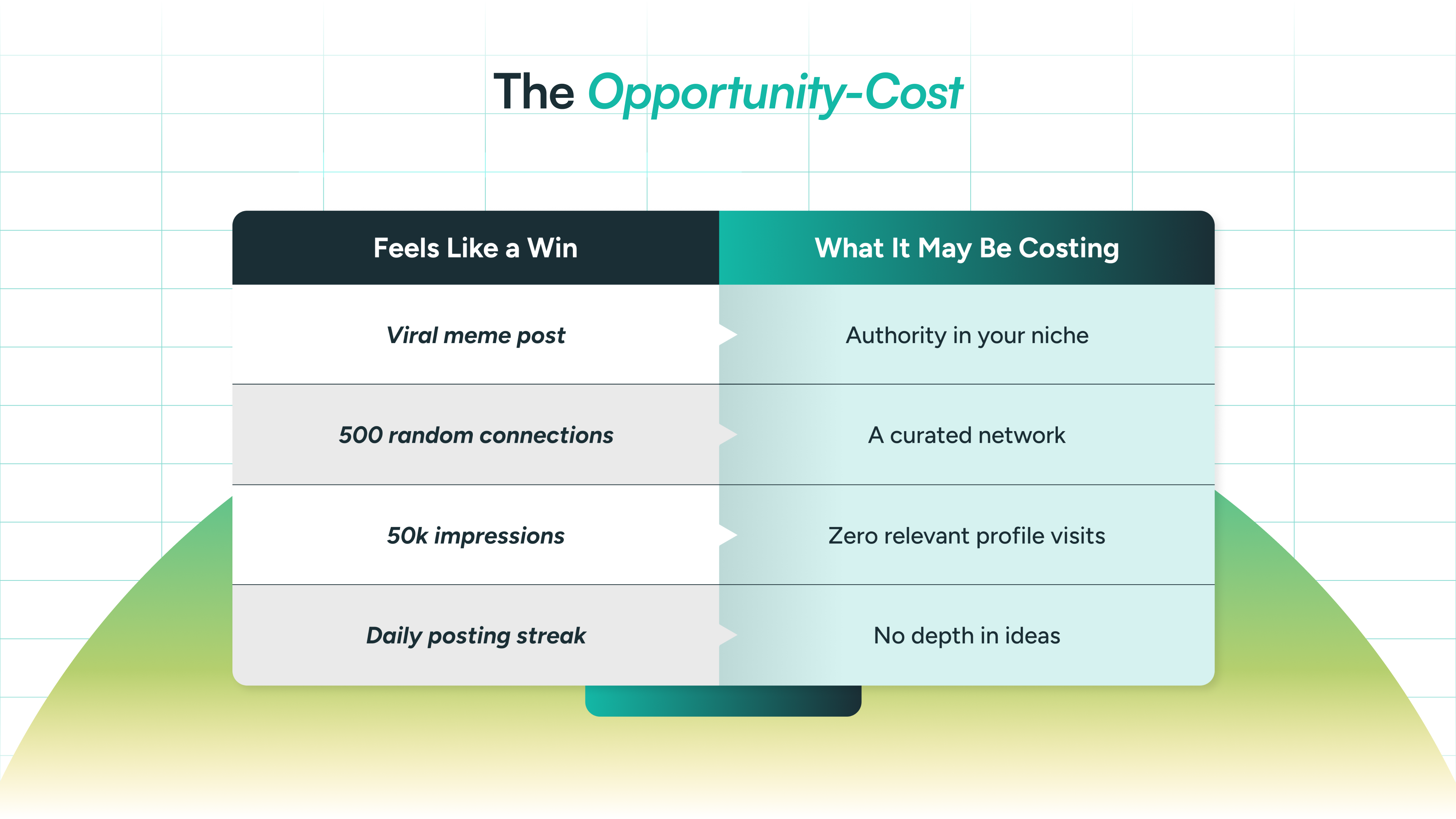
High impressions, engagement, and follower counts are worth being happy about. The problem begins when those numbers become the goal rather than a signal of something more meaningful.
Ideally, they should be the byproduct of building a presence that reaches the right people and gives them a reason to remember, trust, or engage with you.
Common distractions include:
• Spending time connecting left, right, and center to grow your network
• Being highly active by engaging with profiles that have little relevance to your work
• Chasing visibility that has little connection to your actual work or audience
The Signals That Matter
If the goal is to build a reputation over the long term, relevance and quality become much more useful measures of progress.
Ask yourself:
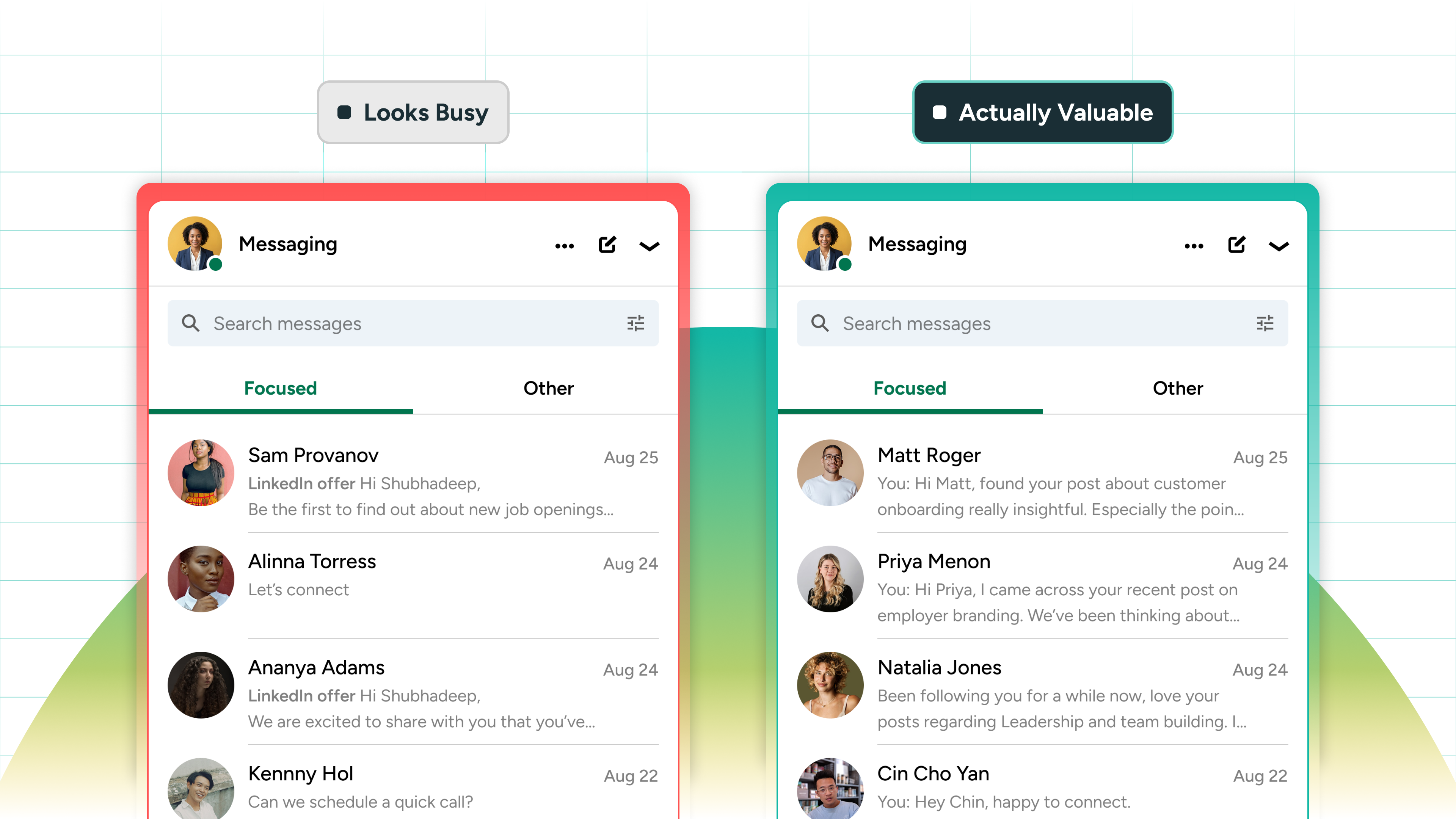
• Is my network relevant to the work I do?
• Are these connections aligned with the way I work and the kind of opportunities I want?
• Does my profile reflect and amplify my professional growth?
• Are people bringing up my content or profile in real conversations, meetings, or opportunities?
• Am I attracting the kind of audience I would genuinely want to work with?
These signals are harder to capture on an analytics dashboard. They also tend to develop more slowly, but they are usually much more valuable in the long run.
The Balance
None of this means numbers do not matter.
Impressions tell you whether your ideas are traveling. Engagement can indicate whether they are resonating. Follower growth can show that more people want to continue hearing from you.
What matters is whether those numbers are accompanied by the things that build long-term social capital like relevant relationships, trust, credibility, recognition in your industry, and opportunities that continue to compound over time.
Executive Spotlight
Manoj Deb is the founder of Venacava Designs and brings over 25 years of experience in branding, advertising, and design.
What makes his LinkedIn presence stand out is that he goes beyond talking about logos and design work. His posts are often about how creative teams work, why ownership matters, and the habits that lead to better work.
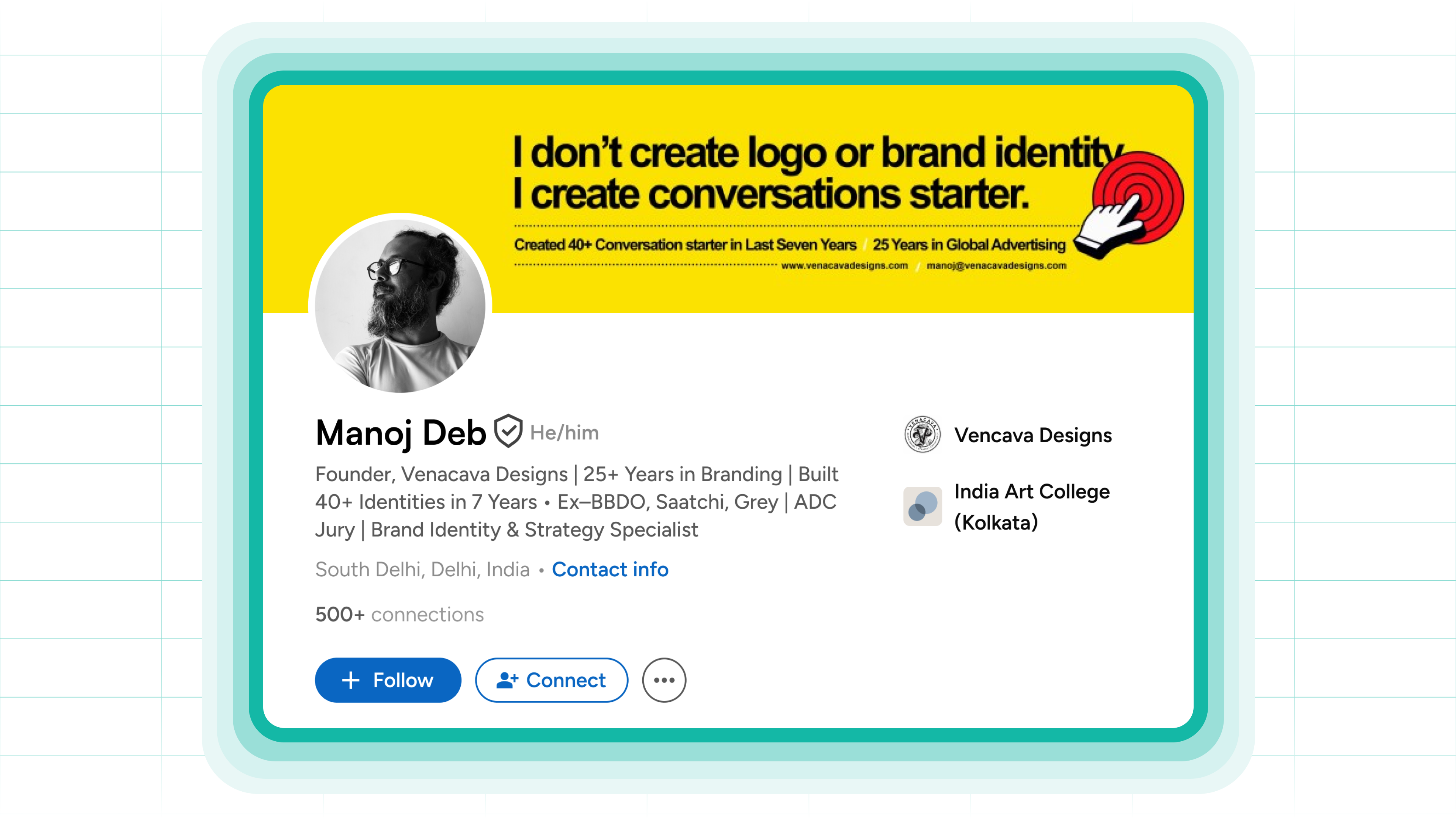
In one post, he reflects on a 27-year-old Saatchi & Saatchi ID card, using it to show how early mentors, agency culture, and years of learning still influence the way he approaches branding today. His profile is a good example of how experienced professionals can use LinkedIn to share practical lessons from their career, not just showcase their work.

Resource of the Week
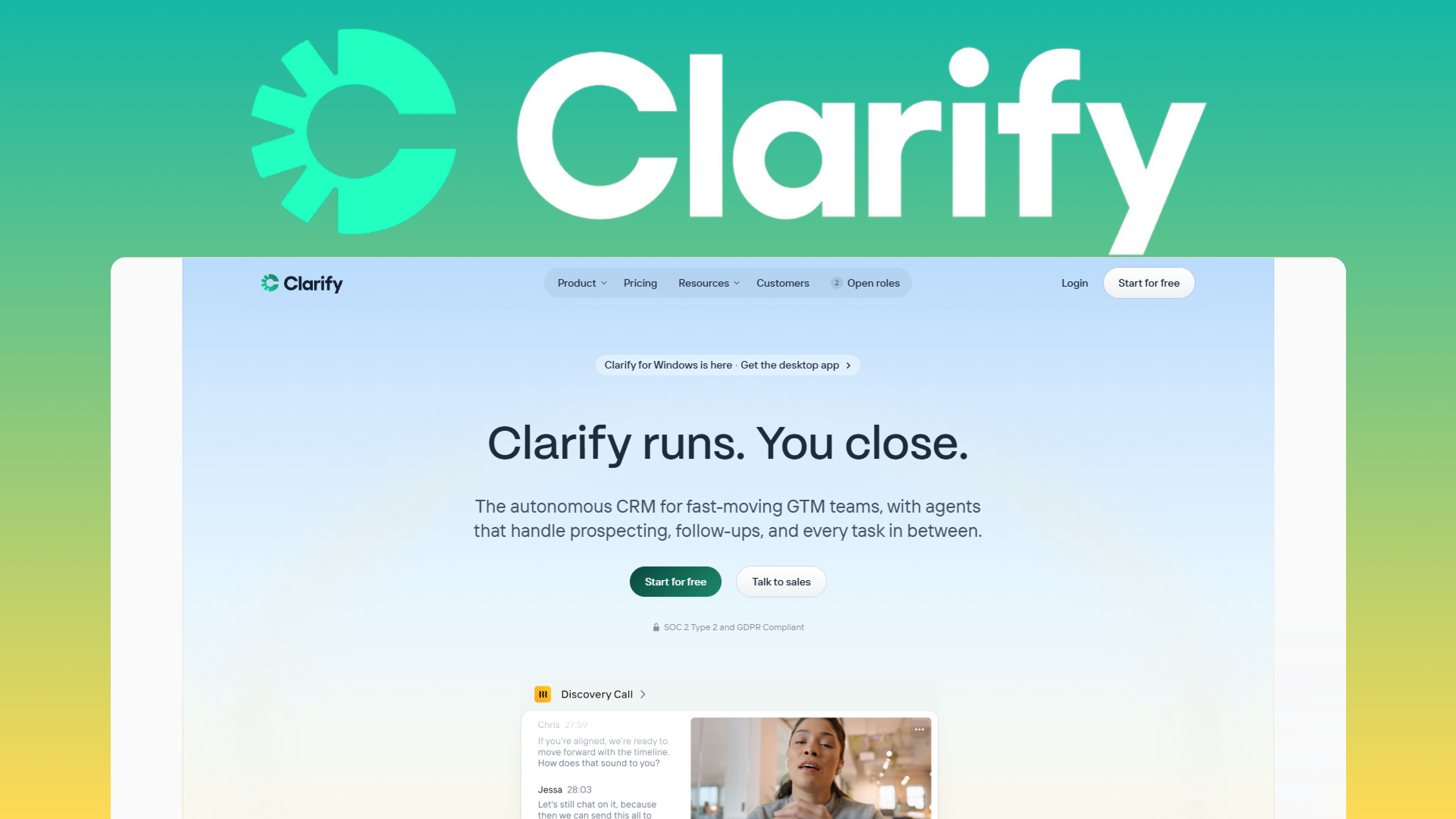
Clarify is a CRM tool that automatically captures customer conversations and updates contact records, reducing the need for manual data entry.
It gives teams a cleaner view of interactions across email, meetings, and other touchpoints, making it easier to focus on building relationships instead of maintaining spreadsheets and CRM fields.
It is especially useful for sales and client-facing teams that have frequent conversations to track. If you regularly update CRM records after calls or meetings, Clarify can take that work off your plate.
Coming Up Next…
Sometimes, even useful posts can work against your brand. In next week’s issue of North Star, we’ll look at the difference between posts that are useful and authoritative and those that are insightful and memorable.
Till then, what feels good isn’t always what works.


