LinkedIn Is Closing the Door on Third-Party Prospecting Too

What You’ll Learn in this Issue
- Restricted access to Sales Navigator data could make some automated prospecting workflows less dependable and push sales-tech tools toward other data sources and integrations.
- As more prospect research happens directly on LinkedIn, an optimized profile and relevant expertise can improve an executive’s chances of being found by the right people.
- Executive branding therefore serves two purposes: establishing credibility when someone looks you up and making you more discoverable before they know to look for you.
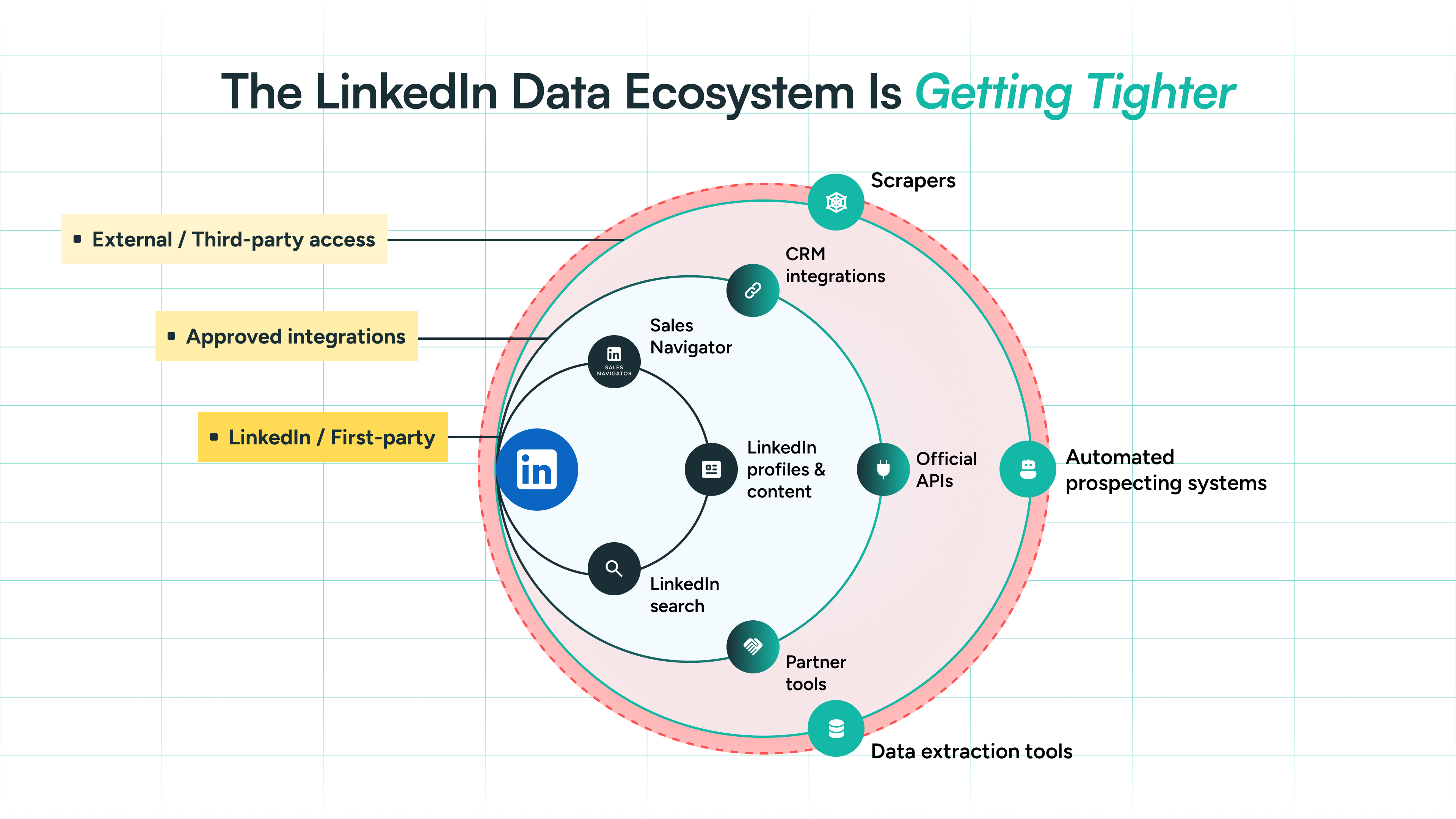
LinkedIn has long restricted how third-party systems can interact with its platform, including how they access and use data from Sales Navigator.
What appears to be changing is how actively those restrictions are now being enforced, with more accounts and tools facing limitations.
This means different things for different parts of the industry. While it could affect how third-party tools operate and sustain themselves, what we care about is how this increasingly controlled LinkedIn ecosystem affects the brands executives are building on the platform.
In this issue of North Star, let’s explore what this transition could mean.
The Cost of Less Access
LinkedIn is becoming more protective of its data, making it harder for third-party tools to access or extract information from Sales Navigator freely.
It could also restructure the sales-tech ecosystem. As LinkedIn restricts third-party access to its data, tools may need to rely more on their own datasets, APIs, CRM integrations, or alternative ways of discovering prospects.
And perhaps most importantly, it reinforces that LinkedIn is not just a social network. It is a massive professional data platform, one that sales teams increasingly rely on to discover, understand, and engage with prospects.
Less Automation, More Discoverability
As automated prospecting workflows become harder to rely on, the human layer of LinkedIn becomes more important.
Your LinkedIn profile is no longer just a destination someone lands on after an automated search. It can become part of the sales infrastructure itself.
LinkedIn itself notes that having a complete profile and relevant skills can improve your likelihood of being found in search.
When sales teams have to do more of the finding and researching themselves, being discoverable and memorable matters more.
This has an important implication for executive LinkedIn branding.
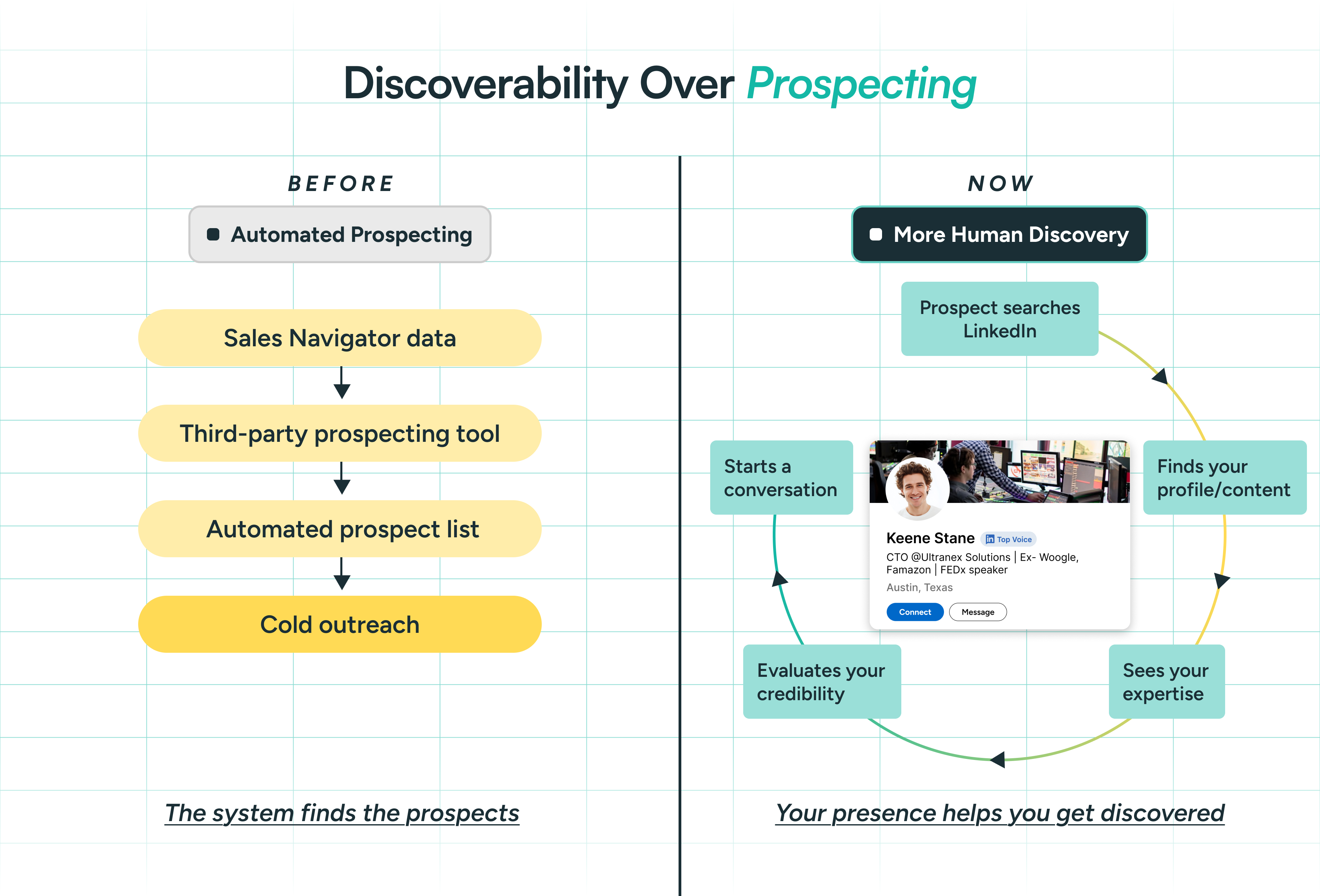
The goal is to build a profile and body of content that not only passes the credibility test when someone looks you up, but also increases your chances of being surfaced when the right prospects are searching for people like you.
Less automation in prospecting could mean more value in being genuinely worth discovering.
Executive Spotlight
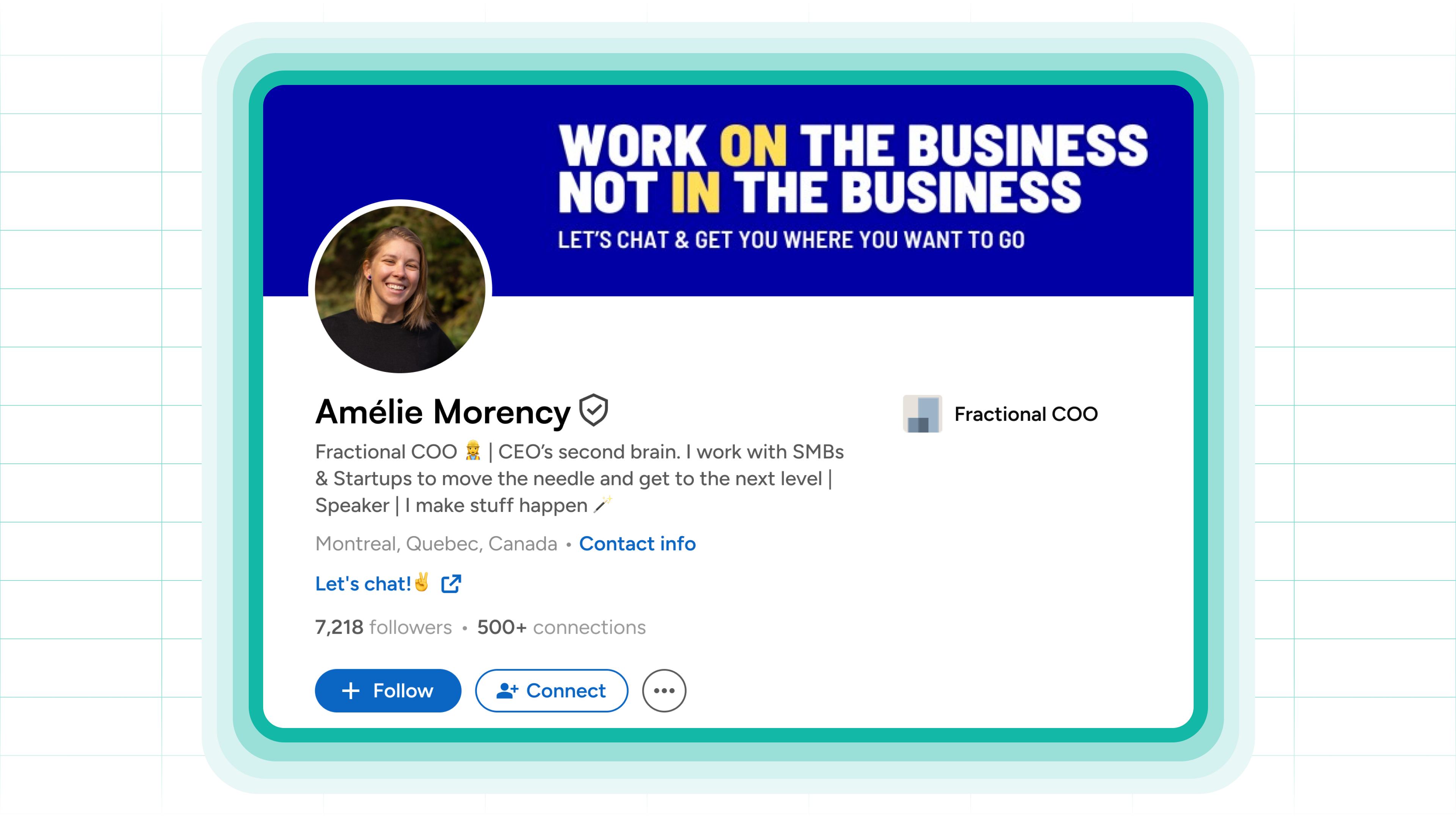
Amélie Morency is a Fractional COO helping founders and CEOs fix operational inefficiencies, build better systems, and scale without burning out their teams.
What makes her LinkedIn presence different is how she documents the realities of building, from experiments and failures to ideas she is actively working through.
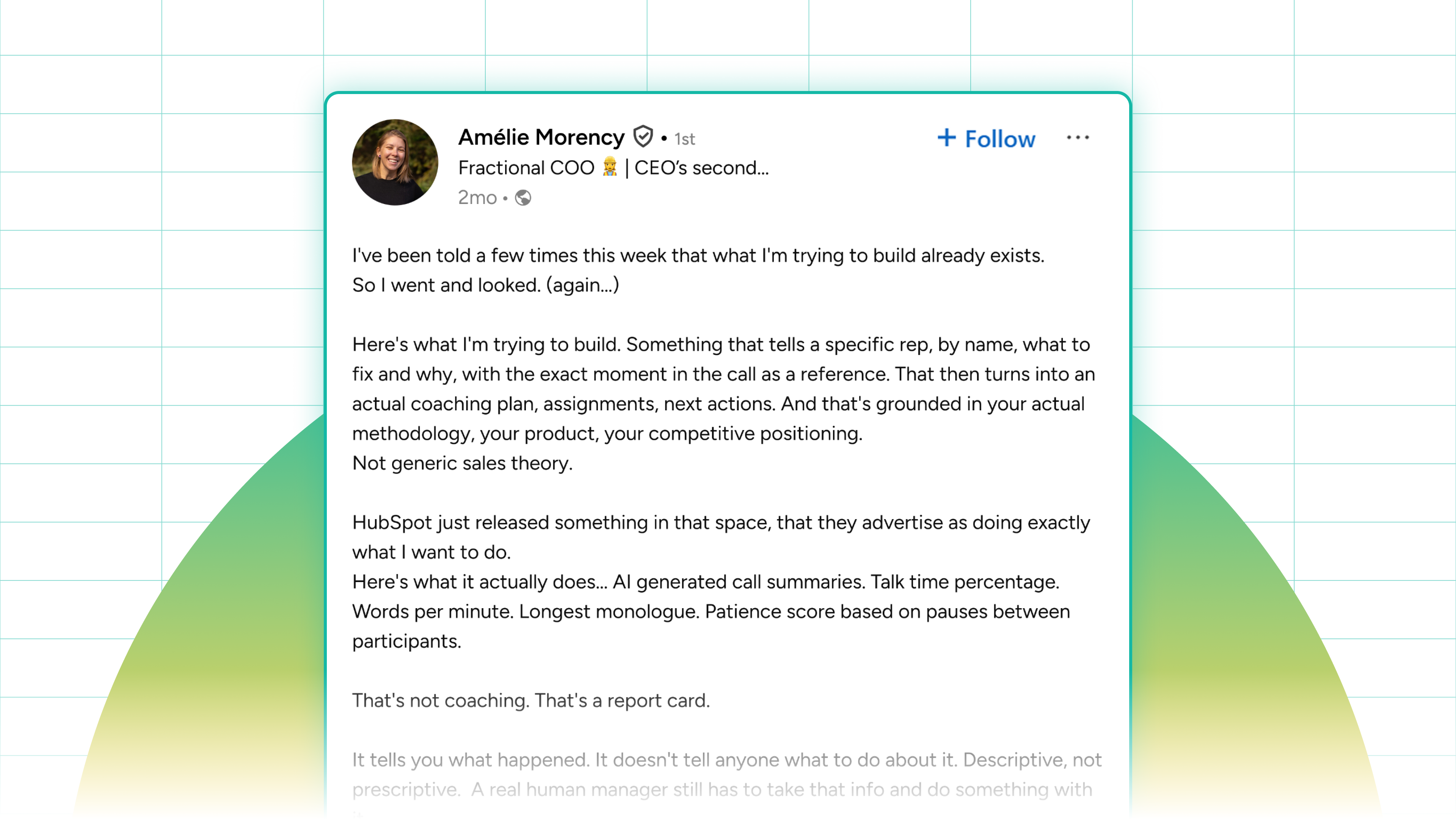
In one post, she examines whether a sales coaching product she wants to build already exists, comparing HubSpot and Gong before asking her network if the gap is real. It turns a business idea into an open conversation.
Resource of the Week
Howard H. Stevenson breaks success into four dimensions as achievement, significance, happiness, and legacy in his lecture Building a Life at Harvard Business School. It’s a helpful framework for anyone thinking beyond milestones and defining what success actually means to them.