Can AI Replace a LinkedIn Marketing Agency?

What You’ll Learn in this Issue
- AI can package ideas well, but the experience, judgment, and perspective still need to come from the executive.
- Agencies become replaceable when their value is limited to turning topics into polished posts.
- The harder work is extracting distinctive ideas, understanding positioning, and translating executive thinking into content that genuinely sounds like them.
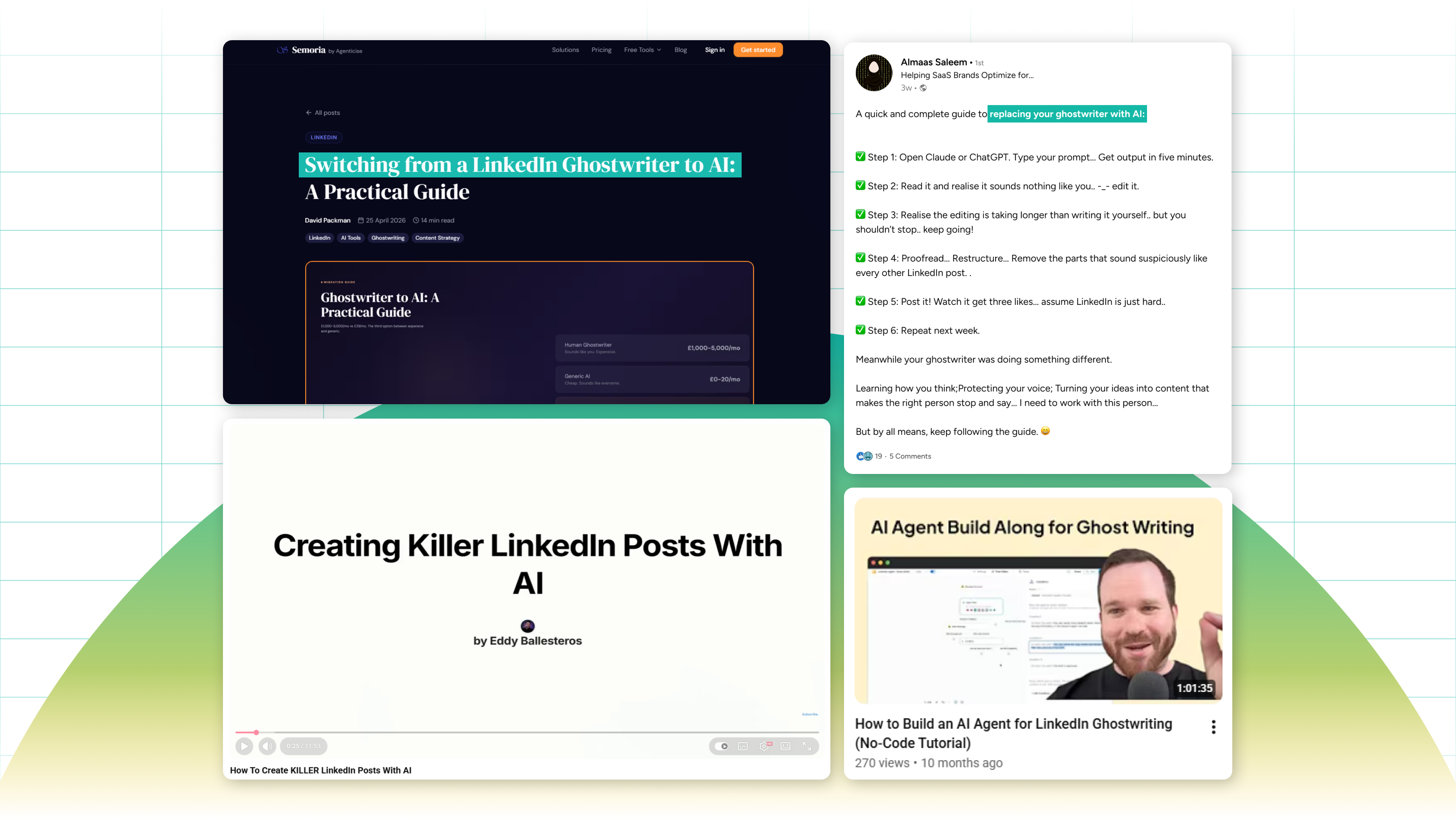
Open LinkedIn today, you'll likely come across plenty of advice on how to replace an agency with AI.
To an extent, it sounds practical. Give AI examples of successful creators, feed it information about yourself and your industry, ask it to reproduce a certain style, and you can have LinkedIn content at a fraction of the cost.
And for some people, that may be enough.
But it also raises an important question for agencies themselves: if writing posts is becoming increasingly easy to automate, what should a LinkedIn marketing agency actually be responsible for?
In this issue of North Star, we look at what AI is already making easier and where the harder work of building an executive presence on LinkedIn still lies.
What People Follow Executives For
Good LinkedIn content isn't just about using the right words in the right format at the right time.
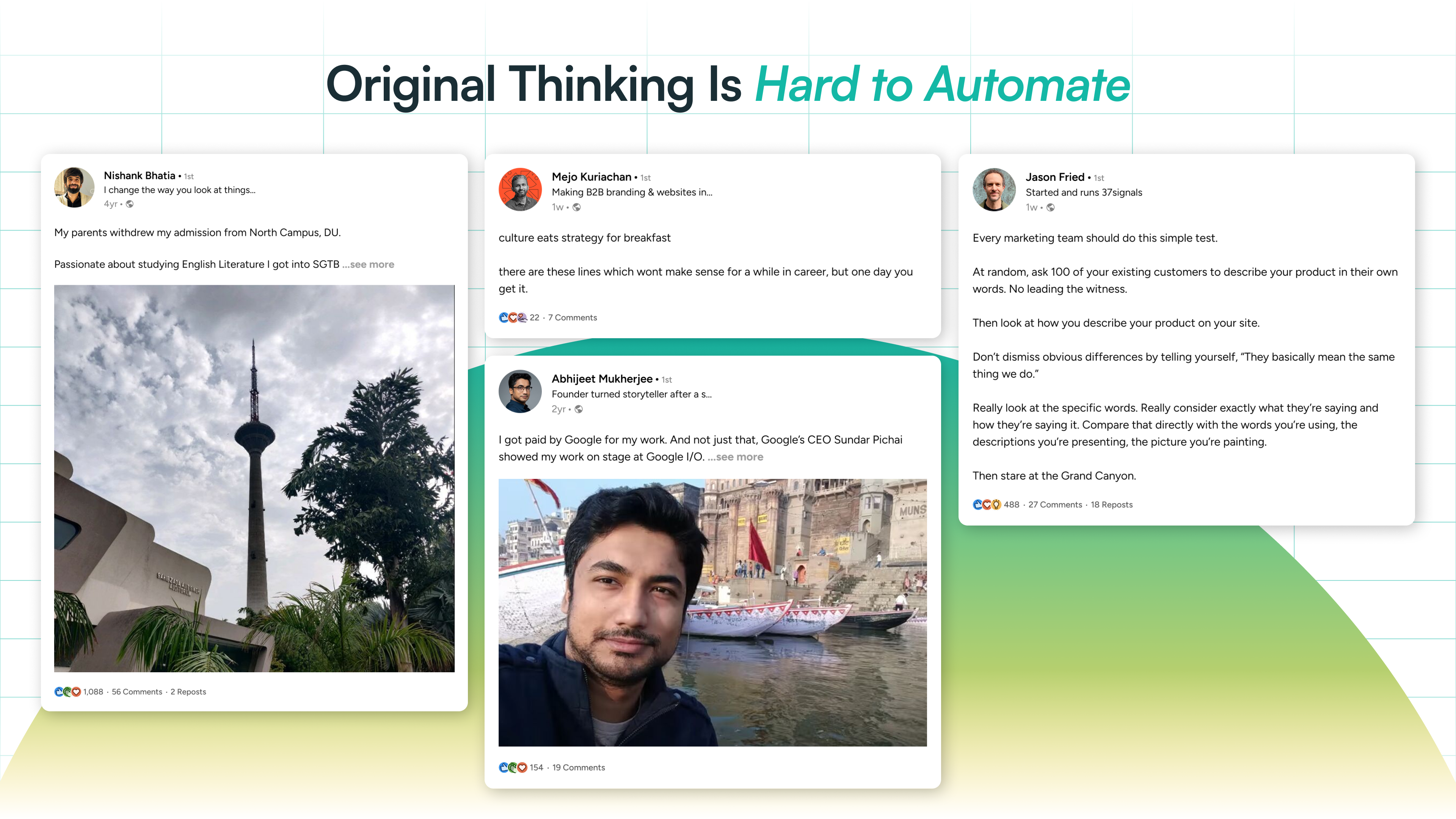
The executives worth following usually give you access to something more interesting: how they think.
You learn how they approach problems, make decisions, interpret changes in their industry and develop perspectives through years of experience.
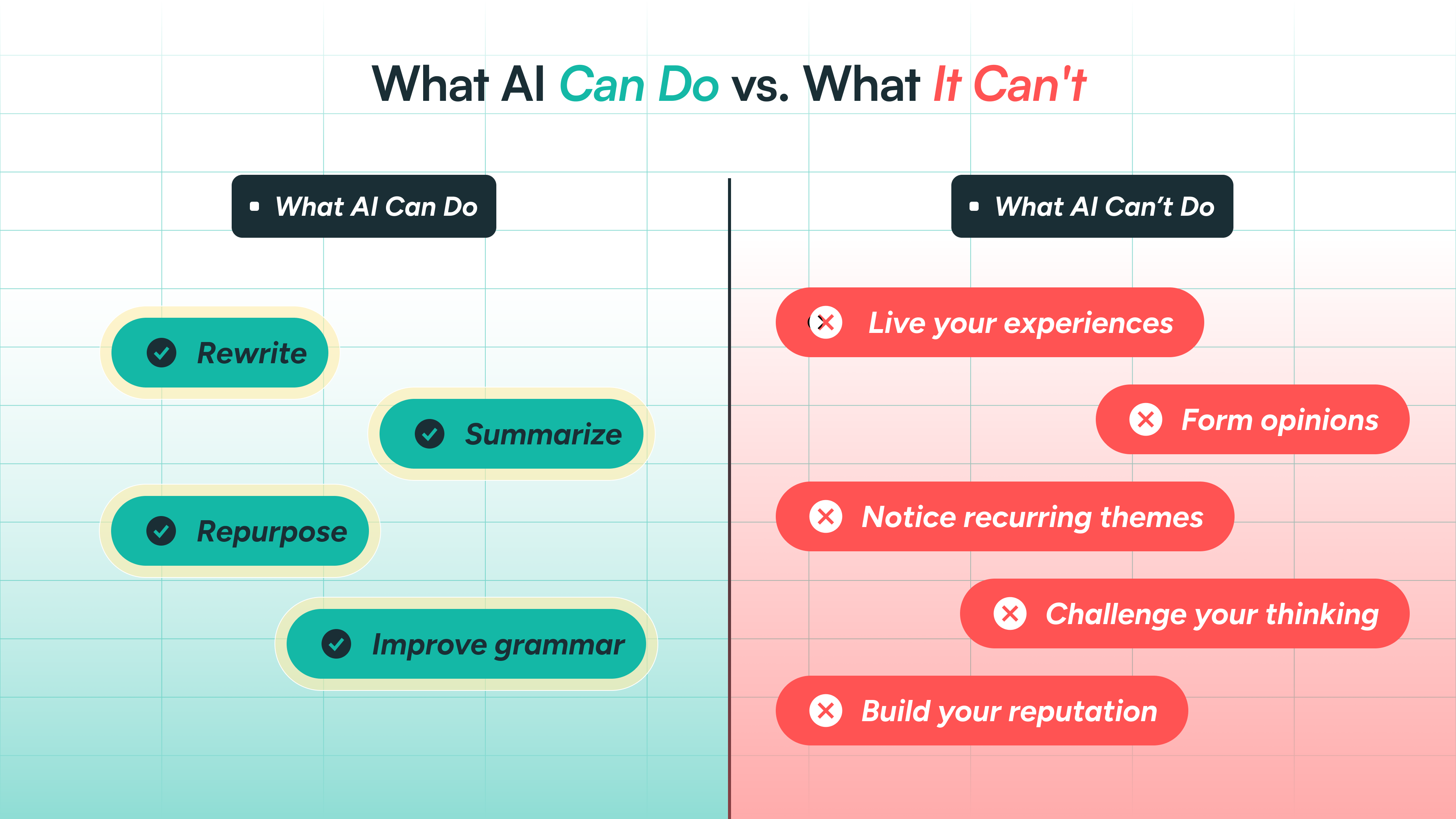
AI can certainly help write and package ideas. It can structure them, improve the writing, suggest hooks and find different ways to communicate the same thought.
But before any of that happens, there needs to be an original thought worth communicating. AI can help articulate it, but the lived experiences, judgment, and point of view that make an executive worth following have to come from the executive.
When LinkedIn Agencies Can Be Replaced
If an agency's primary job is taking a few topics and returning a batch of reasonably polished LinkedIn posts, it can probably be replaced by AI.
The harder work happens around the writing: understanding what an executive wants to be known for, asking questions that uncover genuine stories and ideas, recognizing which experiences contain an interesting perspective, understanding the audience and continuously learning from what works.
The post is simply the final output of that process. No amount of AI prompting or training can capture that level of understanding on its own.
How Executive Thinking Is Preserved
An executive's personality and thinking should be preserved in their words while being supported by the right LinkedIn expertise and industry context.
LinkedIn agencies can build that understanding through continuous input, including:
• Content interviews
• Voice notes
• Draft posts and rough ideas
• Video messages
• Brief notes or thought dumps
• Articles, emails, presentations, and other writing materials
The more original thinking an agency has access to, the better the content can reflect the person behind it.
What Executives Actually Pay For
LinkedIn Marketing agencies don’t get paid for grammar, formatting, or first drafts. AI already handles much of that well.
The real work is drawing out ideas executives may never have thought were worth sharing, identifying perspectives they may not realize are distinctive, and turning those ideas into content.
As long as thought leadership depends on original thinking, there will always be value in those who know how to uncover and communicate it.
That said, AI won't leave LinkedIn agencies unchanged. It will force them to become better at the parts of the job that were never really about writing in the first place.
Executive Spotlight
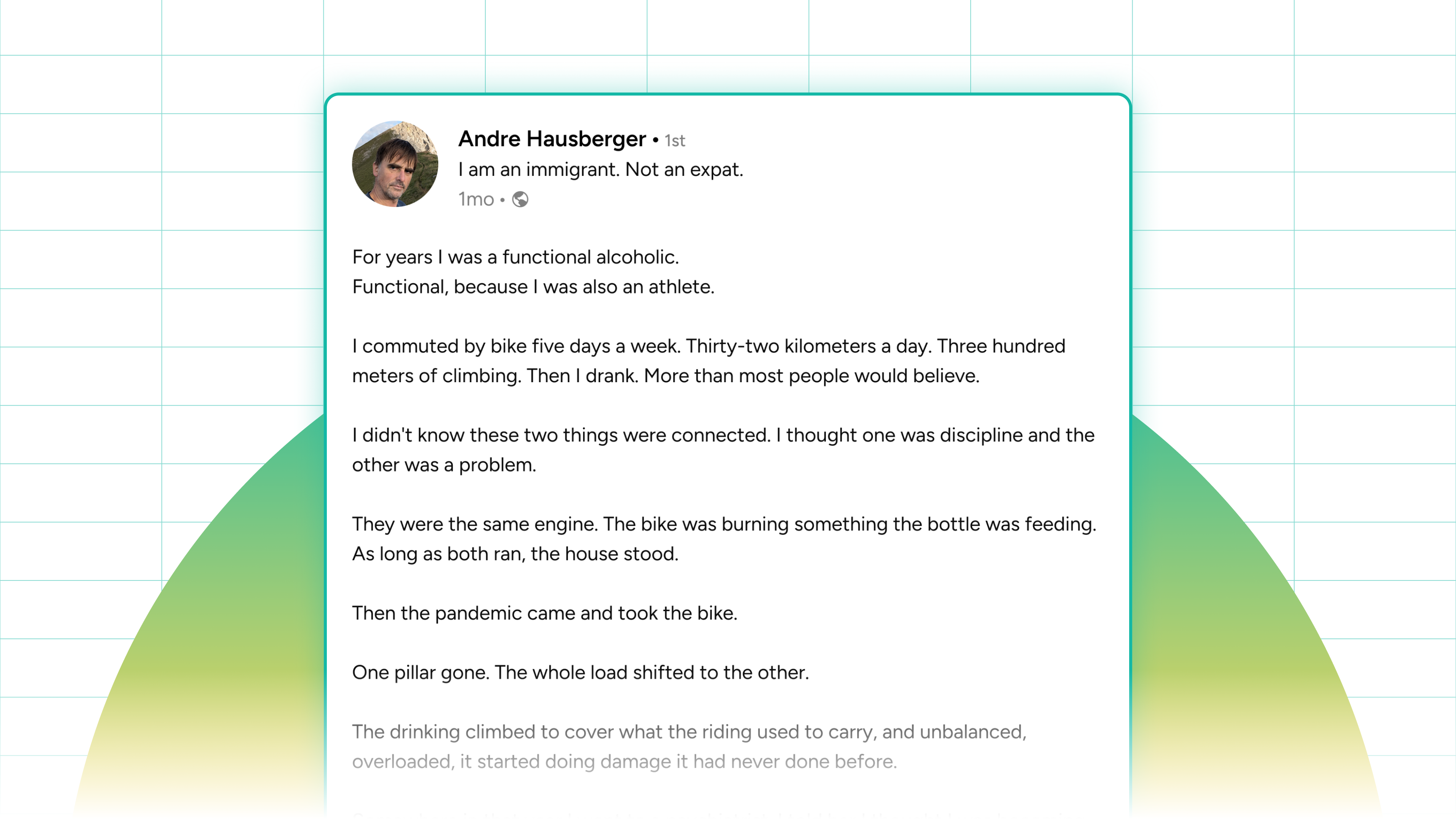
Andre Hausberger spent years helping B2B companies expand into international markets. Yet on LinkedIn, he rarely talks about sales.
Instead, he documents conversations, travel, family, and personal experiences, drawing lessons from everyday life.

In one post, he reflects on his journey from functional alcoholism to sobriety with remarkable honesty. His profile is a reminder that authentic personal branding can also come from documenting life with clarity, vulnerability, and reflection.
Resource of the Week
SavvyCal is a scheduling tool that makes booking meetings simpler and more collaborative.
Instead of endless back-and-forth, recipients can overlay their calendar with yours to quickly find a time that works for both of you.
It's a clean alternative to traditional scheduling links for executives and professionals who regularly book meetings.