
The Musk Method: 10 Branding Lessons for Executives

What You’ll Learn in this Issue
- What Elon Musk’s personal brand teaches about visibility, storytelling, and staying top of mind
- Where to draw the line between authenticity and recklessness in executive communication
- How vision, consistency, and credibility shape a strong and trusted leadership brand
If personal branding had a mascot, it would be Elon Musk.
He’s bold. Unfiltered. Controversial. Visionary.
And whether you admire or avoid him, you can’t ignore him.
That’s the power of branding.
You may not want to make headlines the way Musk does, but there’s still a lot to learn—both good and not-so-good—from how he shows up and stays top of mind.
So, what exactly can you take away from his playbook (without tanking your stock price)?
Let’s break it down into 10 clear branding lessons tailored for executives like you.
1. Be authentic, but never careless
Musk’s candid tweets are famous. Sometimes too famous.
His 2018 “funding secured” tweet? It cost him $40 million in SEC fines.

The takeaway: Authenticity builds trust.
But as an executive, your words carry weight. A “just being real” moment can turn into a costly PR fire.
2. Lead with vision, not just updates
People don’t follow Musk because he runs big companies.
They follow him because he makes them believe in a future they haven’t imagined yet.
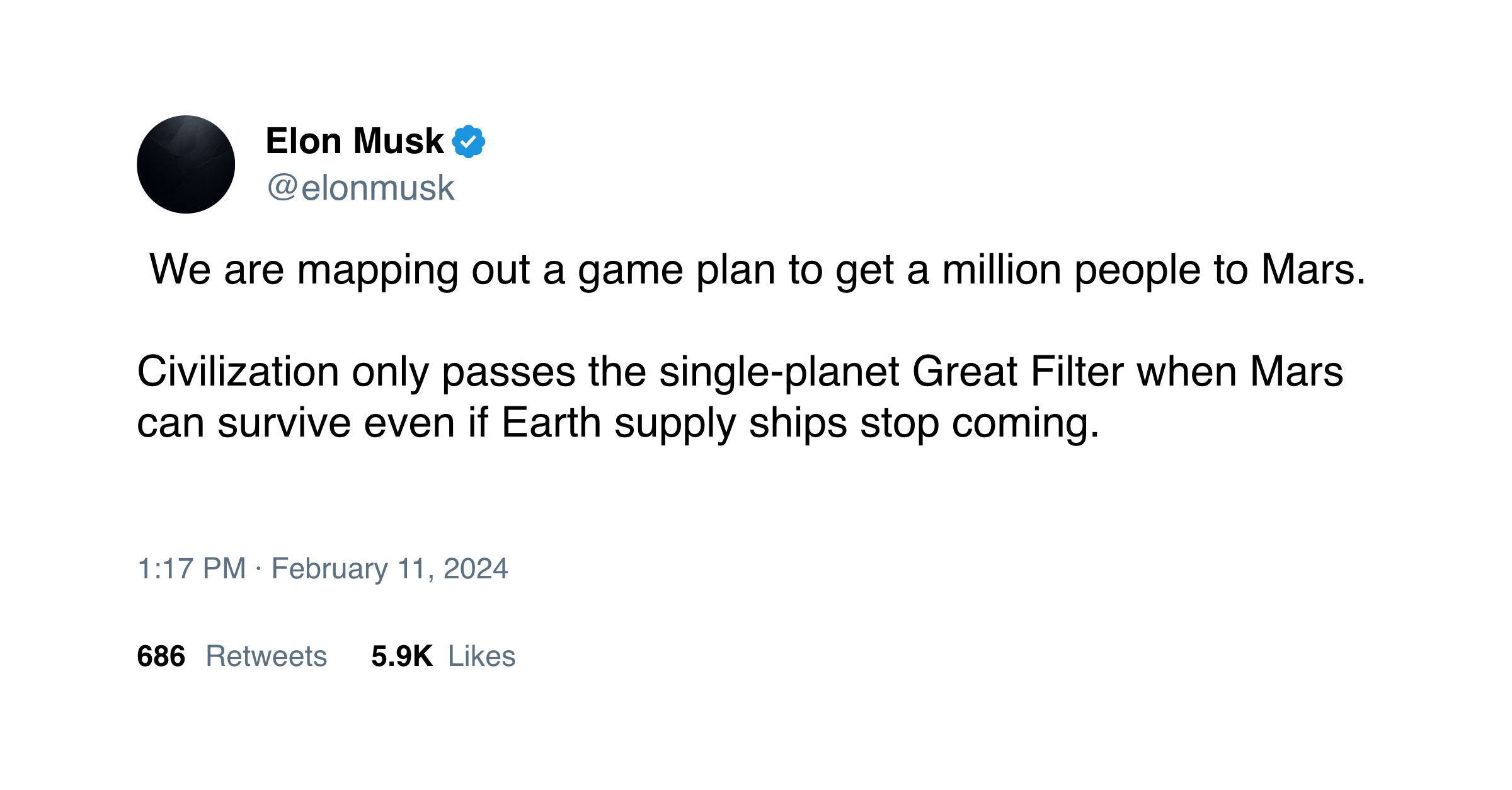
The takeaway: A strong brand is built on a strong point of view.
Don’t just talk about what you’re doing now—share where you’re headed and why it matters.
3. Be relatable, not reactive
Musk replies to followers. Shares memes. Cracks jokes.
It makes him accessible—until it doesn’t.
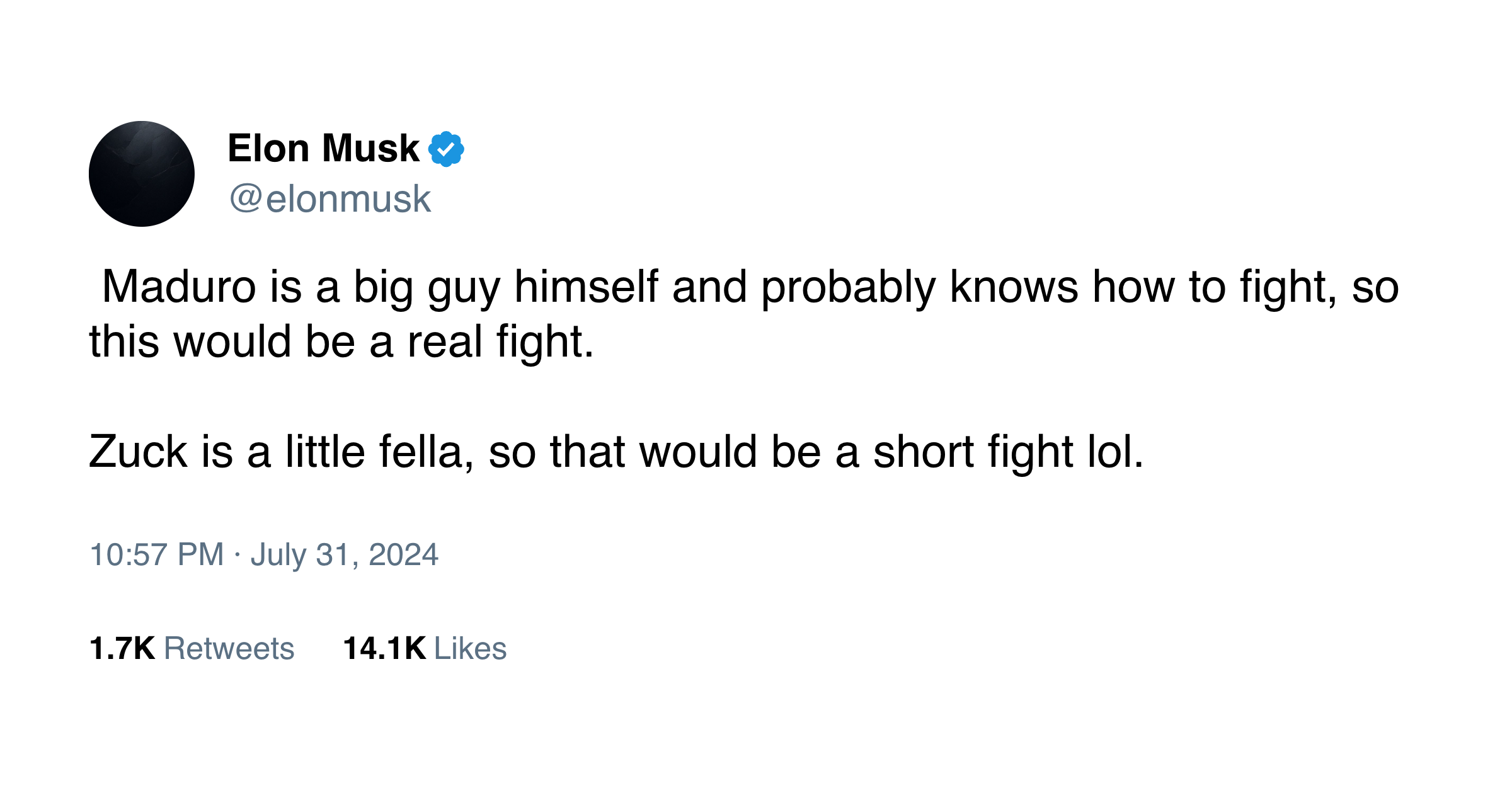
The takeaway: The backlash from impulsive replies is real.
You don’t need a PR team guarding every word, but you do need boundaries.
4. Use social media, don’t let it use you
Musk’s tweets can move markets.
In 2020, one post wiped $14B off Tesla’s valuation in hours.

The takeaway: LinkedIn or X isn’t just another channel.
It’s where you show how you think, lead, and show up.
5. Tell stories that stick
Musk doesn’t just build rockets. He paints pictures of starships heading for Mars.
“If you can just imagine all of these starships waiting in orbit for the planets to align and then this gigantic Starfleet taking off for Mars... So it’s real. We’re actually going to do this. We’re going to take humanity to Mars. And I’m confident you can do it.”
– Elon Musk
The takeaway: Complexity doesn’t earn attention. Simplicity does.
Use stories to connect big ideas to easy meaning.
6. Resilience is your credibility
Every rocket failure. Every Tesla setback. Every critic.
Musk bounces back—not by ignoring failure, but by owning it.

The takeaway: Mistakes won’t break your brand.
Your response will.
7. Stay confident, but keep your ego in check
Musk once promised full self-driving Teslas “within months.”
That was in 2014. It took years after that to release.
The takeaway: Overpromising may sound bold.
But underdelivering breaks trust.
8. Culture is part of your brand
Tesla’s culture has made headlines—and not the good kind.
Including reports of long hours, burnout, and serious allegations.

The takeaway: How your team feels reflects how you lead.
And that reflects on your brand too.
9. Control your narrative, or someone else will
Musk often bypasses the press and speaks directly to the public on X.
It gives him control, but also full accountability when things go wrong.
The takeaway: Take ownership of your story.
Shape it intentionally across platforms.
10. Be bold, but grounded
Musk doesn’t play it safe. That’s part of his charm.
But boldness without a backup plan? That’s just reckless.

The takeaway: Courage is good. Credibility is better.
Bold ideas need structure beneath them.
Wrapping it up:
Elon Musk may not be the perfect model for every executive, but his brand presence offers lessons few others can match.
So if you’re leading a company, building a reputation, or preparing for your next big chapter…
Use these takeaways as your personal branding checklist.
Because at the executive level, your personal brand isn’t optional.
It’s your competitive edge.


