
How LinkedIn Can Simplify HR Processes

What You’ll Learn in this Issue
- Identify and connect with promising professionals early, even when you have no immediate hiring needs.
- Use LinkedIn search and candidates’ shared work to discover relevant talent beyond traditional resumes.
- Keep your company page active with stories about your people, culture, and projects to attract candidates before they apply.
LinkedIn can play a valuable role across the hiring process, from building employer visibility to helping hiring teams identify and connect with the right talent.
But its value is much greater when you use it before you urgently need to fill a position.
In this issue of North Star, let’s look at how companies and executives can use LinkedIn to make their hiring efforts more effective.
The Wrong Way
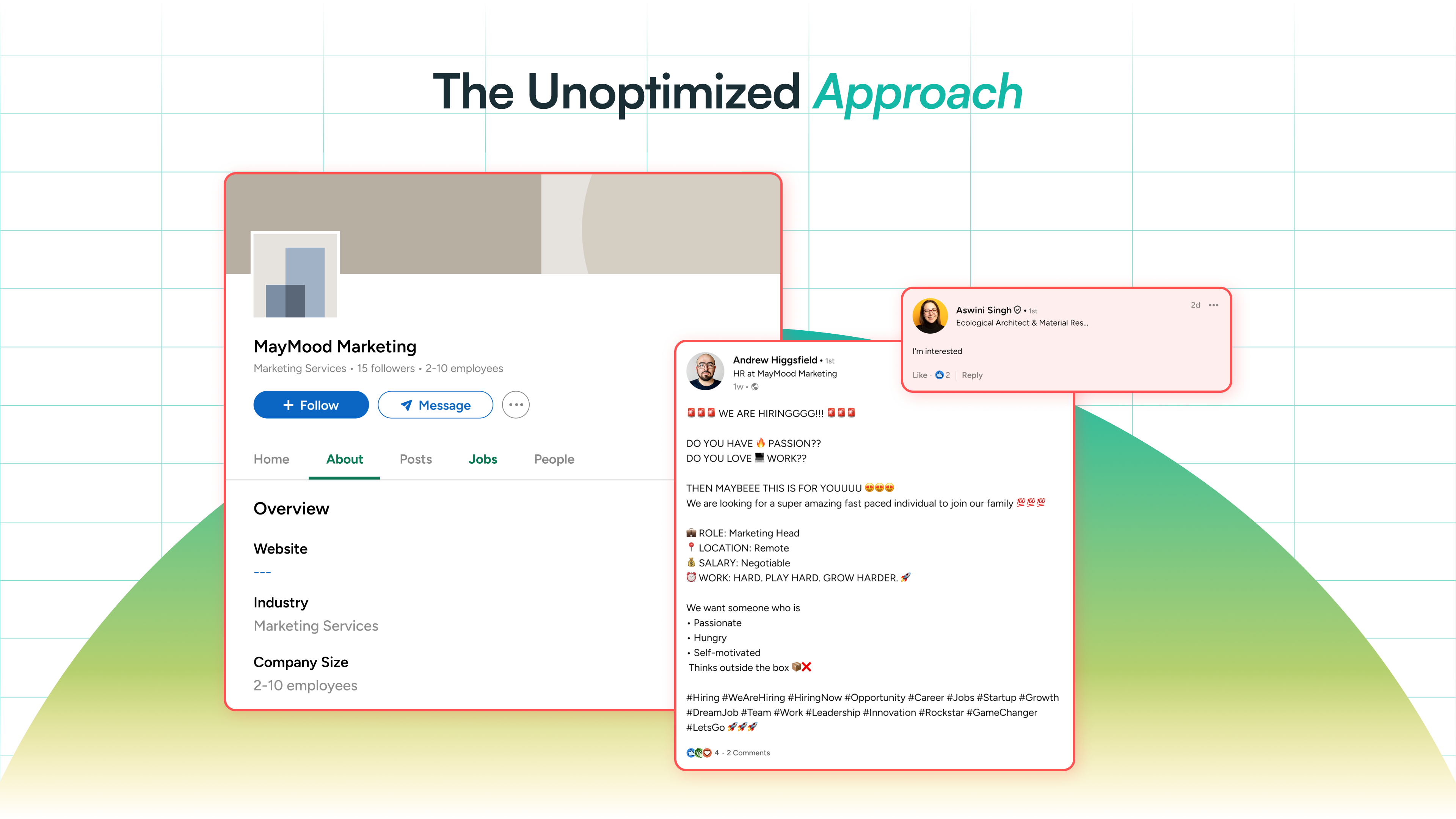
Many companies use LinkedIn only when a role becomes urgent.
Common mistakes include:
→ Posting a job and waiting for applications
→ Sending cold messages to random profiles
→ Judging candidates only by their resume
→ Ignoring people who consistently share good work on LinkedIn
→ Building a network only when there is a hiring need
Look Before You Have a Demand
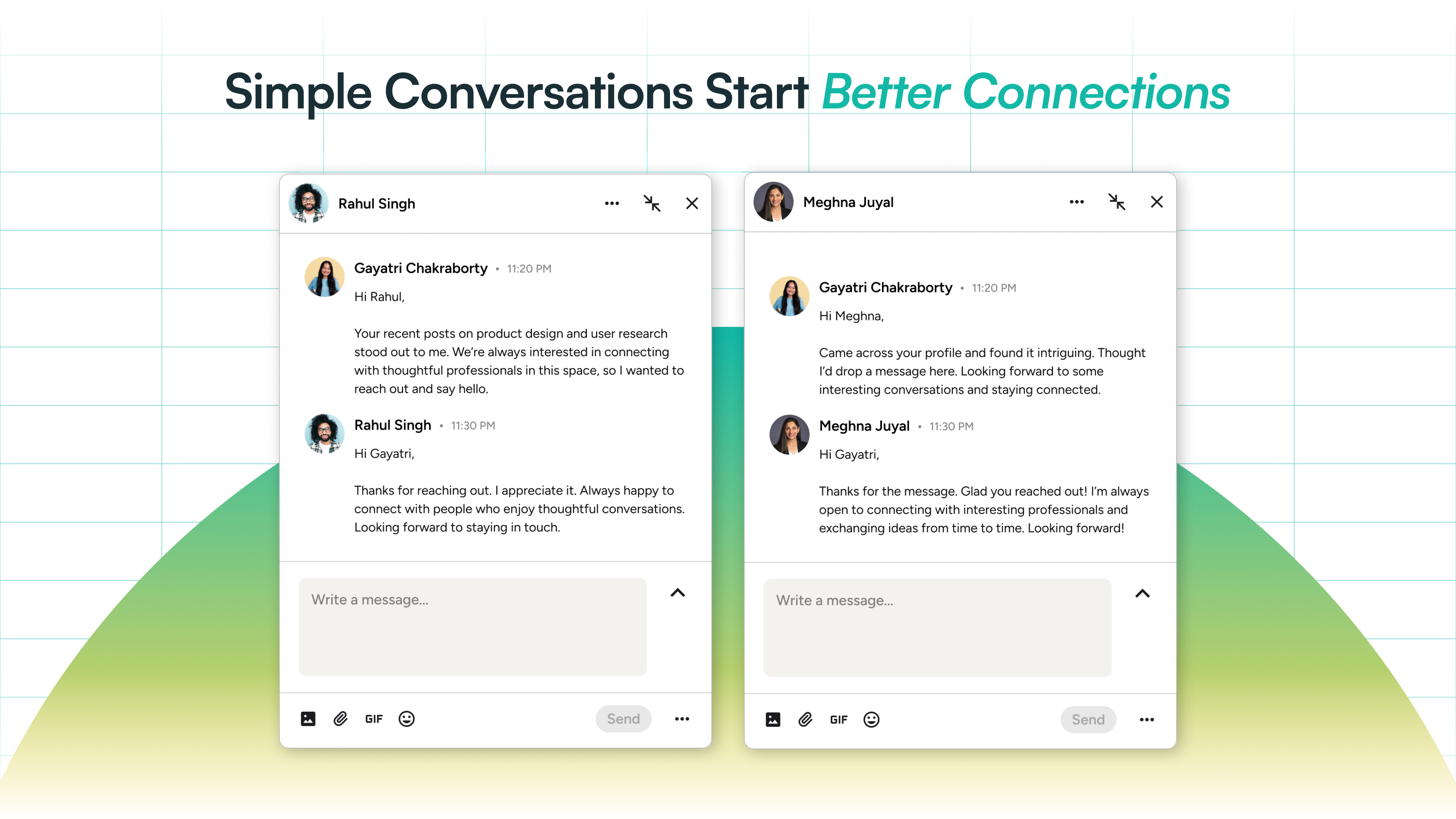
One of your brand's uses on LinkedIn should be to keep an eye on people who align with your company culture, have the right skills, and consistently demonstrate them through their LinkedIn presence.
Send a warm message and stay connected with such candidates even when they are not actively looking for an opportunity.
You can also encourage employees in your company to network with peers and build strong professional connections. Over time, this creates a much wider network of people your company already knows or can reach through trusted referrals.
When the right opportunity arises, you are not starting from a clean slate. You already have potential candidates in your network and stronger referral pathways through your team.
Search for Key Terms
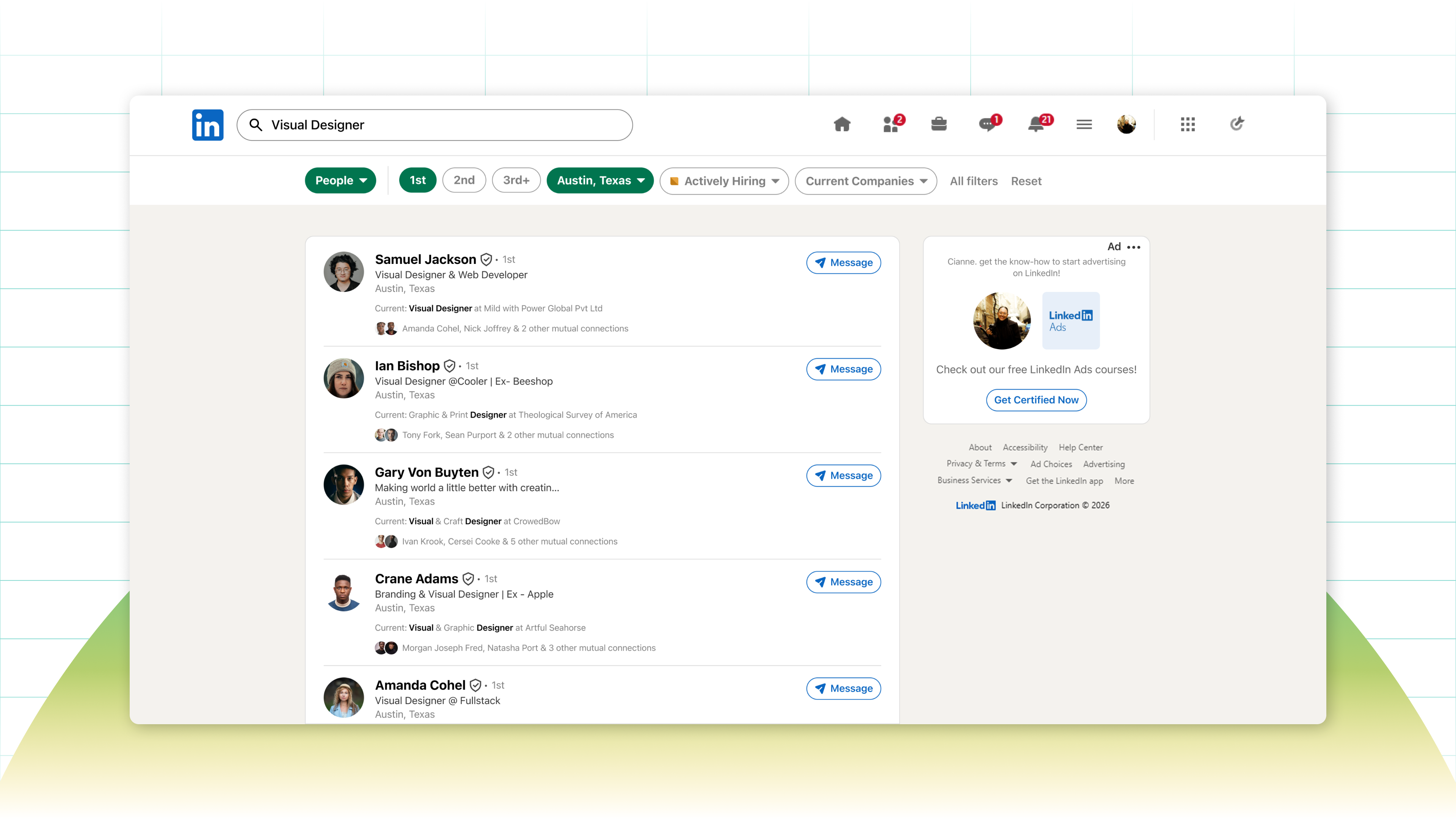
LinkedIn allows you to narrow your search using criteria such as location, industry, skills, experience, and other relevant factors.
Candidates who share their work, ideas, or expertise publicly can give you additional signals about how they think, communicate, and engage with their field.
This does not replace a proper evaluation process, but it can help you identify interesting candidates and make the first stage of hiring more informed.
Company Page
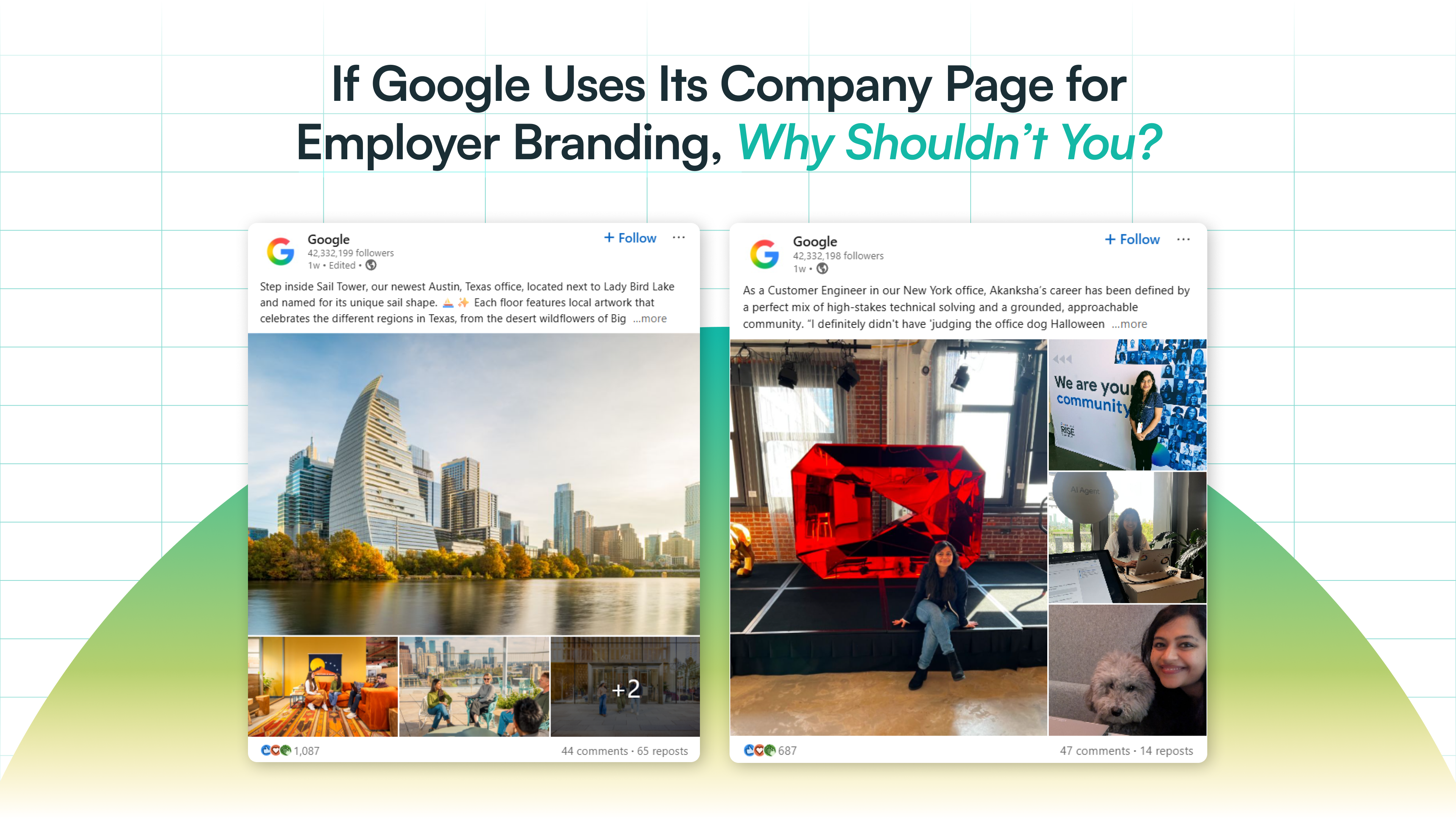
We all know the importance of an executive’s profile, but keeping your company page active matters just as much.
A company page that regularly showcases its culture, team, projects, and the kind of work it does becomes a magnet for attracting the right talent. The best candidates are often evaluating your company long before you evaluate them.
And when we talk about the ROI of LinkedIn branding, it’s also the right candidates discovering you before you discover them, people aspiring to work with your company, and new hires feeling connected to your culture long before their first day.
Executive Spotlight
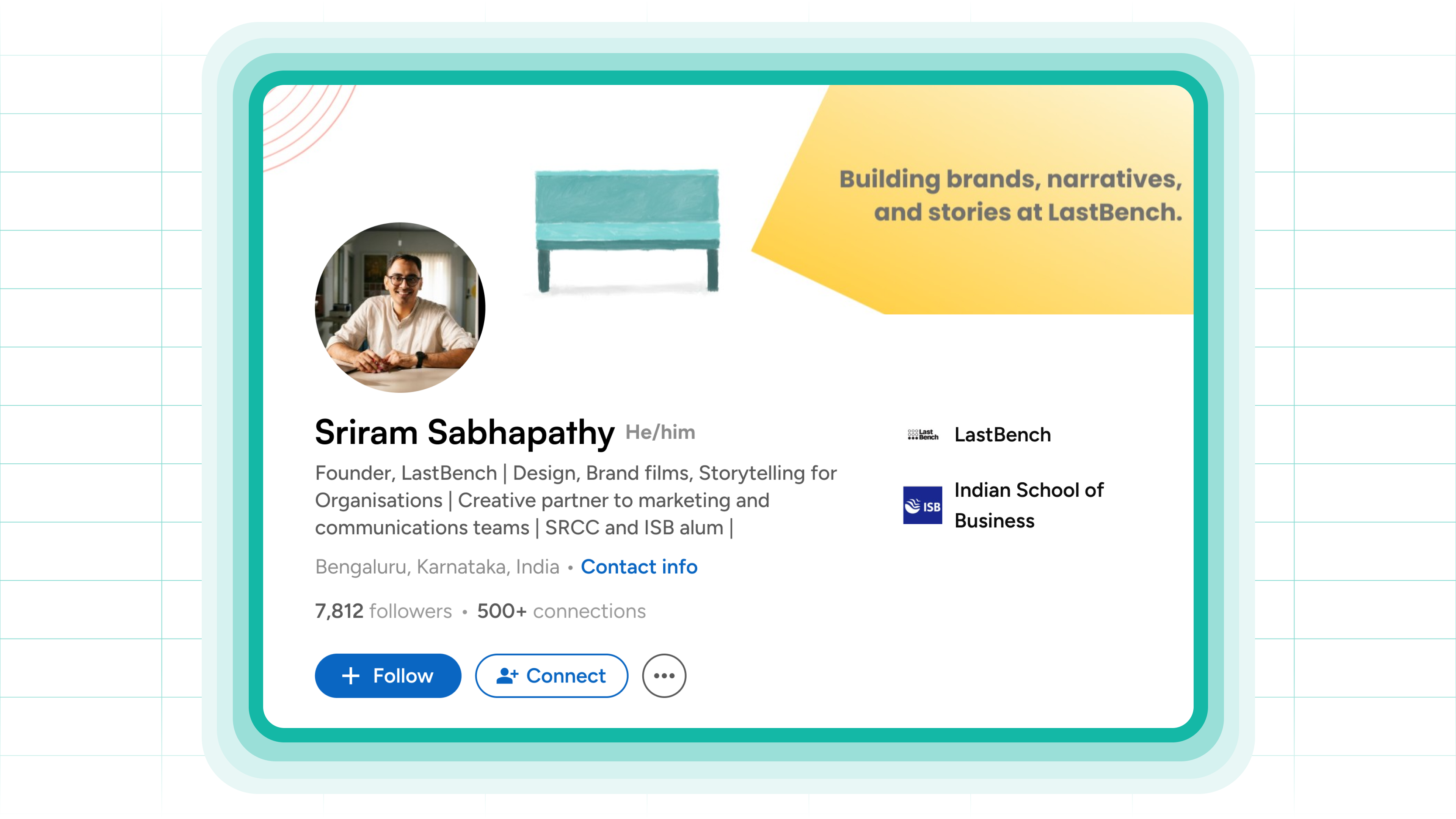
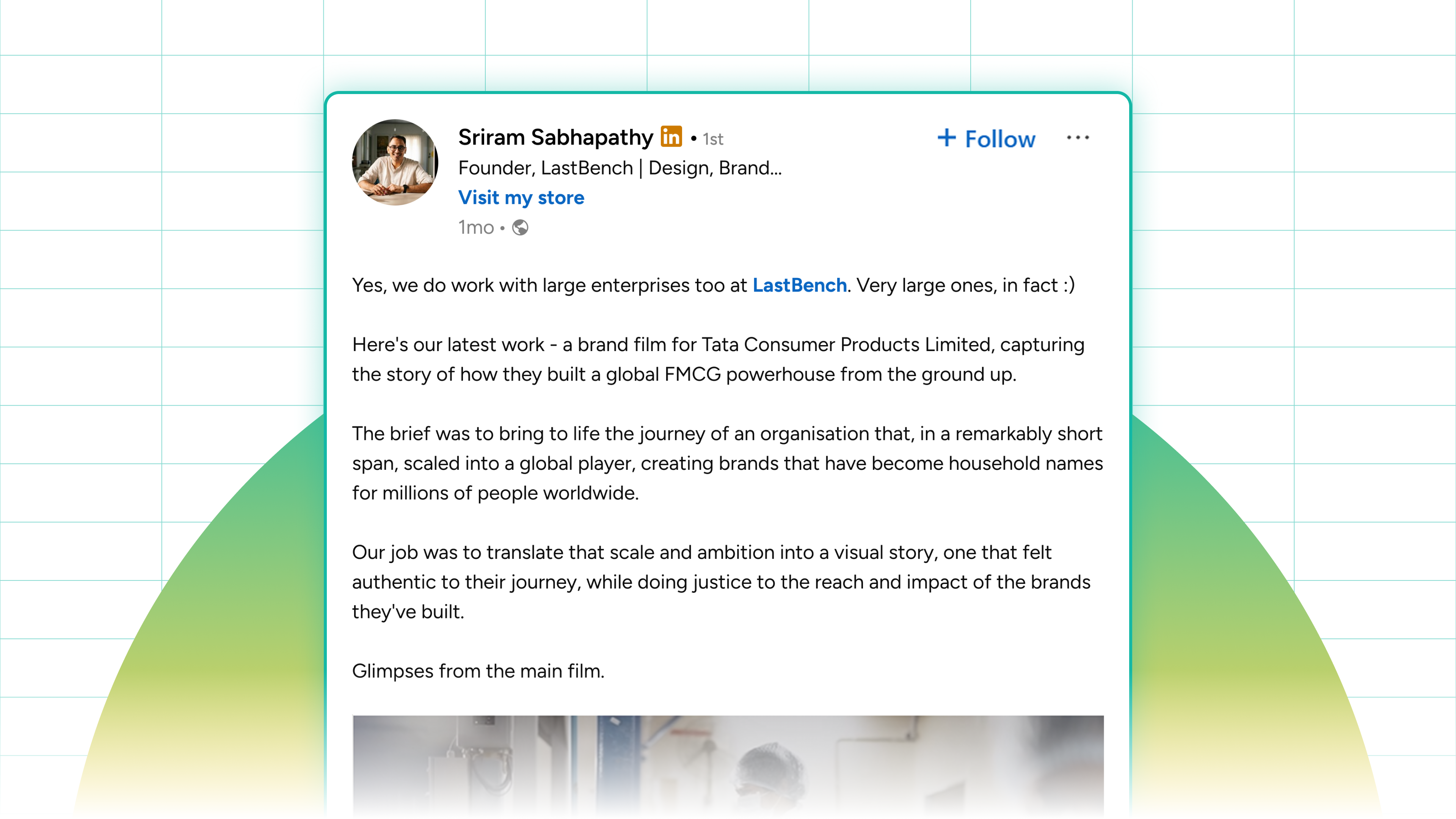
Sriram Sabhapathy is the founder of LastBench, a creative studio that works on brand films. On most of his LinkedIn posts, he lets the work speak first. He showcases a project, followed by a short, clear caption explaining the brief and the thinking behind it.
In one post, he shares a brand film created for Tata Consumer Products, explaining how the team translated the company’s rapid journey into a global FMCG player into an authentic visual story.
His profile is a strong example of how creative professionals can use LinkedIn to build credibility by consistently showing real work, real clients, and the context behind the execution rather than relying on long promotional posts.
Resource of the Week
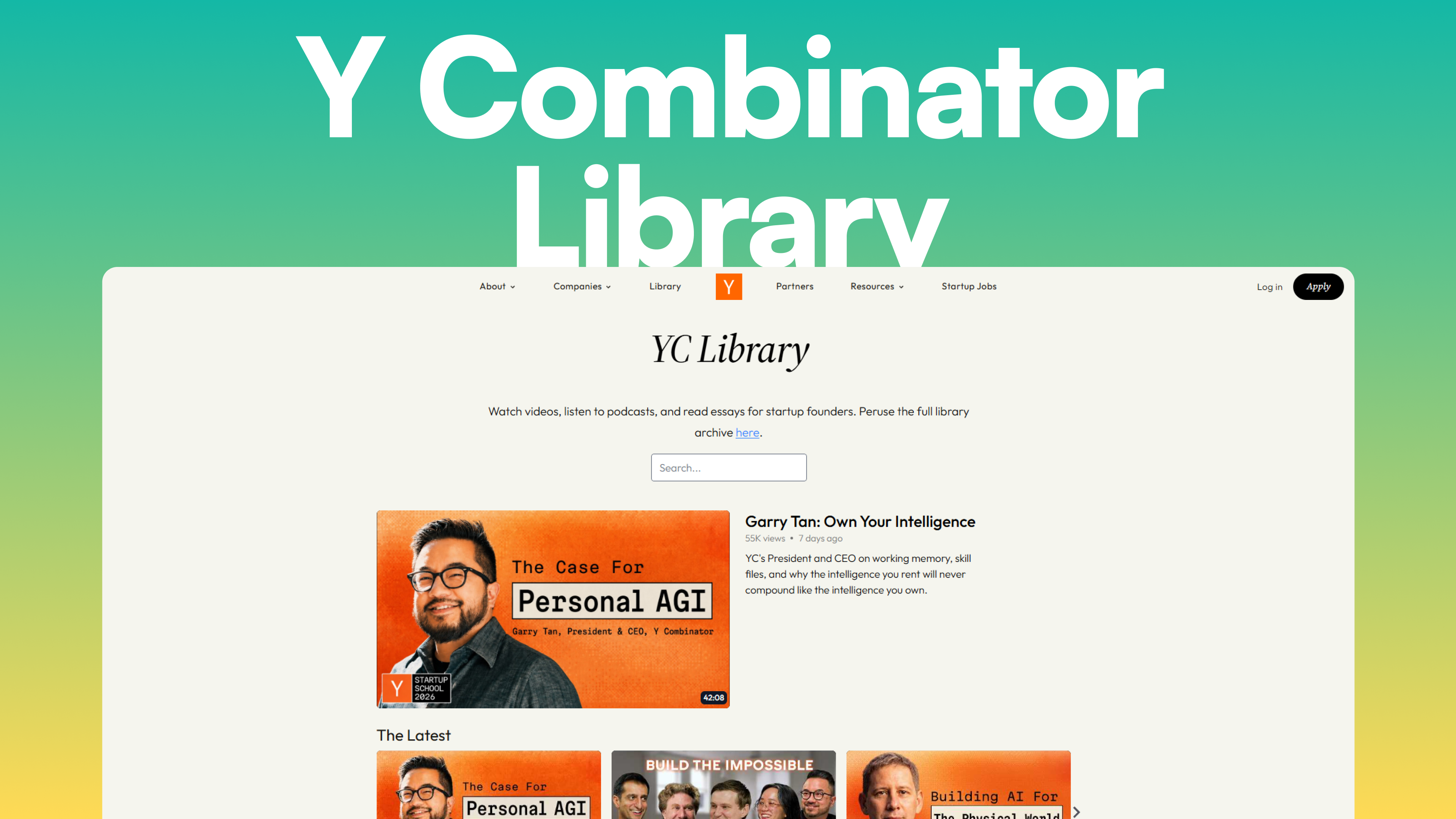
Y Combinator Library is a free collection of articles, talks, podcasts, and startup advice from founders, investors, and operators who have built some of the world’s most successful companies.
It covers product, growth, hiring, fundraising, and company building, making it one of the most practical learning resources available for founders, operators, and startup teams.
Coming Up Next…
LinkedIn analytics may look similar for everyone, but they don’t mean the same thing for every profile.
In the next issue of North Star, we’ll explore how to analyse LinkedIn performance more objectively, regardless of your industry, audience size, or type of profile.
Till then, let your company branding support your employer brand too.


