When Your LinkedIn Content Teaches Too Much

What You’ll Learn in this Issue
- Use authority posts to demonstrate your expertise, but avoid making your entire LinkedIn presence educational or technical.
- Share personal experiences, decisions, and observations to give your audience a clearer sense of your perspective.
- Revisit existing educational posts and explore how personal stories or lessons could make the same ideas more memorable.
When it comes to thought leadership, there are two types of content worth paying attention to: authority posts and personal insight posts.
The former establishes your expertise, but may not always make you memorable. The latter helps people connect with your experiences and perspective, but may not always demonstrate the depth of your knowledge.
In this issue of North Star, we explore what makes each type valuable and how to use them together more effectively.
The Two Types
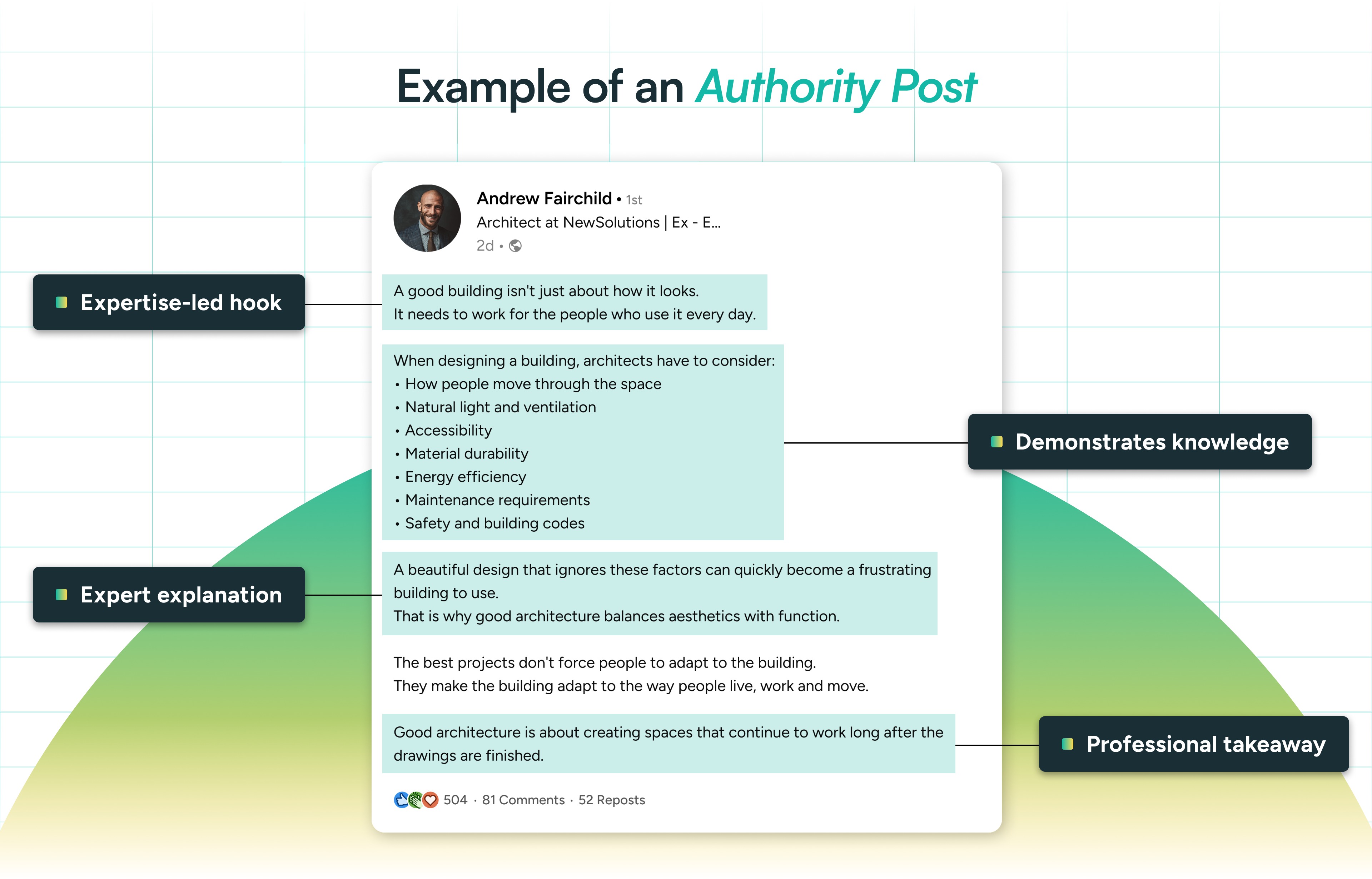
Authority posts are heavily researched, with facts, ideas, and concepts that help you become known for your area of expertise.
However, while people may find them informative, they may not always feel compelled to engage or share their own perspectives.
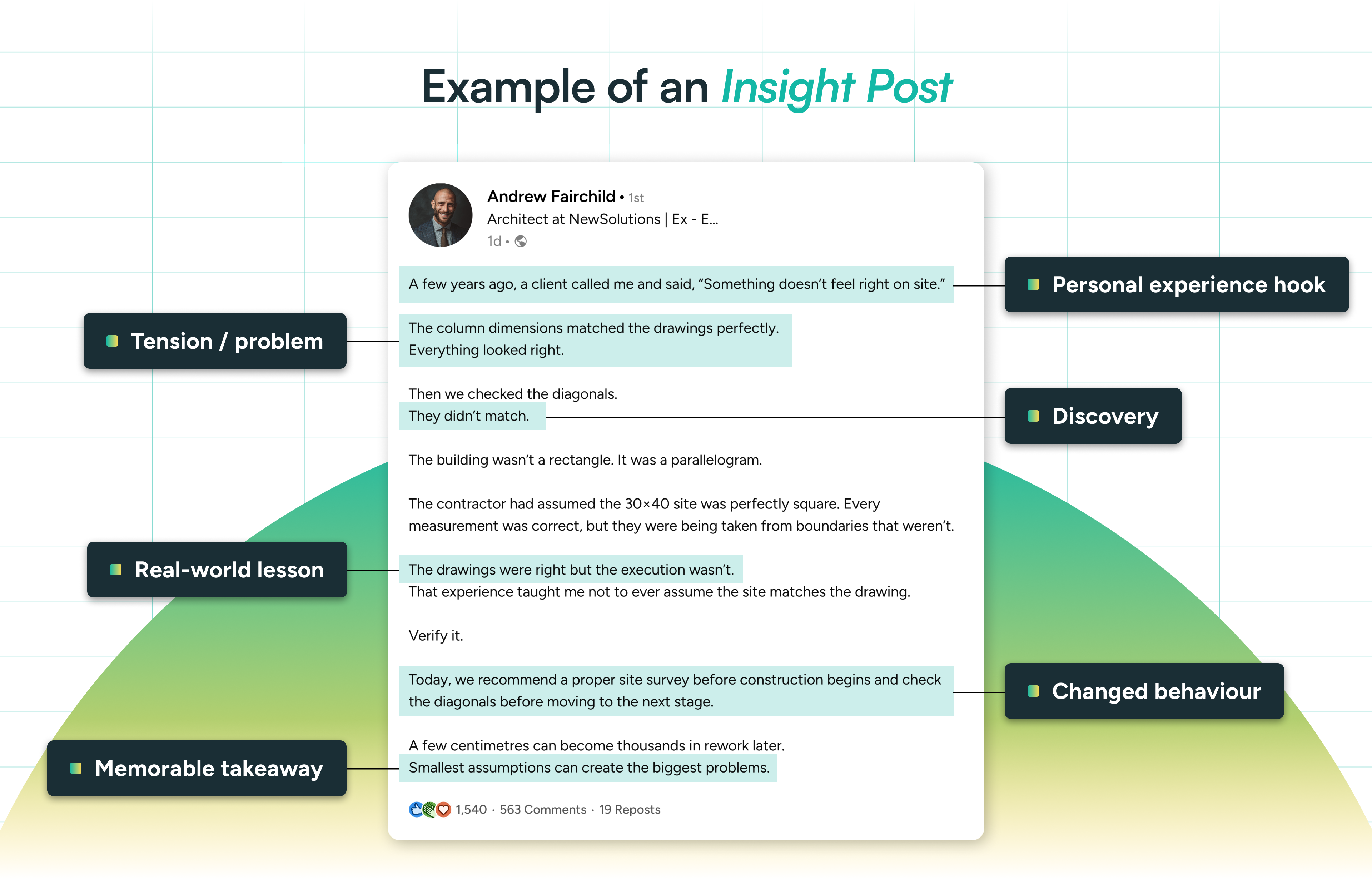
Personal insight posts, on the other hand, draw from your lived experiences and the lessons you have taken from them.
These could be mistakes, difficult decisions, unexpected outcomes, or observations that have changed how you approach your work.
One demonstrates what you know. The other helps people understand how you think and what makes your perspective distinct.
Stack Them Right
Where executives often go wrong is in how they balance these two types of content.
Many profiles are dominated by educational and technical posts, with very little room for personal experiences or perspectives.
The balance should often lean the other way, with more emphasis on personal insights while continuing to share technical expertise.
Authority posts establish your credibility and demonstrate what you know, while personal insight posts give people a reason to remember you and connect with your perspective.
The goal is to be recognized for both your knowledge and the way you think.

Work to Practice
Creating personal insight posts does not always require extensive research. The most valuable material already exists in your professional experiences.
If you regularly publish educational content, pick a few of your existing posts and think about how you could approach the same topics through a personal experience or observation.
Share what you learned, what surprised you, or why your perspective differs from the conventional view.
Then pay attention to the conversations these posts generate, both in the comments and in your DMs.
You may find that people are just as interested in how you arrived at an insight as they are in the insight itself.
Executive Spotlight
Umur Doruk Kaşoğlu is a growth and performance marketing leader with over 12 years of experience in user acquisition, app monetization, and scaling digital products.
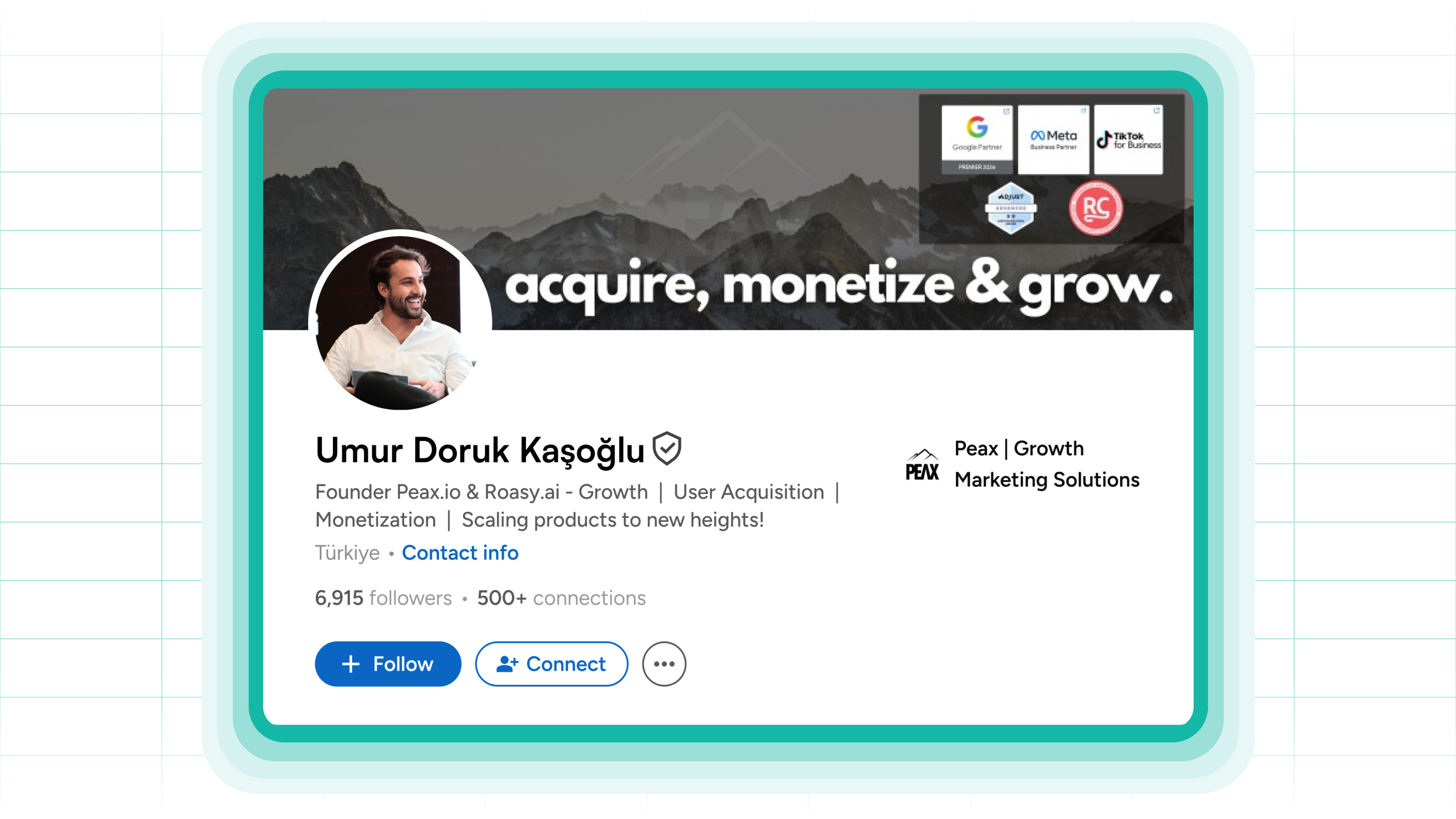
His LinkedIn presence is different in how he mixes industry insights with humour and personal experiences. In one post, he turns his failed attempt to learn Portuguese with Duolingo into a funny take on gamification, streaks, and user psychology.
His profile shows how professionals can make industry-related content more engaging by bringing their own experiences and personality into the conversation.

Resource of the Week
In creative work, there are productive days, difficult days, and plenty of days when you simply don't feel like creating.
In the book Keep Going, Austin Kleon shares 10 simple ideas for staying creative, focused, and true to your work even when things get difficult.
The book is a useful reminder that creativity is built through consistent practice, not just mere inspiration.