
Our Honest Take on LinkedIn in 2026

What You’ll Learn in this Issue
- LinkedIn’s stronger focus on niche relevance and AI-driven distribution has made visibility less predictable, while templated content and automated engagement have made the platform feel less genuine.
- Recent product changes suggest LinkedIn is responding to these frustrations through better analytics, feed personalization, credibility signals, and measures aimed at reducing low-quality AI content.
- Staying relevant still means understanding how the algorithm works, but original expertise, thoughtful networking, and long-term authority should remain the foundation rather than chasing every platform shift.
A lot has changed on LinkedIn over the past year, and not all of it has made the platform feel better to use.
Visibility seems harder to earn, personal tangents often perform poorly unless they fit neatly into a specific niche, and feeds are increasingly filled with templated posts, automated comments, and interactions that feel far less genuine than they used to.
In this issue of North Star, let's talk about it through some honest observations.
A More Niche-Focused Algorithm
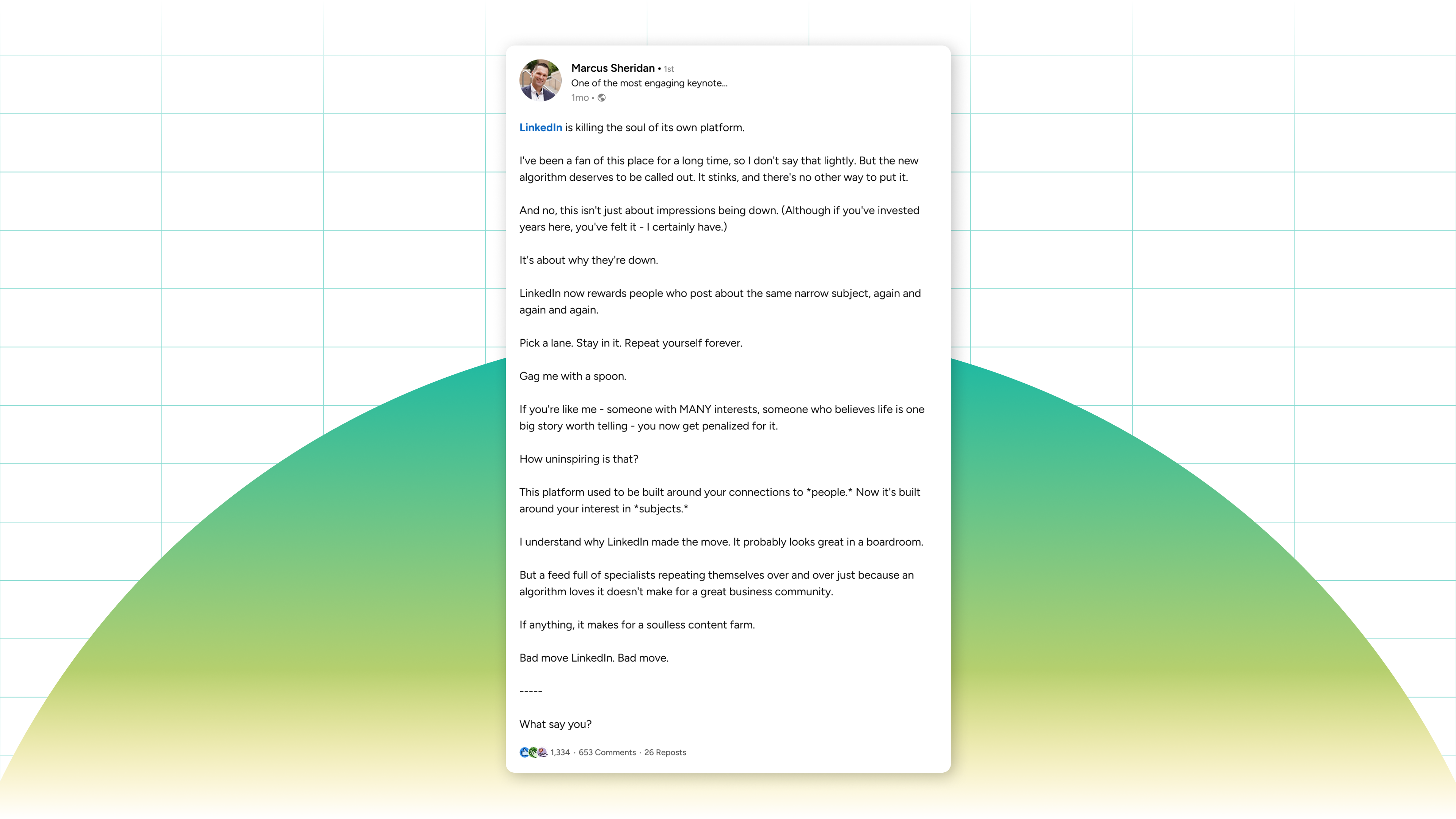
We're all aware that LinkedIn has increasingly started favoring highly niche content. People who consistently talk about one topic tend to receive more visibility than those who write across a wider range of subjects.
While this may seem beneficial for branding in general, it has changed the experience of using LinkedIn.
Many of our favorite creators have slowly disappeared from our feeds, and many people who once regularly engaged with our content don't seem to see it anymore.
For professionals who enjoy sharing whatever is on their mind or exploring different interests, this shift has made LinkedIn feel far more restrictive than it used to.
AI Intervention
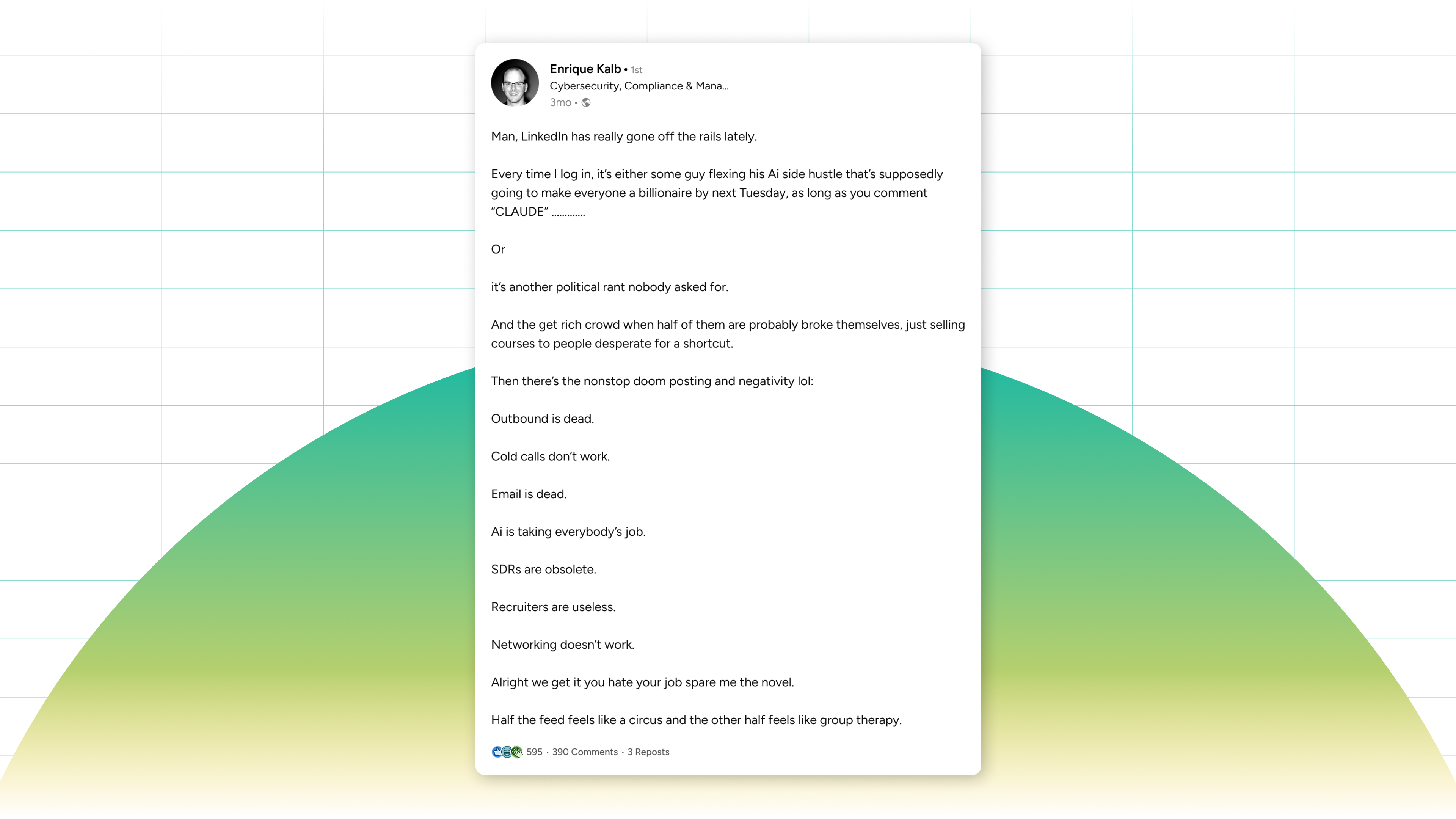
From AI-written posts to automated comments, AI's influence on how we write, engage, and even track performance has become increasingly visible.
For creators who genuinely spend time on LinkedIn reading, learning, and interacting with others, it has become much harder to come across original thinking.
As LinkedIn attempts to deprioritize AI-generated content, genuinely original posts can also get caught in the process.
Combined with feeds filled with templated content and AI-generated interactions, many are finding the platform less engaging and, eventually, more tiring to use.
Place of Hope
The interesting part is that LinkedIn seems aware of many of these frustrations. Over the past few months, the platform has been active with feedback requests, product experiments, and quality-focused updates.
We’ve already seen early signs of:
• Better visibility analytics that separate in-network and out-of-network reach.
• Personalized feed experiments designed to show more relevant content.
• GIFs in comments to make conversations feel a little more human again.
• Connected Apps that add more credible signals of real-world expertise.
And now, the new “Seems Like AI Slop” feedback feature aimed at reducing low-quality, overly automated content.
These updates won’t fix LinkedIn overnight, but they show a more human, evolving direction.
What Should Stay Constant?
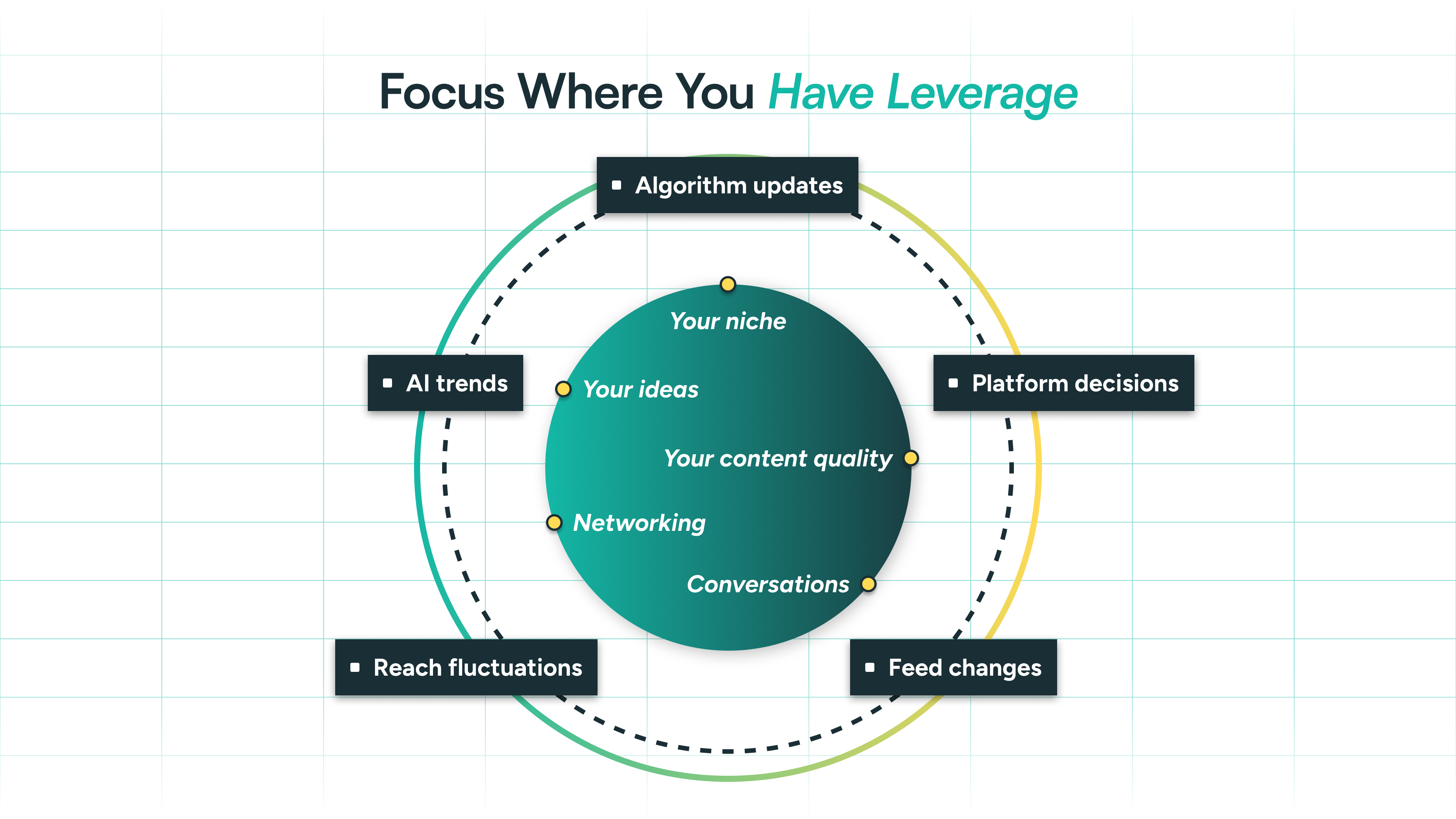
For now, it's worth focusing on your niche because that's what strengthens your LinkedIn presence and builds recall. But don't let the algorithm completely dictate what you share.
Your profile is a long-term asset, and your content should continue building authority long after today's algorithm changes.
At the same time, double down on networking. Send thoughtful connection requests, start conversations, and build relationships.
Unlike reach and impressions, genuine networking isn't dependent on the algorithm, and it also helps shape a feed that's more relevant to you.
It's good to stay hopeful. LinkedIn will continue to evolve, just as every platform does. The people who endure will be the ones consistently creating value.
Executive Spotlight
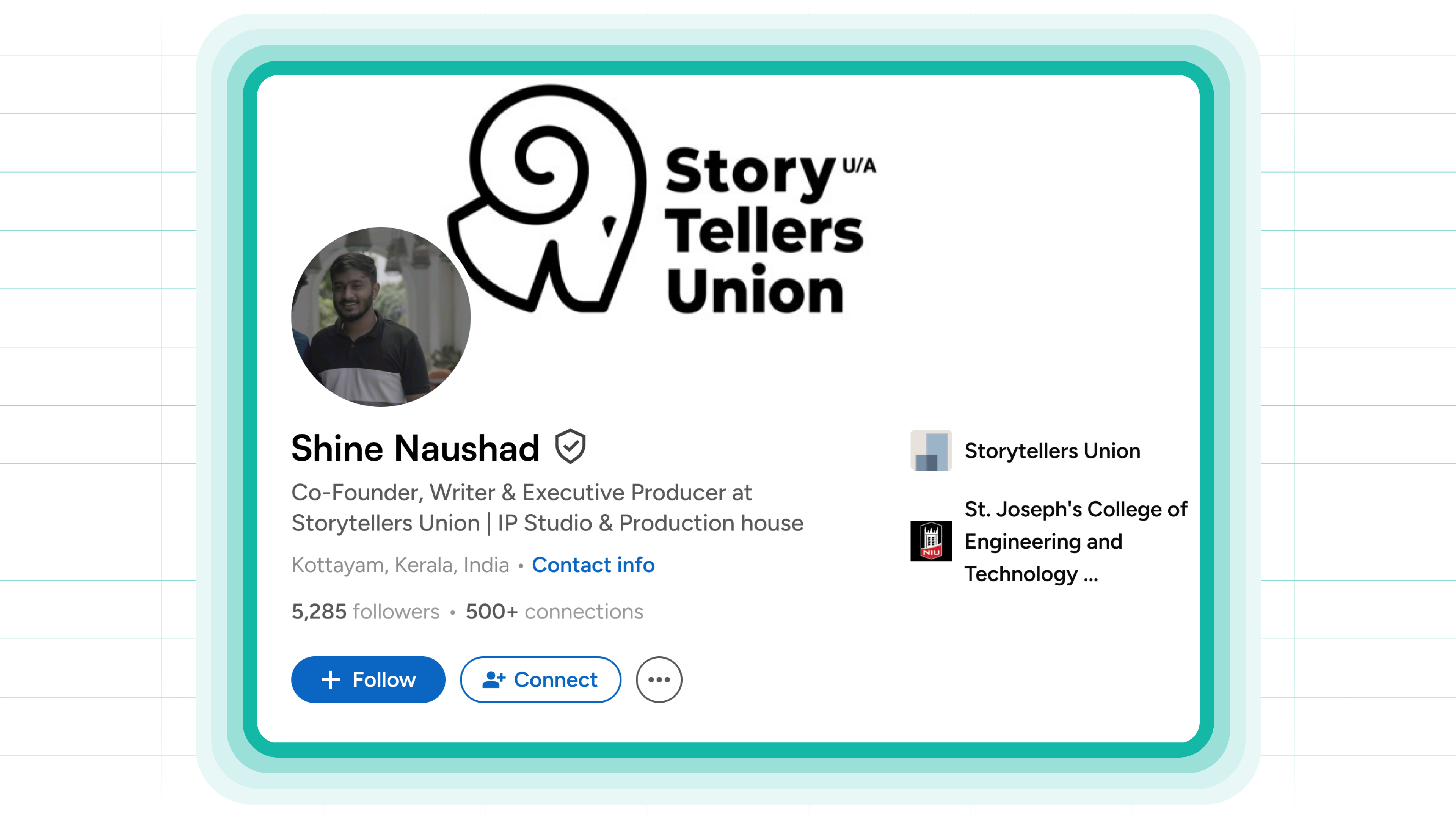
Shine Naushad is the Co-founder of Storytellers Union, a creative studio and production house that develops original IPs, branded content, and cinematic experiences.
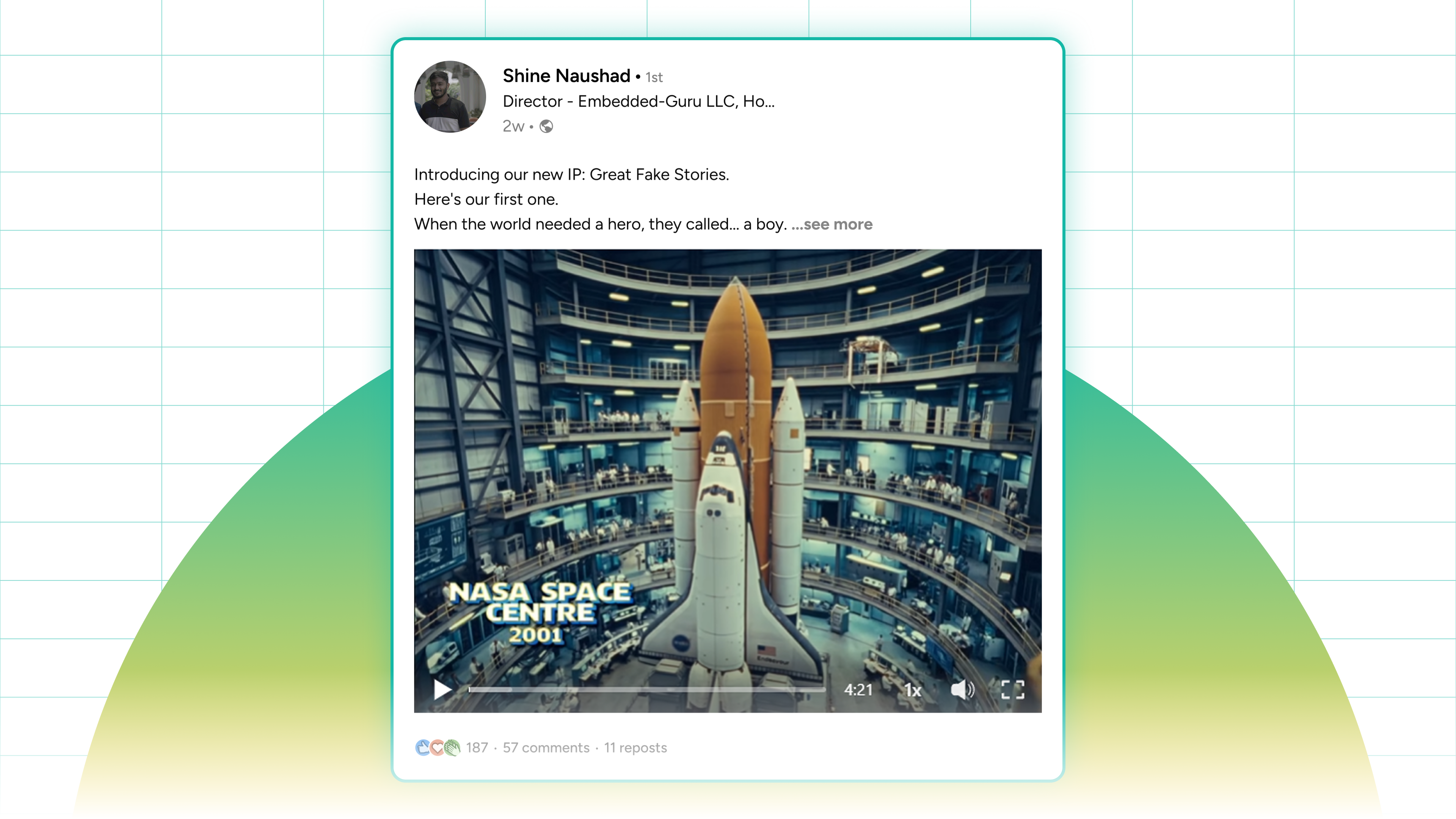
His LinkedIn presence reflects the nature of his work, letting the visuals do most of the storytelling. Rather than relying on long captions, Shine uses LinkedIn to document new productions, creative experiments, and original IP launches.
In one post, he introduces Great Fake Stories, an original AI-powered series, using the platform as a stage to showcase the work itself. For founders in creative industries, his profile is a great example of building a brand by consistently shipping projects instead of over-explaining them.
Resource of the Week
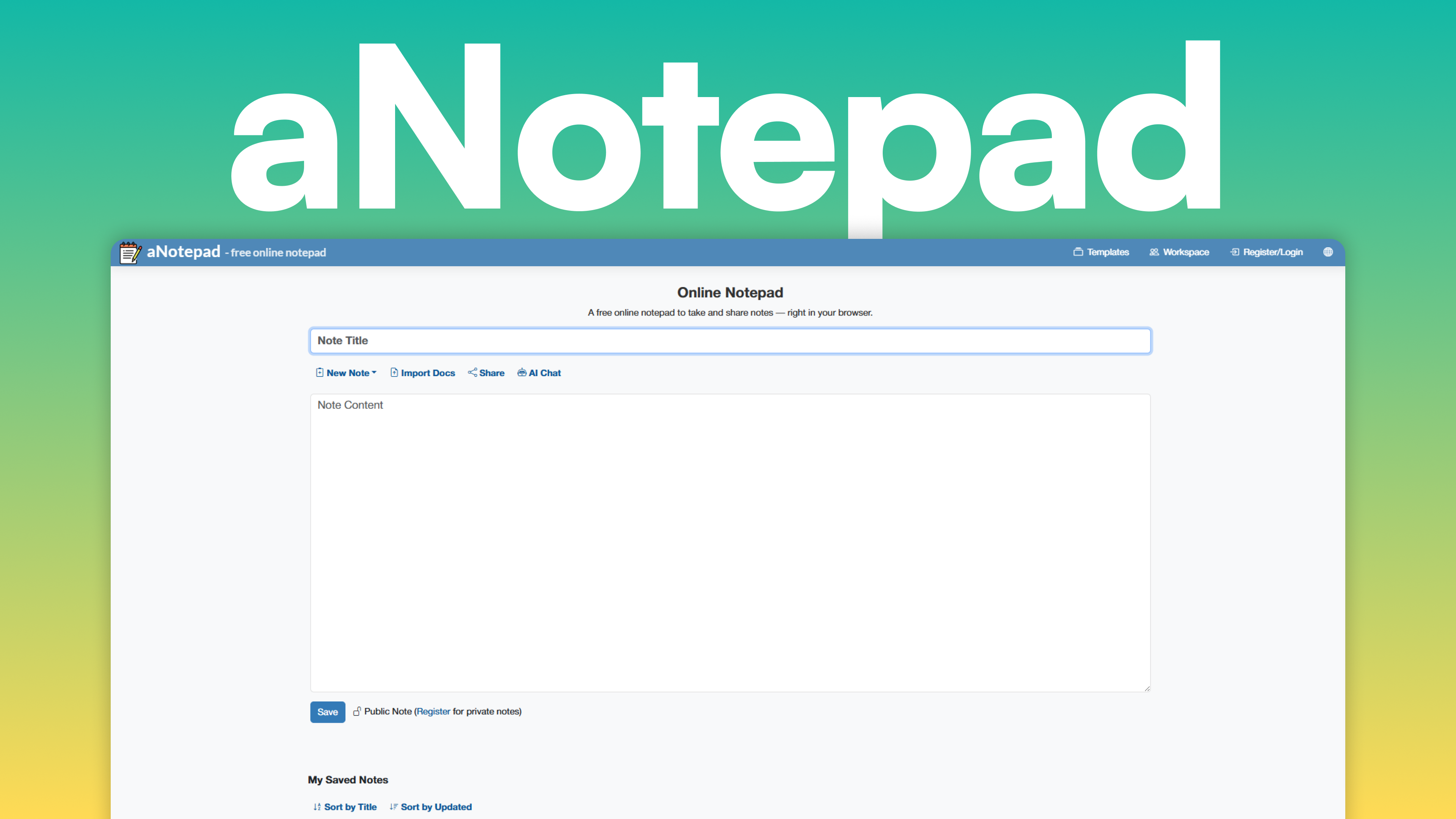
Anotepad is a simple, browser-based notepad that lets you create, organize, and access notes from anywhere.
It's great for storing rough ideas, research snippets, meeting notes, or content drafts when you need a distraction-free workspace.
Coming Up Next…
Most people think LinkedIn helps you get invited to events. But it can be just as valuable once you're there, even if you're only attending.
In the next issue of North Star, we'll explore how to use LinkedIn before, during, and after an event to build stronger relationships and get far more value from every conference you attend.
Till then, keep building a brand that outlasts every algorithm update.


