
The Overlooked Lever for Executive Branding on LinkedIn

What You’ll Learn in this Issue
- Why employee advocacy strengthens credibility by turning your team into proof of your brand
- How authentic team engagement amplifies reach and makes your presence more trustworthy
- Why inspiring, not forcing, employees to share is key to building a strong and genuine brand
Once you realise the importance of building your personal brand online, you start investing in it consistently.
But over time, there are certain levers you need to pull to accelerate your presence on LinkedIn.
Just like a strong company page serves as a default legitimacy check for your business, your team’s profiles act as living proof of your work.
You can only talk about your company so much before it starts to feel like self-promotion - your team makes it credible.
Let’s look at how to get employee advocacy right on LinkedIn.
It’s Becoming the Norm
Employee advocacy is becoming one of the most overlooked growth levers for executive branding.
Just as thought leadership has taken off in recent years, employee branding is following close behind.
Company pages talking about culture have taken a back seat, while employees are now documenting their work directly.
Your team comes from diverse backgrounds and experiences. Leveraging their profile activity can 10x your brand’s presence.
The Basic Qualifier
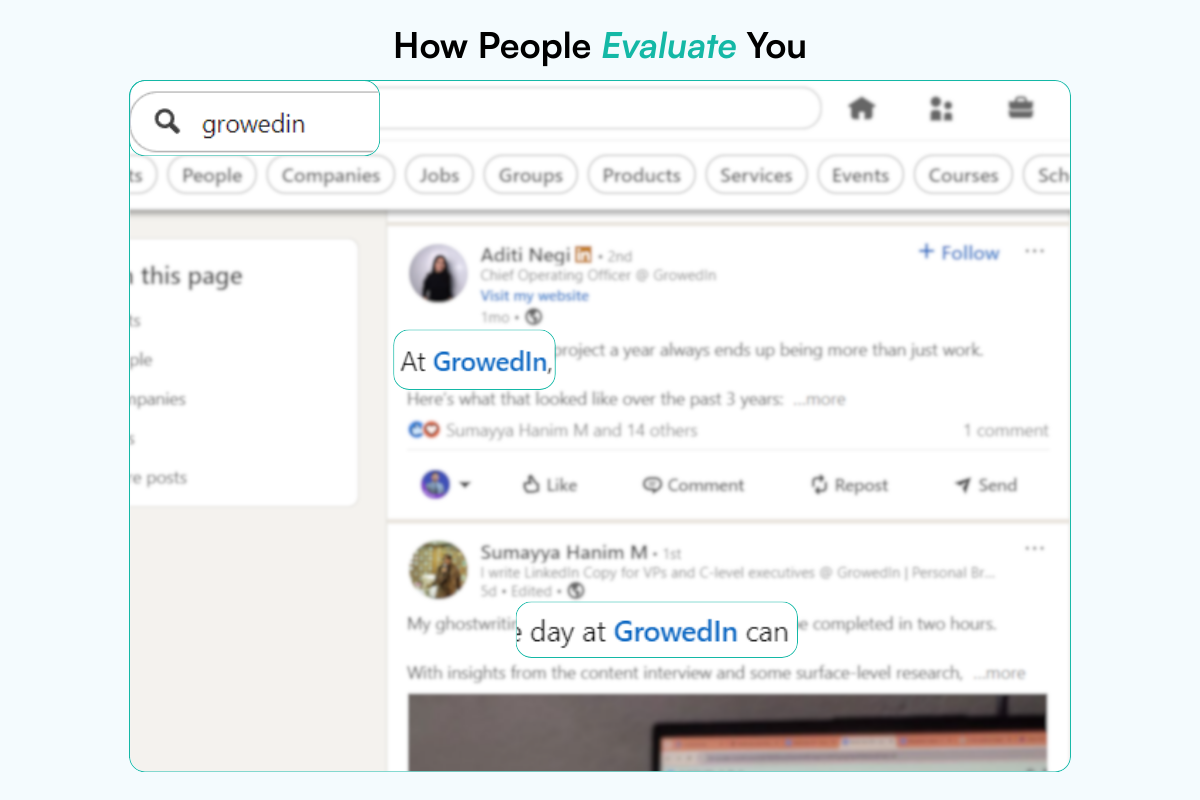
When potential leads search for your company, they often land on employee profiles first.
If those profiles reflect your culture and quality of work, your credibility and chances of conversion go up instantly.
Boosts Engagement
LinkedIn rewards authentic engagement.
When your team actively interacts with your content, it not only boosts visibility, it makes conversations feel more genuine.
A Platform for Appreciation
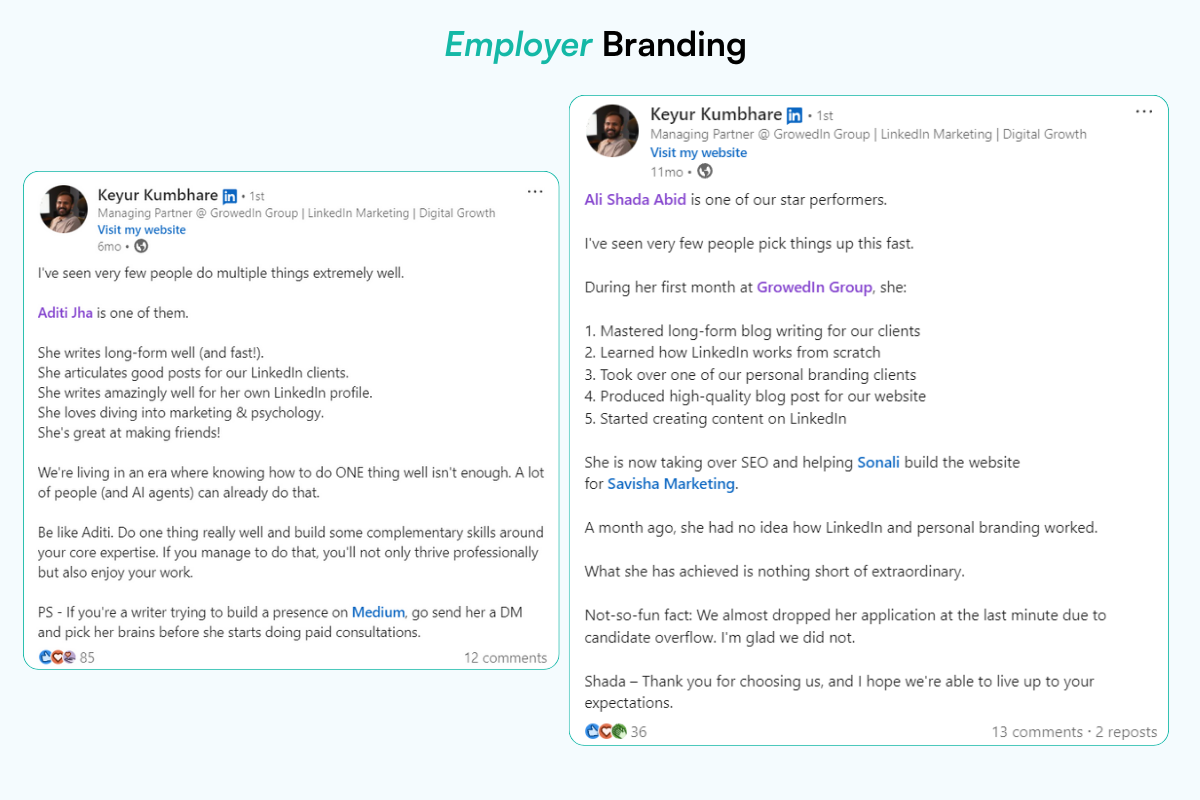
Beyond visibility, team posts often double as tokens of appreciation. They allow leaders to highlight and celebrate employees publicly.
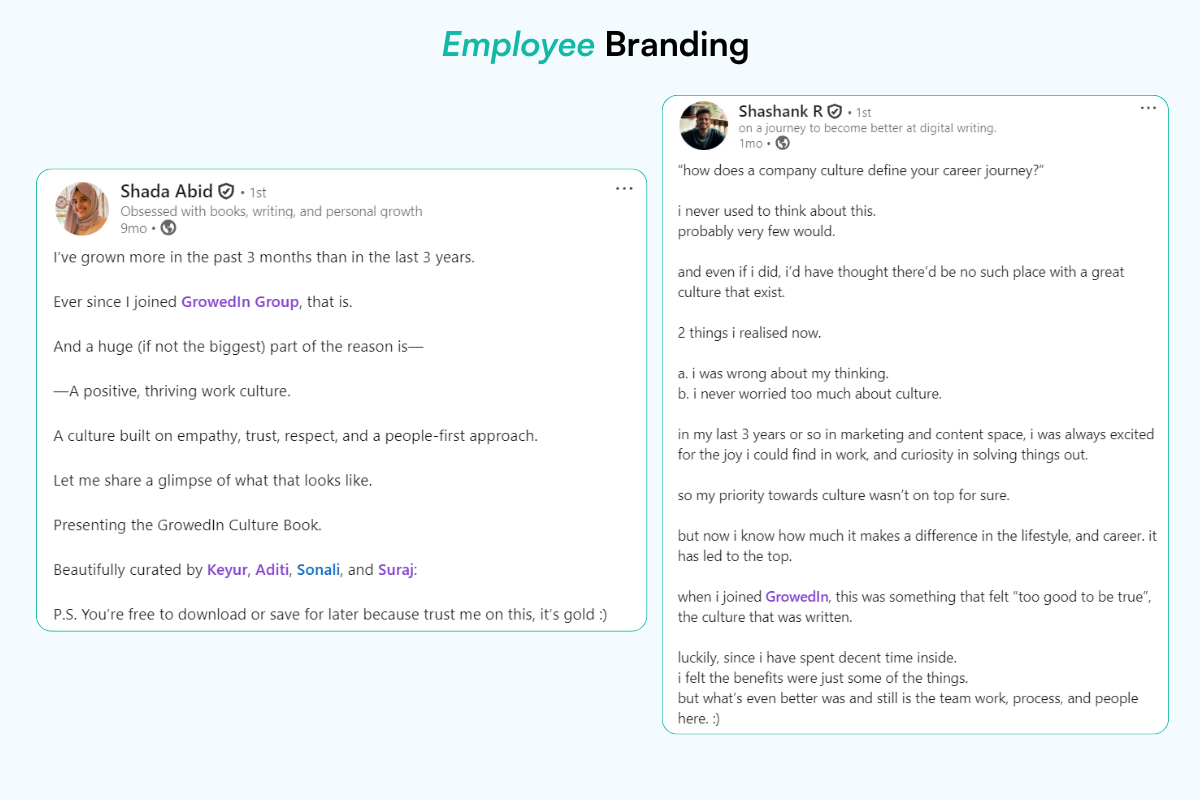
It also gives employees the space to share what they value about their role and workplace too.
How Not to Do It
LinkedIn is a platform for organic growth. Even if you beat the algorithm with templates or forced posts, people can tell what’s real and what’s not.
Avoid:
• Forcing employees to post
• Pushing them with banners or pre-written templates
• Setting quotas like “5 company posts per month”
• Monitoring or policing their content
Instead:
• Inspire them with your brand so they want to post
• Help them see how their presence supports the company’s image
• Build a culture where they feel proud to share their work
• Support them with resources and training so they feel confident posting online
Executive Spotlight
Kartik Bansal is the founder of KnackLabs, helping future-ready teams turn AI-powered ideas into usable systems fast.
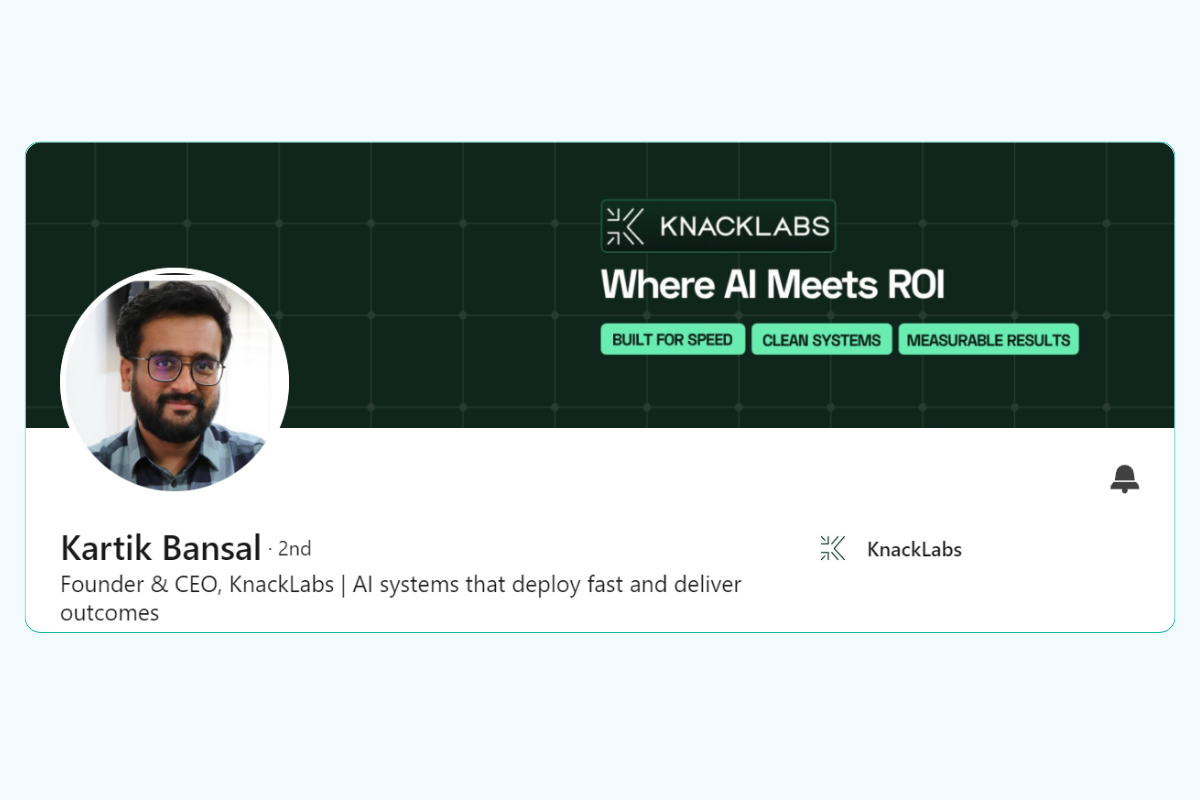
On LinkedIn, he regularly shares AI insights that are both digestible and genuinely thought-provoking.
If you’re part of the AI conversation (or even questioning it), Kartik’s a great person to follow.
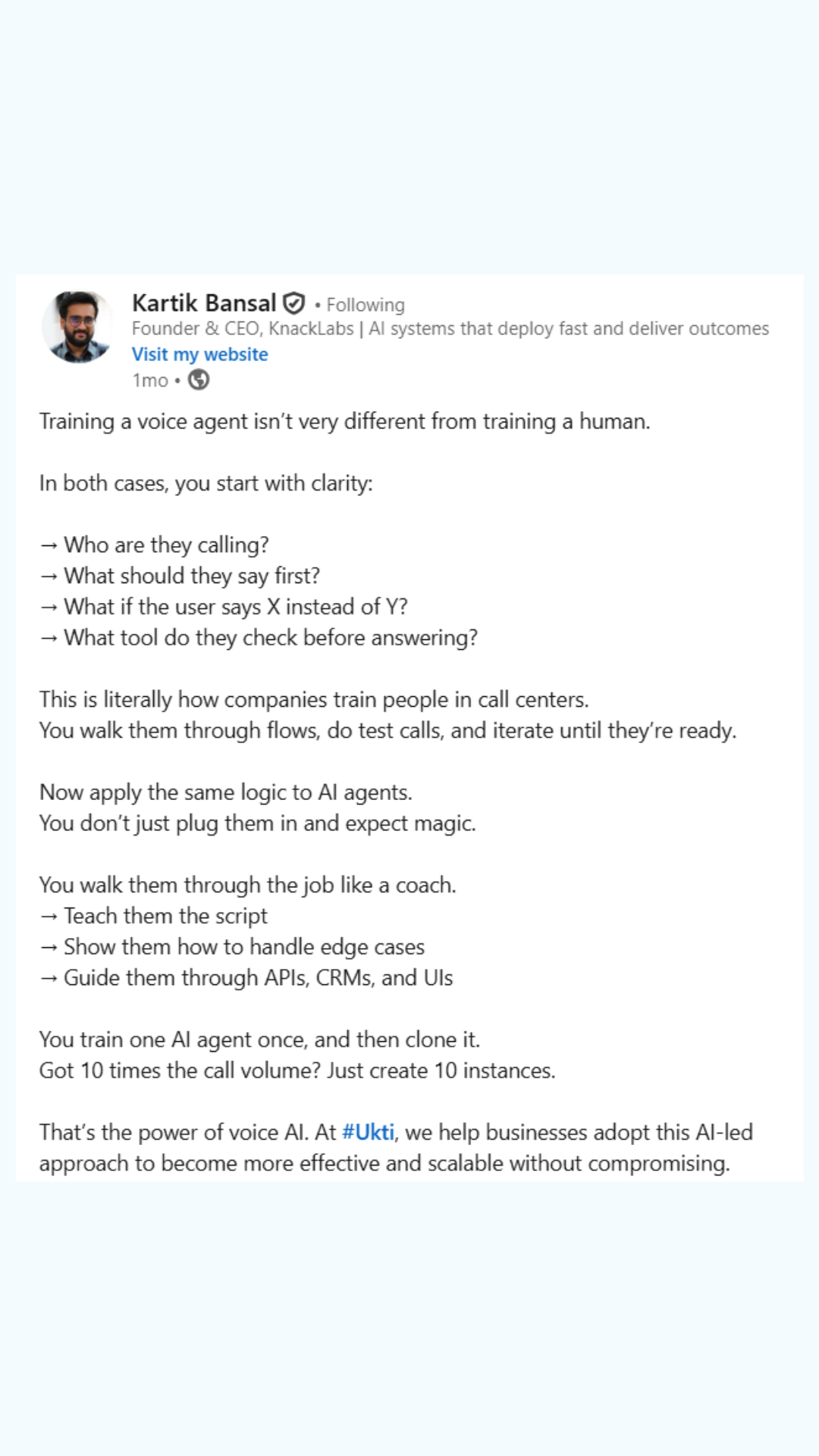
In this post, he points out something we don’t usually think about: training an AI voice agent is a lot like training a human. Interesting, isn’t it?
Resource of the Week
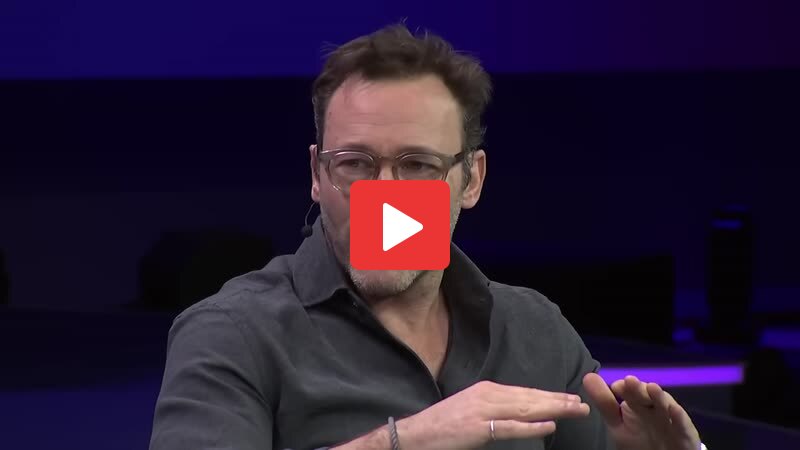
This short video from Simon Sinek introduces a simple exercise to help you uncover your “why.”
You ask a close friend why they value your friendship and keep asking until you hit the real, deeper reason.
It’s a 3-minute watch, and worth every second.
Coming Up Next…
You post consistently and stay updated on LinkedIn. But do people truly connect with your ideas?
You might be missing something crucial.
We’ll break it down in the next issue.
Till then, while you optimise your own presence, don’t forget your team’s.


