

How Executives Should Read LinkedIn Analytics

What You’ll Learn in this Issue
- Why executives should measure LinkedIn success through influence, conversations, and relevance, not vanity metrics
- Which signals truly matter, from thoughtful comments and DMs to profile views and audience quality
- How aligning metrics with intent helps you track real business impact, not just engagement
Positioning matters, especially on LinkedIn. If your content is meant to build executive credibility, your analytics must be read through the same strategic lens. A CTO does not optimise for virality, and a CRO does not measure success by likes.
Executives focus on demand, sentiment, pipeline, and influence. LinkedIn metrics can tell you all of this, but only if you analyse them like a marketer. Surface-level numbers miss the full story.
Let us break down the metrics that actually reflect executive impact.
Metrics to Track as an Executive
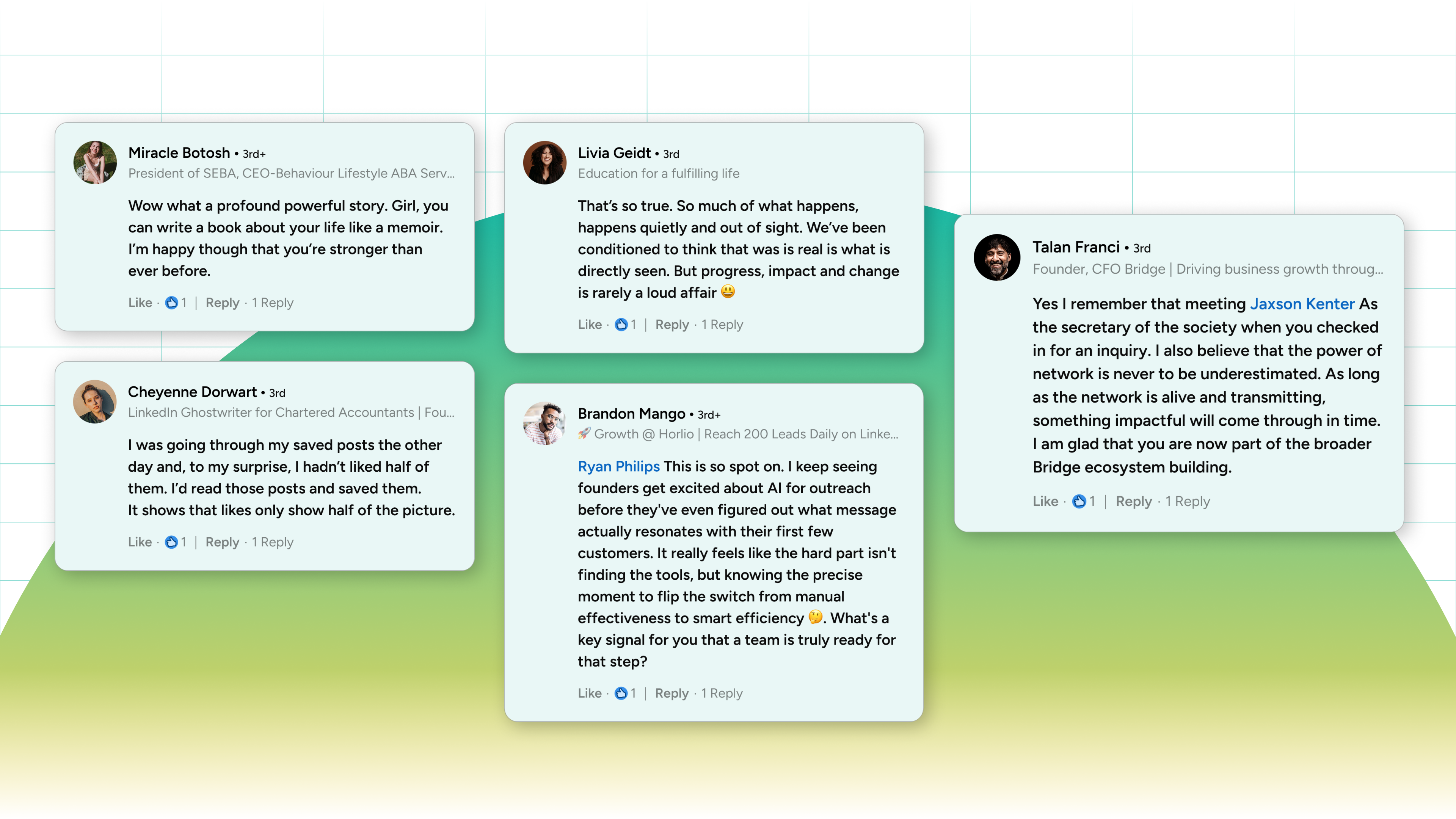
1. Thoughtful Comments
Comments that add perspective, challenge your thinking, or offer a fresh take show that your ideas are leaving a mark and contributing to industry conversations.
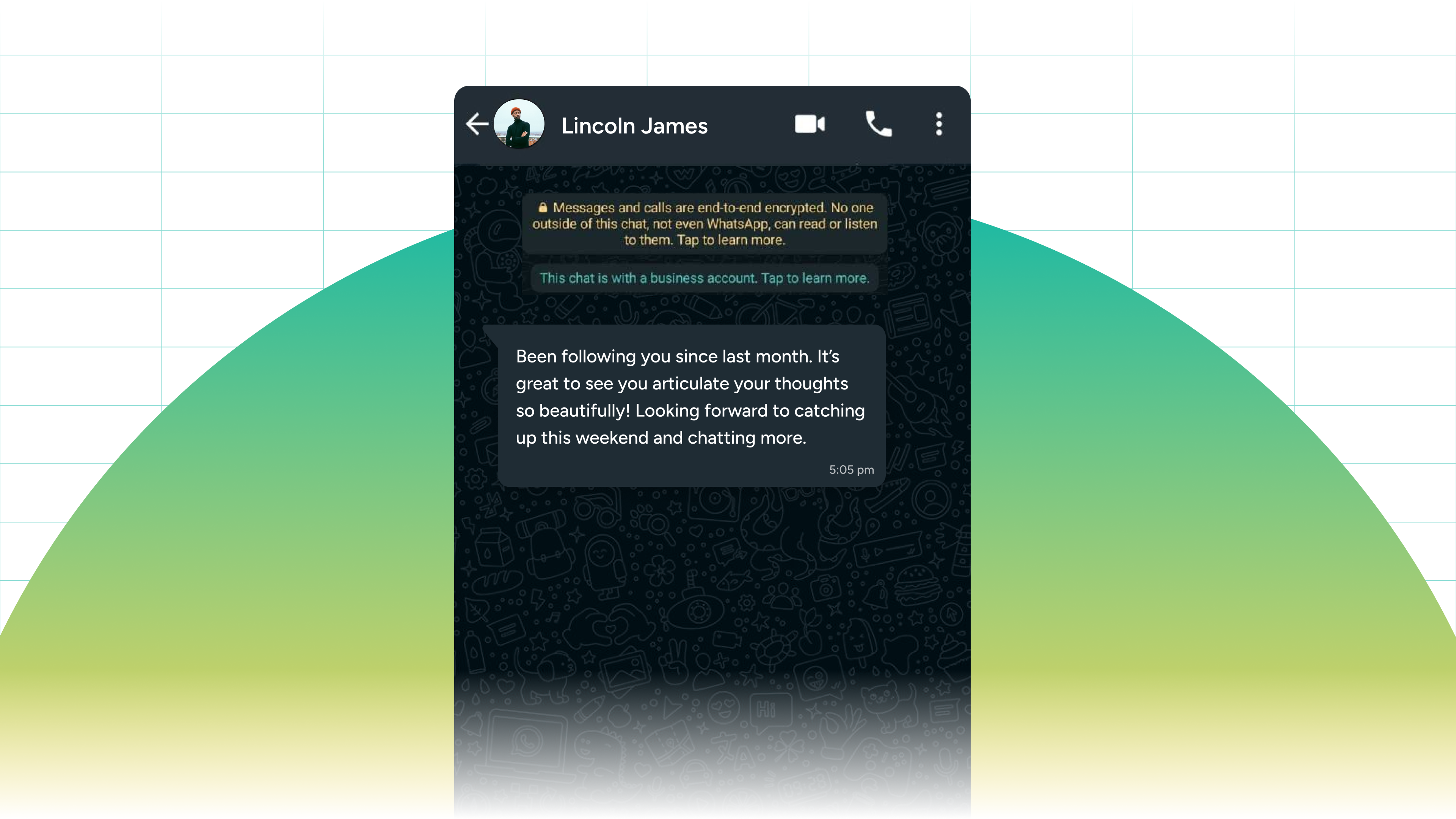
2. Conversations in DMs
When someone moves your post into a private conversation, it signals genuine interest in your expertise.

3. Profile Views
Visitors checking your profile after consuming your content indicates that your insights are compelling and your expertise is recognised.

4. Outside LinkedIn
When friends, colleagues, or acquaintances mention that they follow and enjoy your posts, it shows your offline social capital aligns with your online presence.
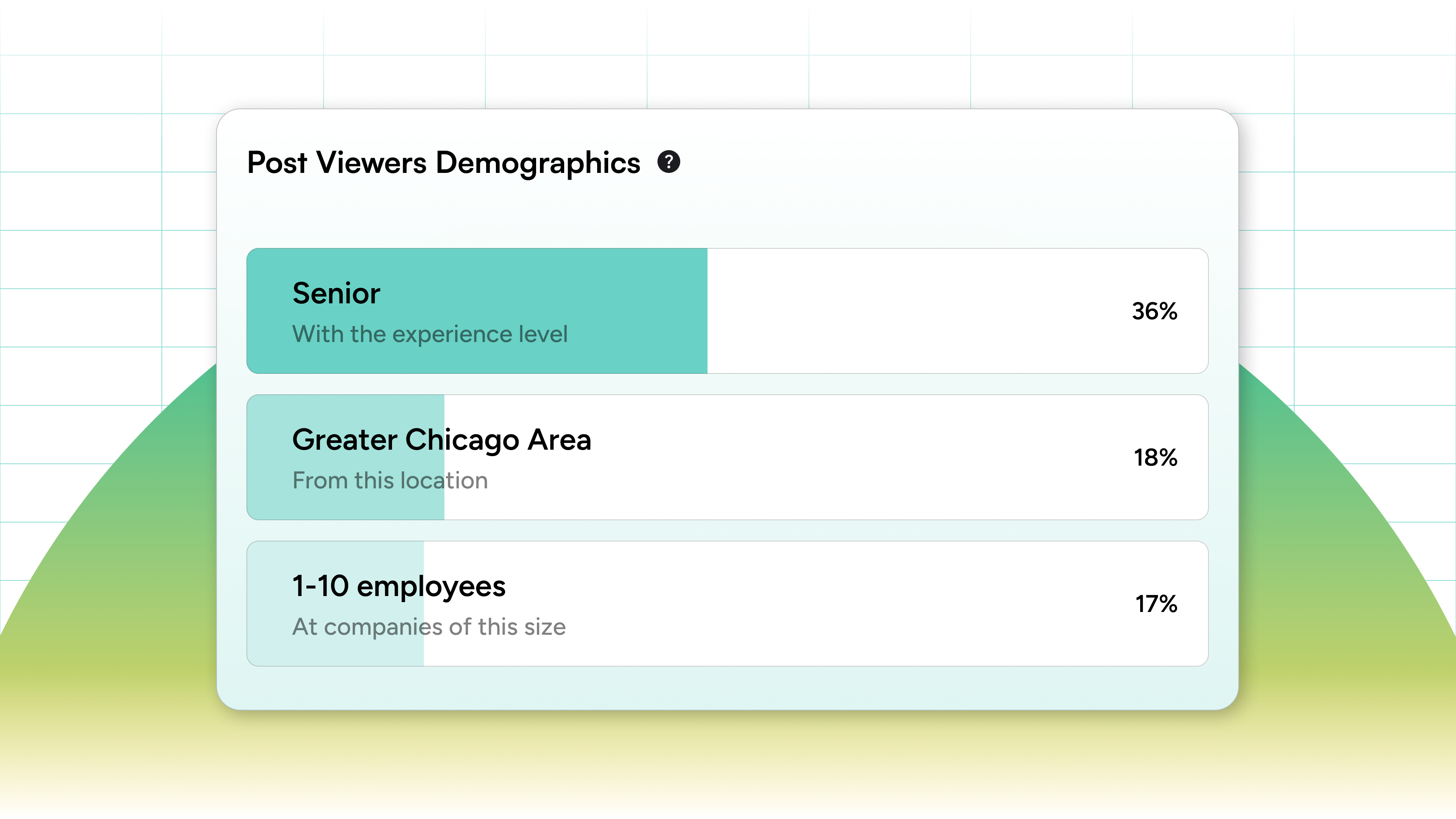
5. Demographics
Monitor who engages with you. Senior peers for thought leadership, potential hires if you are recruiting, and geographically relevant audiences to ensure your reach matches your goals.
6. Growing Network
A steadily growing network expands your future opportunities for discussions, collaborations, or referrals. It strengthens your reputation even without immediate outcomes.

Set Your Baselines Right
When tracking metrics, anchor yourself to these three principles:
1. Quality over Quantity
Twenty-three relevant likes matter more than four hundred fifty-seven from random accounts.
2. Collaboration and Network Potential
Prioritise meaningful conversations that may lead to collaborations, referrals, or opportunities.
3. Alignment
Ensure your results match the intention behind your content.
Once these baselines are set, big numbers will not inflate your ego, and declining graphs will not discourage you.
Executive Spotlight
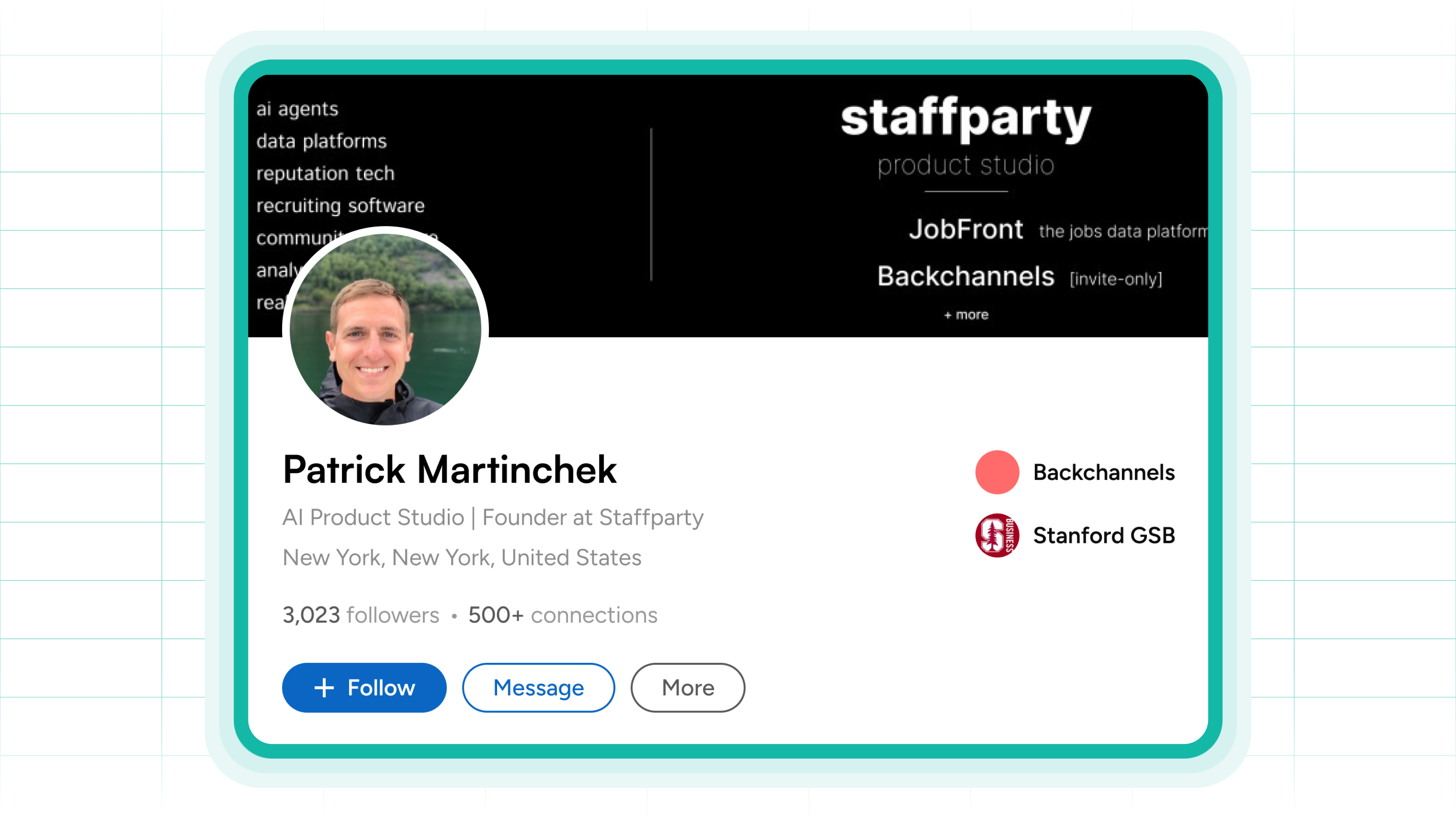
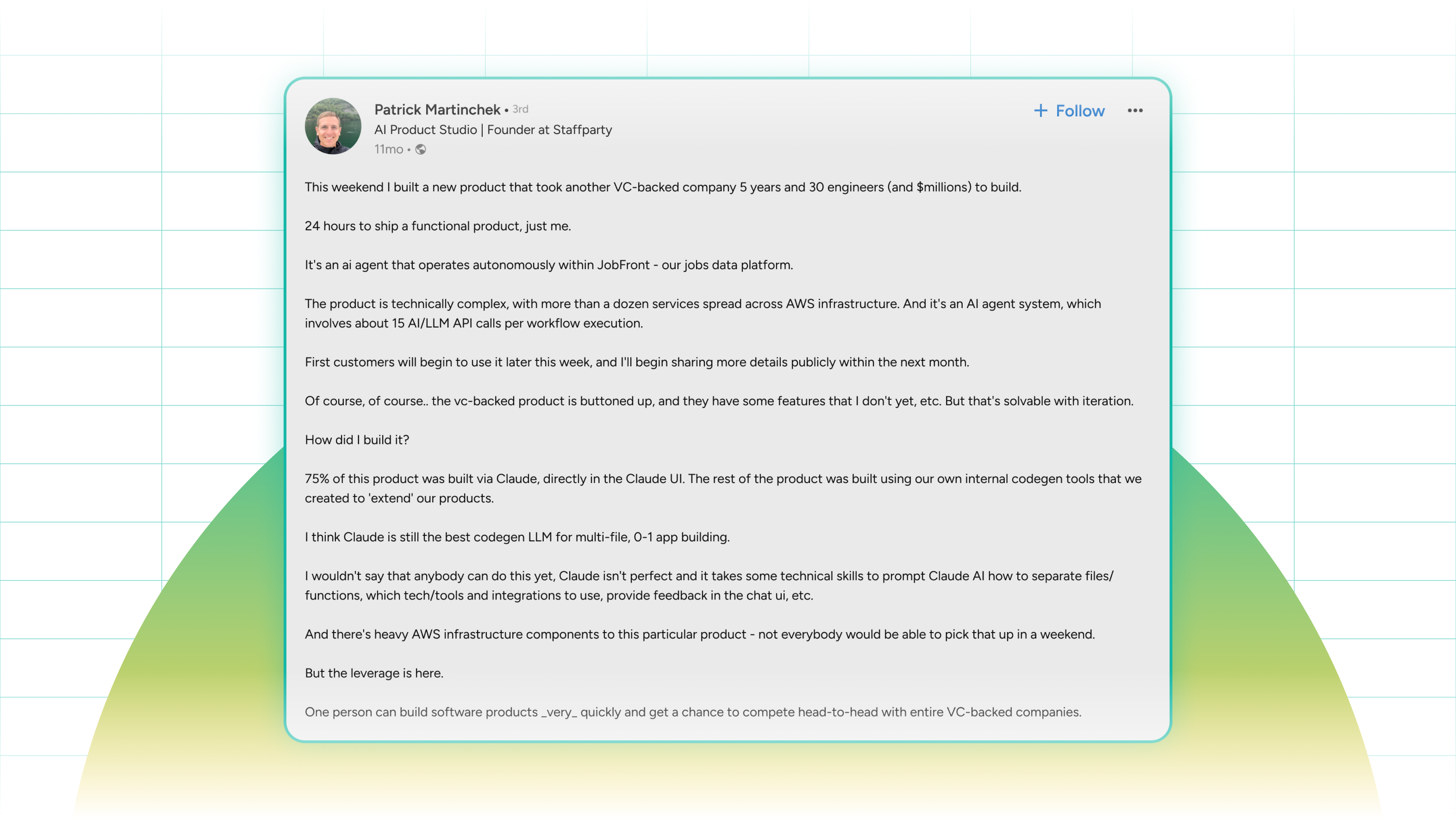
Patrick Martinchek is the founder of Staffparty, an AI product studio, and previously led product and engineering at NASA and other well-known organisations.
On LinkedIn, he shares practical insights on building products quickly with AI, the limits of code generation today, and what it takes to ship complex systems with small teams.
In one of his recent posts, he explains how he shipped a functional AI product in twenty-four hours, a project that took a VC-backed team years. Seventy-five percent of the code was generated using Claude and internal code generation tools.
This shows that AI provides significant leverage for rapid prototyping, but real success still depends on technical skill and thoughtful iteration.
If you are interested in AI and want to follow someone who goes beyond generic messaging to show real execution, Patrick is a strong profile to follow.
Resource of the Week
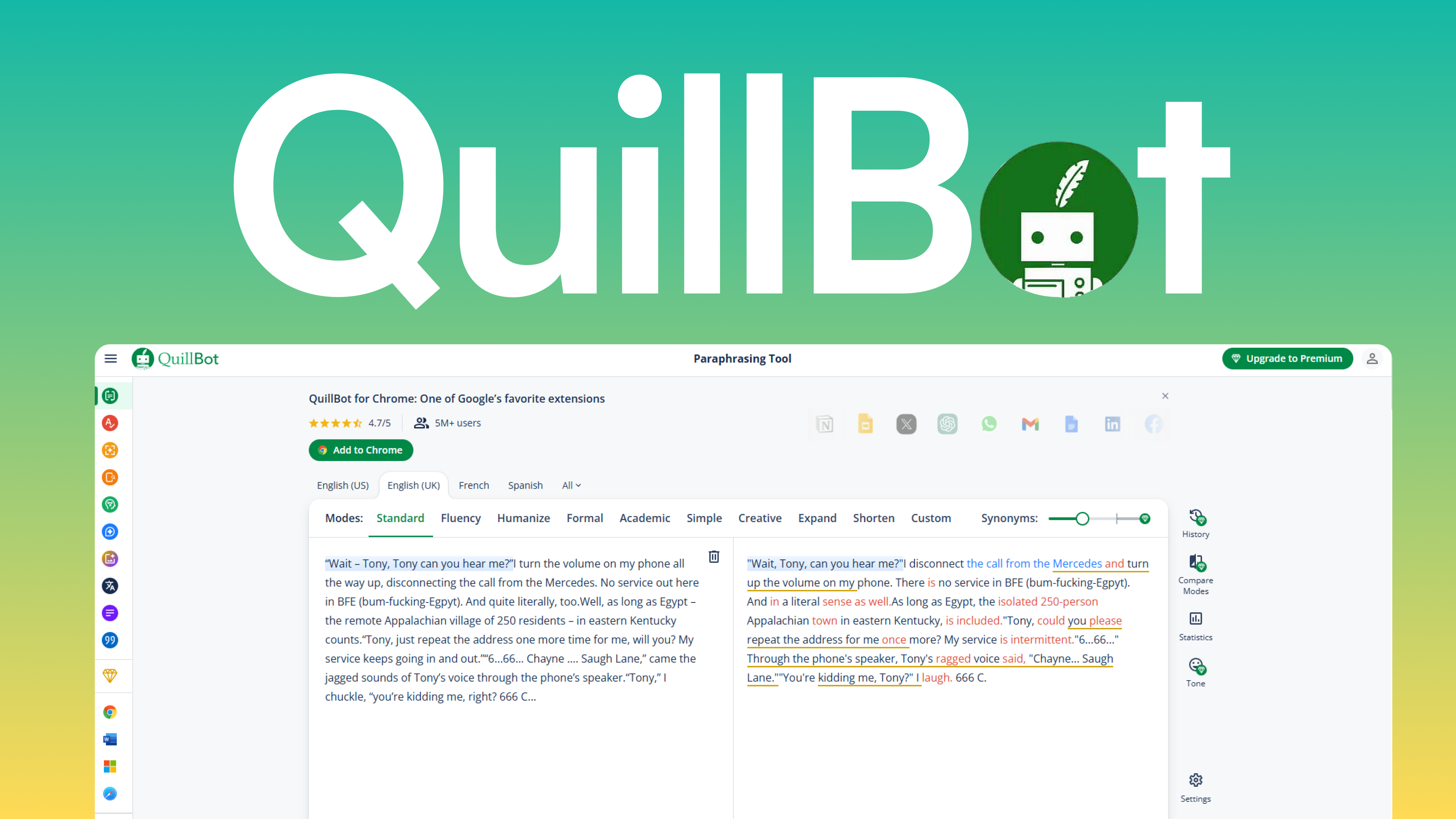
Grammarly is the default for most people, but QuillBot adds a few useful features worth keeping around. Beyond grammar checking, it can paraphrase content in multiple styles, detect and humanise AI-generated text, and refine your writing for clarity and tone.
It is a great companion for anyone who does not write for a living but wants to document ideas, notes, or thoughts efficiently. QuillBot helps you express yourself clearly while saving time and keeping your writing authentic.
Coming Up Next…
People often assume our core service is ghostwriting posts. The real differentiator lies in how we extract ideas worth writing about. It is not prompts or hints. It is deep, structured content interviews that uncover clarity, stories, and strategy.
Next week, we will explore why interviews outperform written inputs and how that shapes better content.
Till then, write for people, but plan for impact.


