
What To Do With Your Company Page in 2026

What You’ll Learn in this Issue
- Why a company page acts as a credibility layer that connects your brand, team, and founder presence
- How to use it to showcase culture, people, and vision instead of random updates
- Why low reach is normal and how balancing effort between personal profiles and company pages creates a stronger ecosystem
Company pages on LinkedIn often sit at two extremes. Some founders turn them into mini magazines of stories and culture. Others leave them untouched for months.
It raises a real question. What should a company page actually do?
Is it a place for rare announcements, day-to-day storytelling, or something more intentional? And if the reach is low, why bother at all?
Let’s simplify what a company page should be in 2026 and how to use it well.
Company Page = Credibility
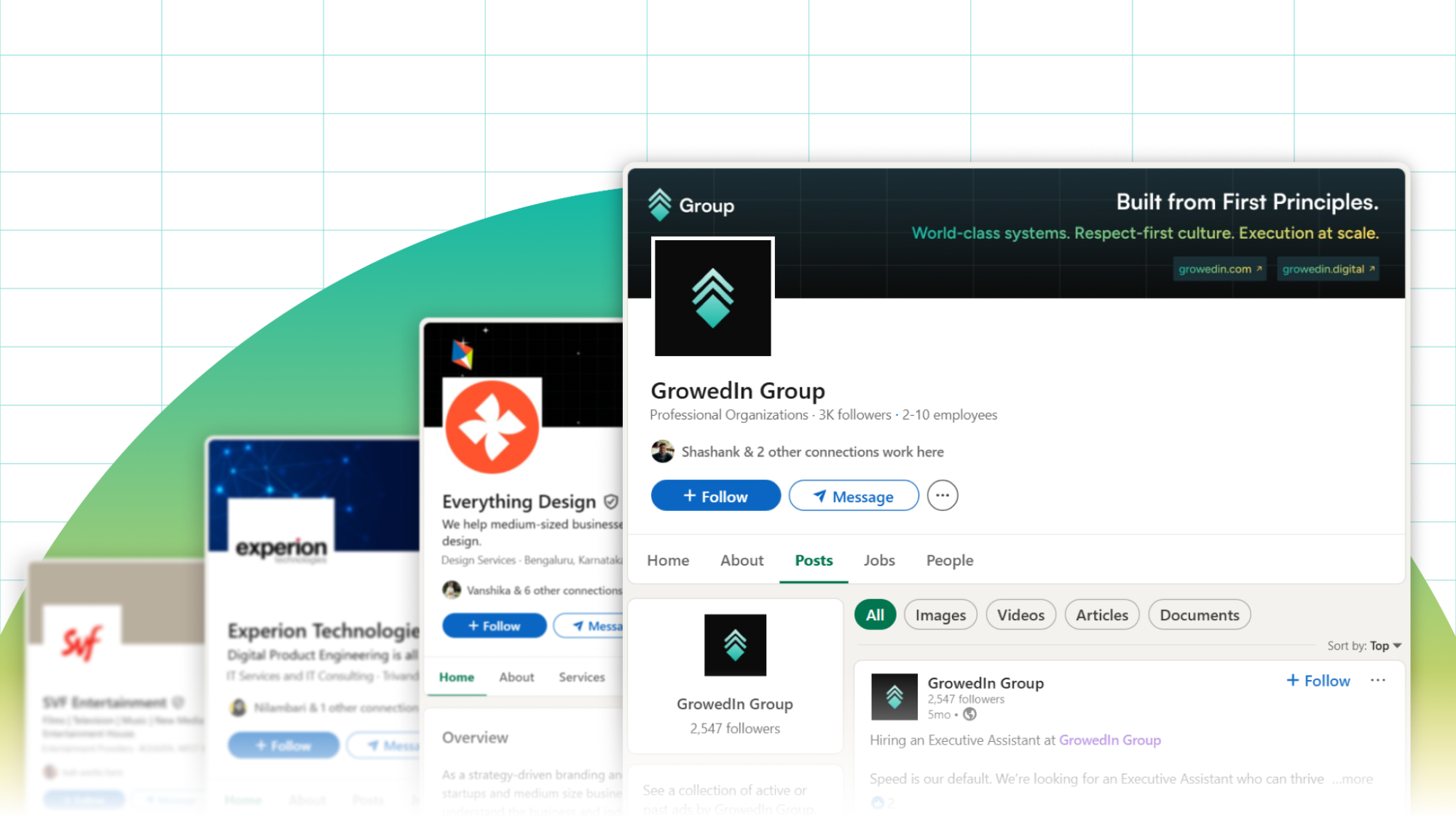
The first thing people look up after discovering your presence is your company page. And whether we like it or not, every business needs one.
Your company page is what makes you look legitimate. It signals that you are an actual business, not just an individual with a strong idea. It connects the dots by linking the founder, the team, and the brand into one credible story.
When employees tag the company in their experience, it builds legitimacy on both sides.
A well-kept company page builds trust, improves discoverability, and gives your team a central hub for sharing updates worth resharing.
Make It an Exhibit of Culture
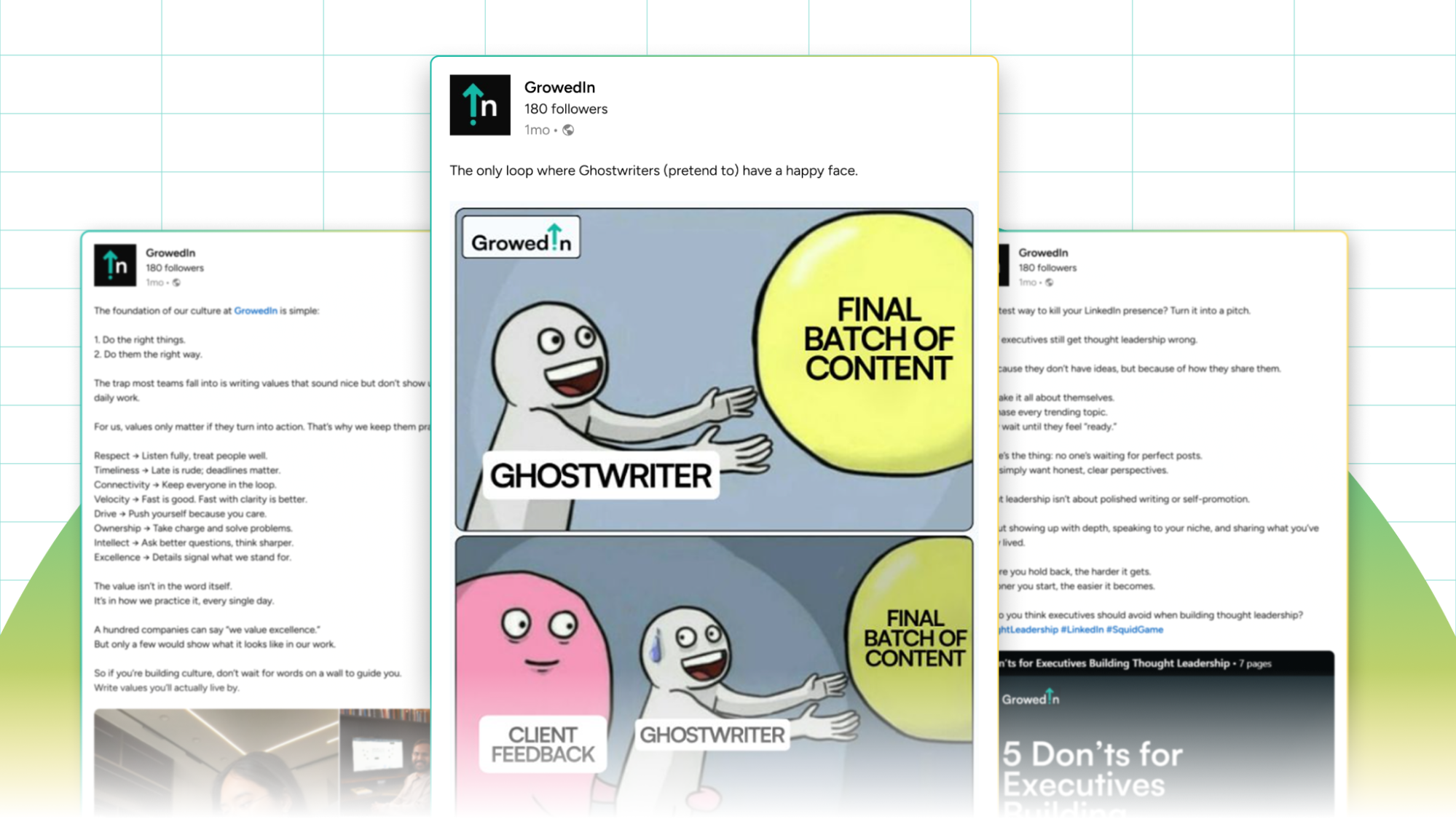
Your company page is best used to show who you are, not for random updates.
Highlight your culture, your people, and even the small inside jokes that make work enjoyable. Share stories, team moments, and the experiences your employees relate to.
It is also the perfect space to talk about your vision and invite others to be part of it.
Organic Reach Is Low, and That’s Okay
LinkedIn prioritises ads and personal profiles, so company pages naturally get lower organic reach.
But that is not a reason to abandon them. It is simply a signal to rebalance your effort.
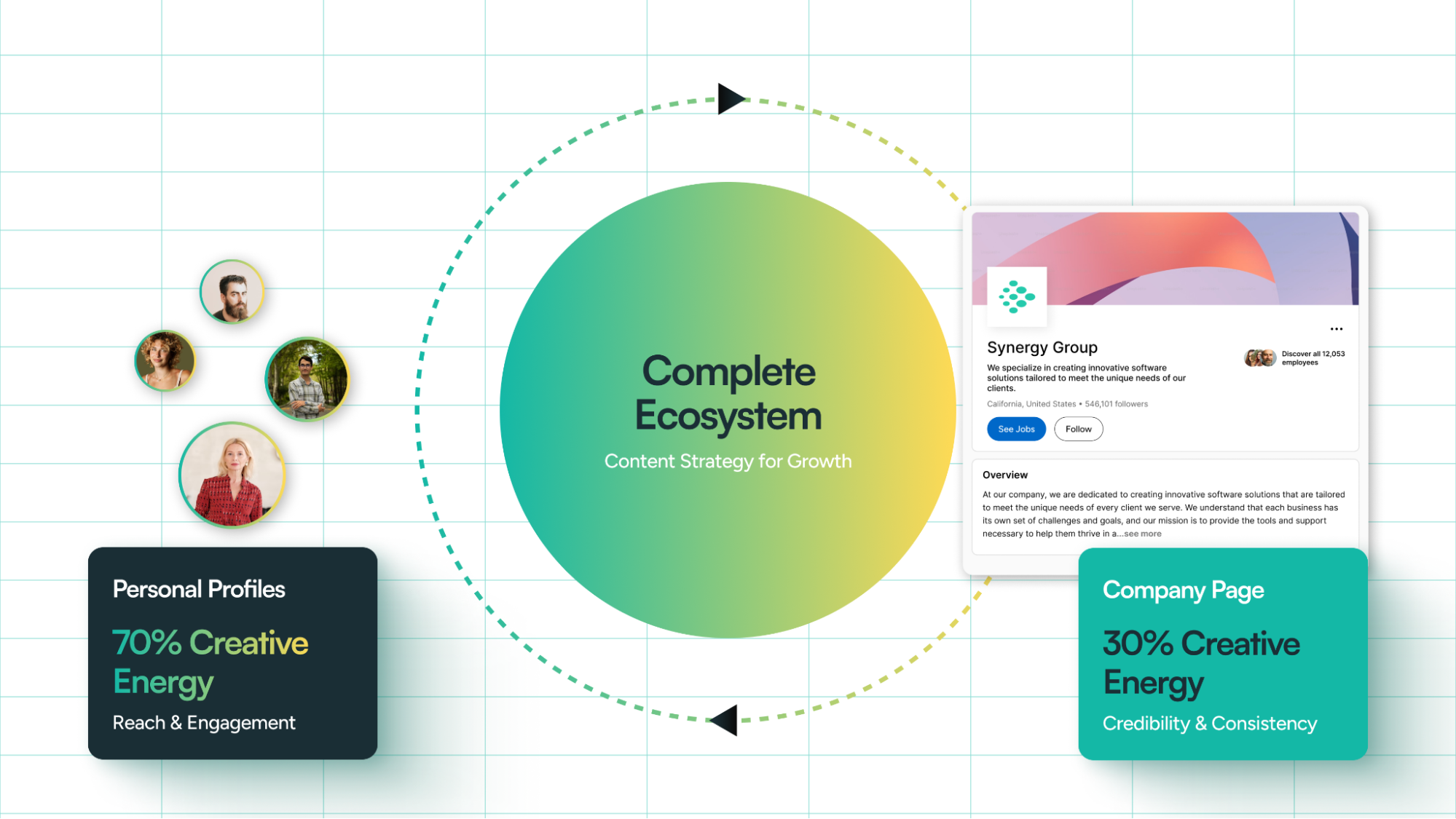
If you treat your total content output as 100%, put 70% of your creative energy into personal profiles and 30% into the company page for credibility and consistency.
Together, they create a complete ecosystem.
Here is the upside. When your company page does reach people, they are usually the ones who care about your brand. The audience may be smaller, but the quality is higher.
Do not overthink it. Keep a company page, tell your brand’s story there, and maintain a tone that is distinct from the founder’s voice. Make it the default.
Executive Spotlight
Harsh Kumar, Co-Founder and Managing Partner of Zvest Financial Services LLP, brings nearly two decades of experience to the world of wealth management, along with a touch of creativity as a fiction writer.
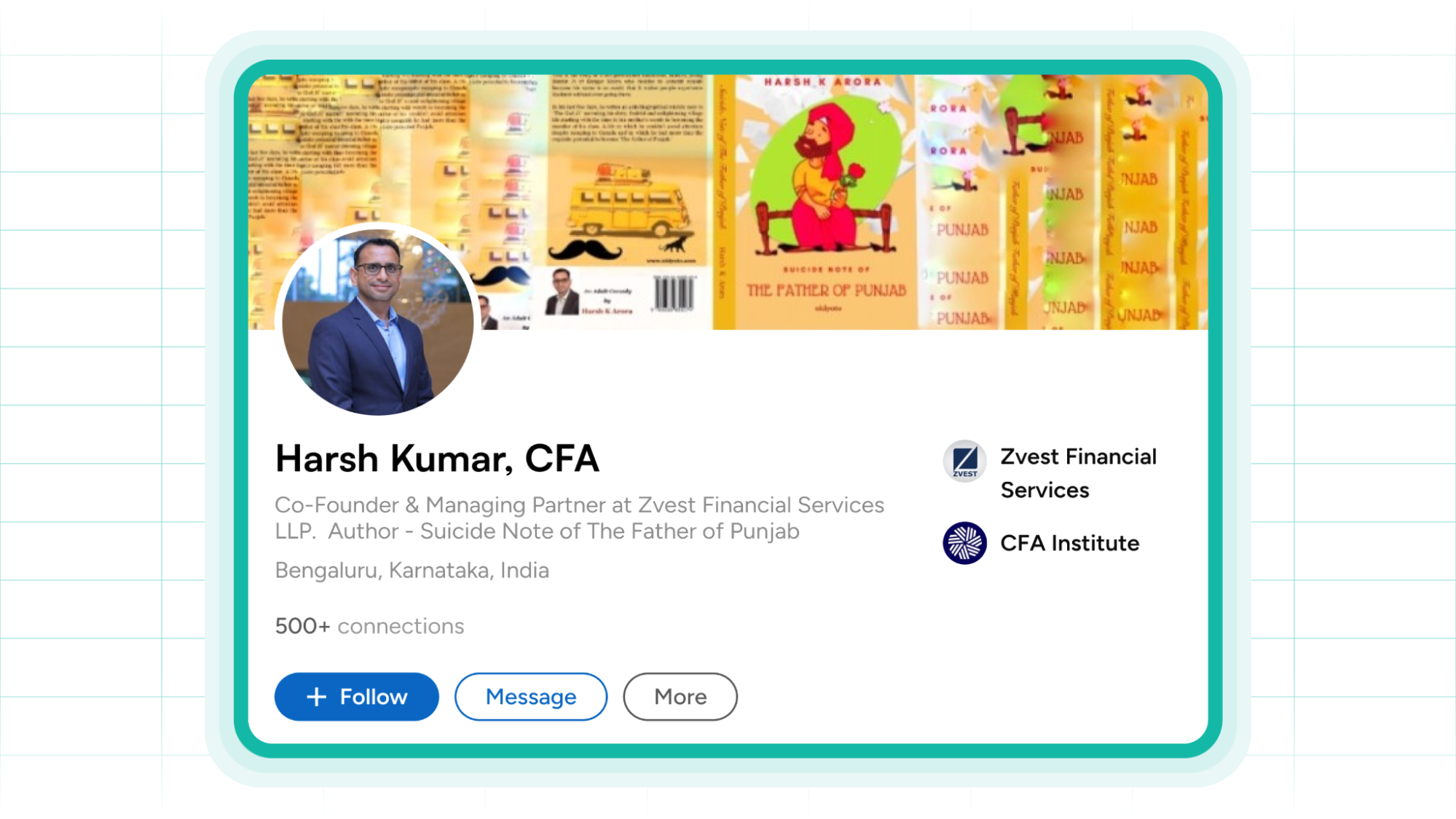
On LinkedIn, Harsh blends financial wisdom with storytelling, often drawing parallels between everyday moments and timeless investment principles. In this post, he uses a simple filter coffee analogy to explain a financial insight with clarity and charm.
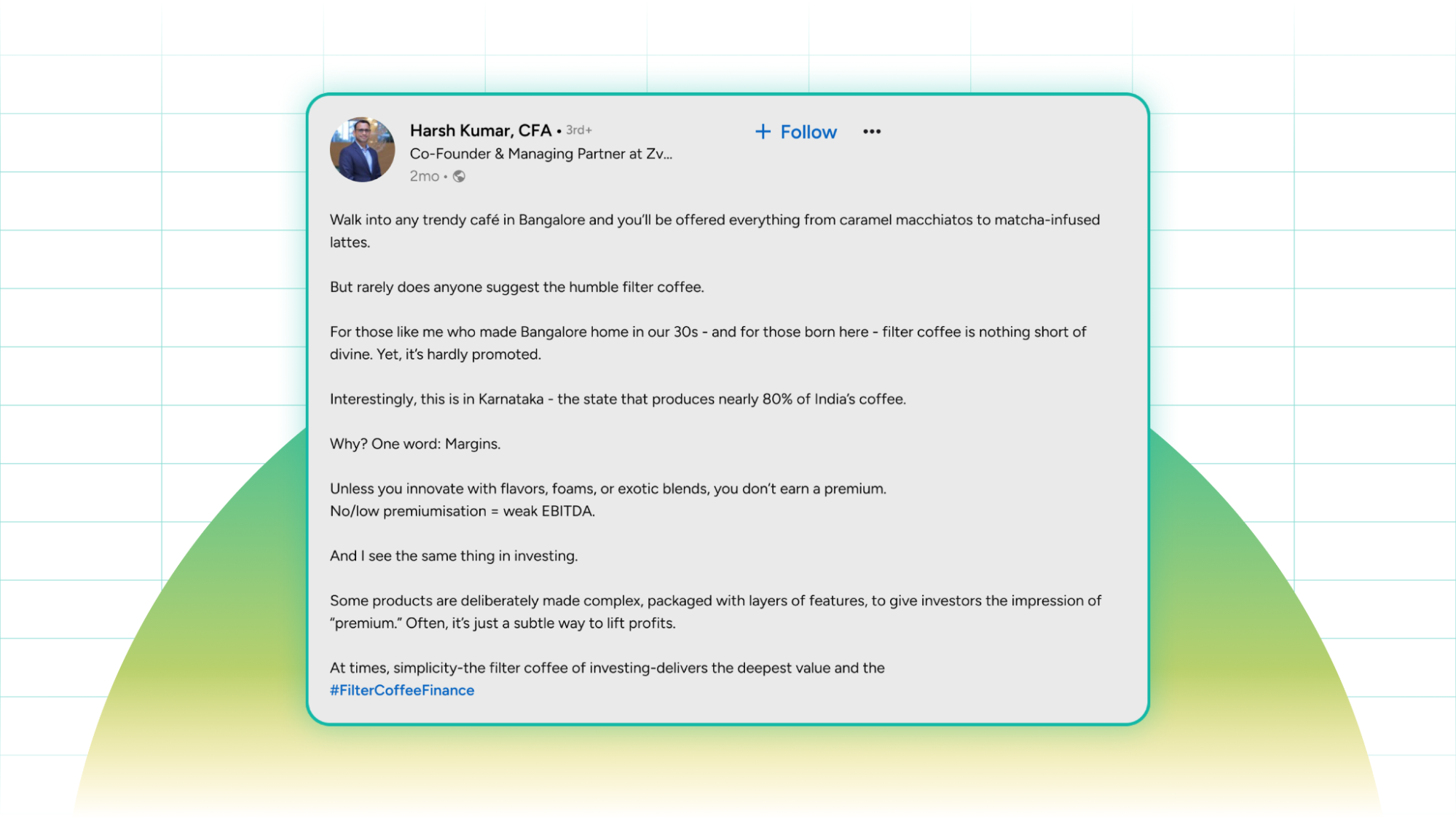
He is a great follow for professionals, investors, and entrepreneurs who want finance presented in a way that is relatable, thoughtful, and refreshingly human.
Resource of the Week
ClickUp AI is an all-in-one workspace for managing tasks, documents, and communication, now enhanced with built-in AI.
You can summarise documents, auto-generate next steps, and set up smart agents that handle routine updates.
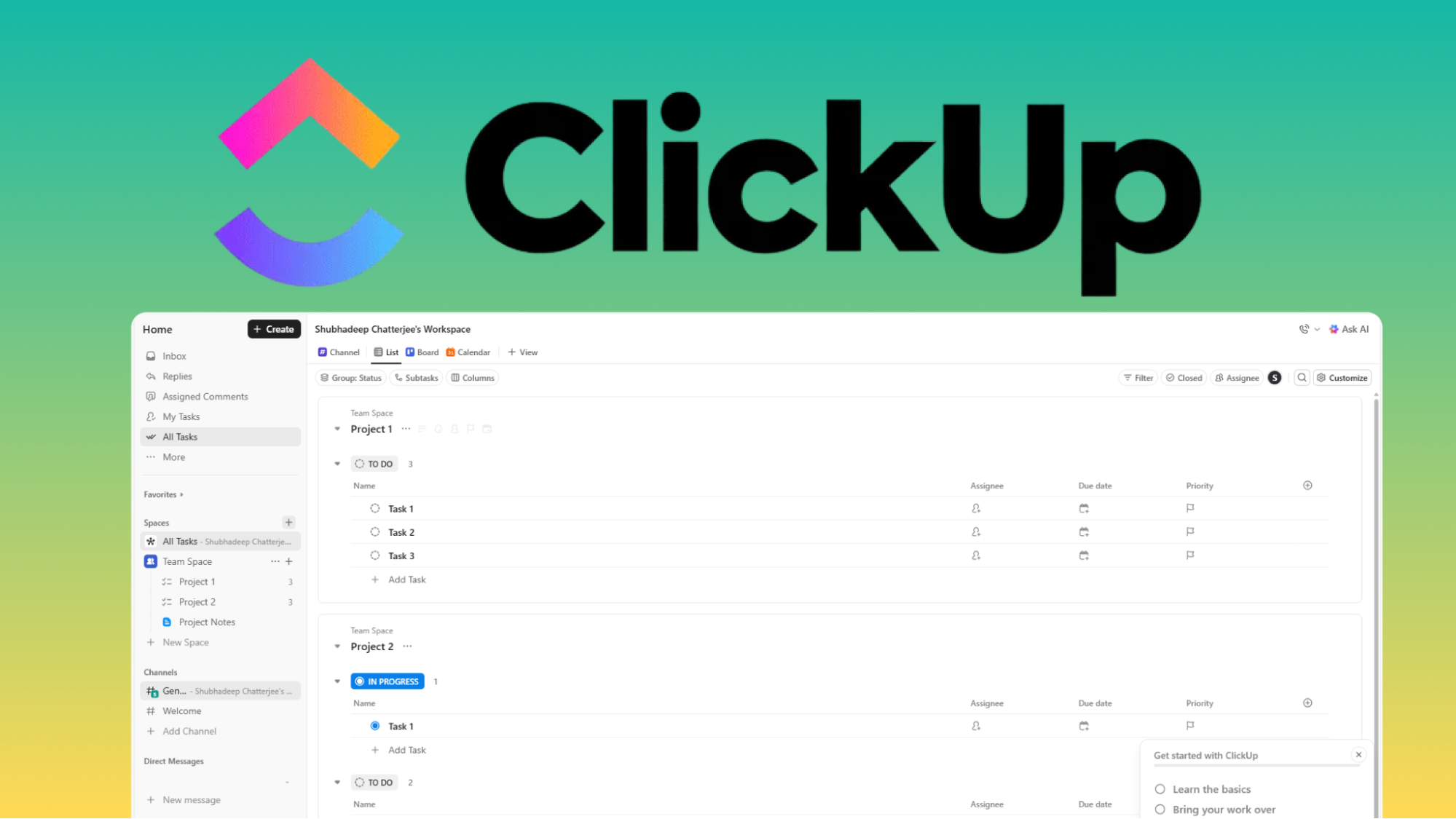
The base plan is free, with AI features available as paid add-ons.
It is worth trying if you want one workspace that organises your projects and supports your thinking.
Coming Up Next…
LinkedIn rewards engagement, but is it really the short, polite comments that make the difference?
In next week’s issue, we will explore how to comment meaningfully without sounding performative or insincere.
Till then, stay active on your profile, and start bringing your company page into the mix too.


