
How to Tell Your LinkedIn Strategy Is Off Track

What You’ll Learn in this Issue
- Why high activity on LinkedIn can still lead to low impact if it doesn’t translate into real opportunities
- How poor positioning and irrelevant networks dilute your authority and visibility
- Why clarity, authenticity, and meaningful conversations matter more than chasing numbers or virality
Some people treat LinkedIn like a part-time job: set posting times, scheduled comments, rapid-fire DMs, and consistent networking. It works, and the numbers spike.
But the real question is: are these the results you actually wanted?
Building on LinkedIn the executive way is a long game. It’s about growing a high-quality network, shaping your authority, and opening doors to meaningful opportunities. Sometimes, the intensity you bring to LinkedIn becomes the very thing that works against you.
Let’s spot the weeds early before they take root.
1. Engagement Without Impact
Your likes, comments, and follower count are climbing. But when you pause and ask yourself what LinkedIn delivered this month – opportunities, conversations, invitations – you’re not sure.
High numbers without real outcomes are noise, not progress.

2. Irrelevant Connections Diluting Your Network
When your feed feels chaotic, full of unrelated industries and random content, it’s a sign your network is drifting.
This not only clutters your experience; it scatters your visibility across audiences that don’t matter.
A doctor, a musician, a student, a developer – all in one chaotic feed makes LinkedIn feel like just another scroll.

3. Perceived as Pretense
When people who know you well feel your profile doesn’t sound like you, it’s a strong negative signal. This disconnect can undermine both your credibility and the perception of your expertise.
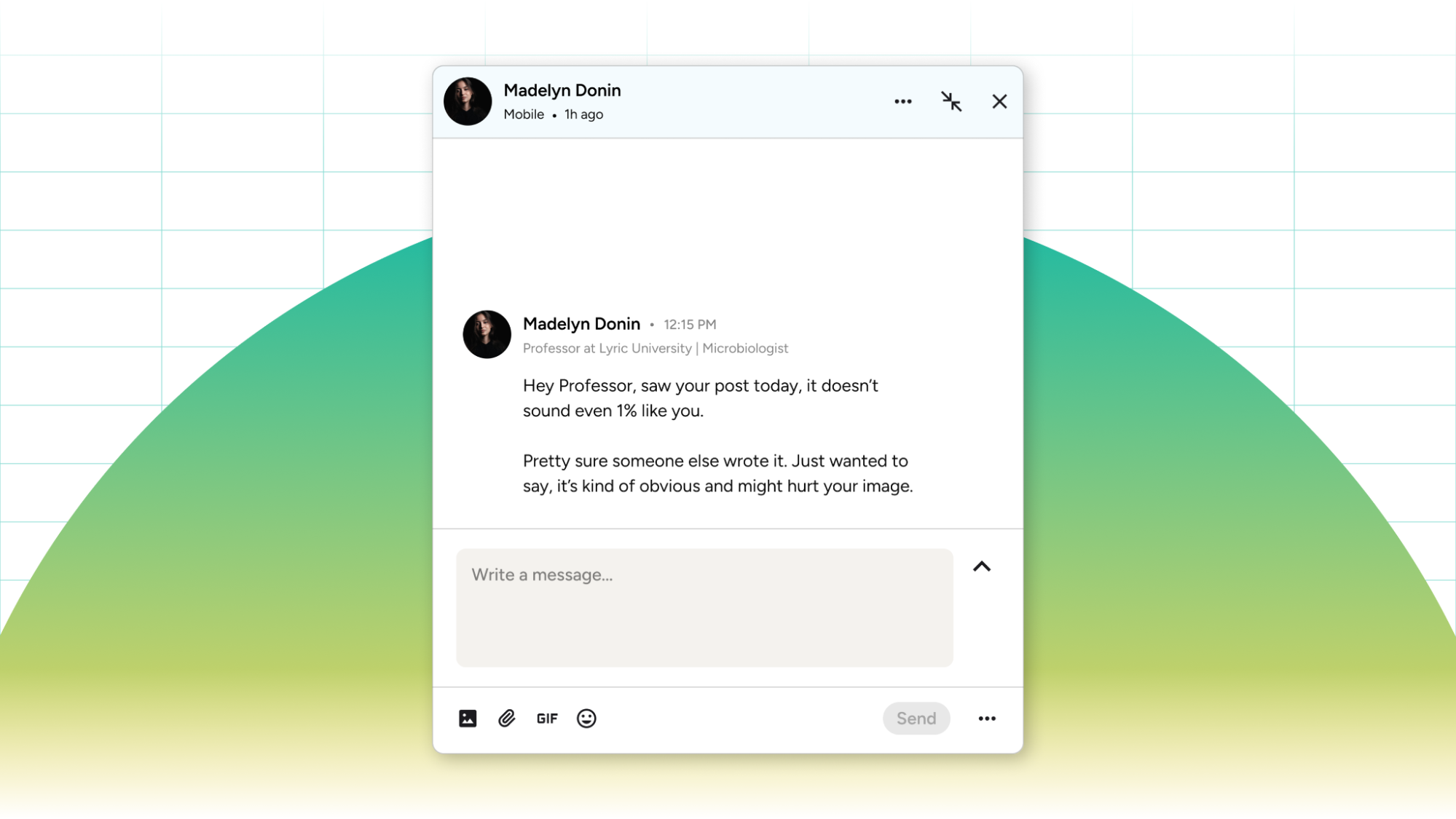
4. Your Voice Isn’t Heard
You may have strong opinions and deep insights but if your content reads generic (often due to overusing AI), your authority gets lost. A profile without a point of view becomes forgettable.
5. Your DMs Look Like This
Most inbound messages are random pitches, irrelevant connection requests, or generic sponsored posts. When your content pillars resonate, DMs shift. They become conversations, collaborations, and referrals.
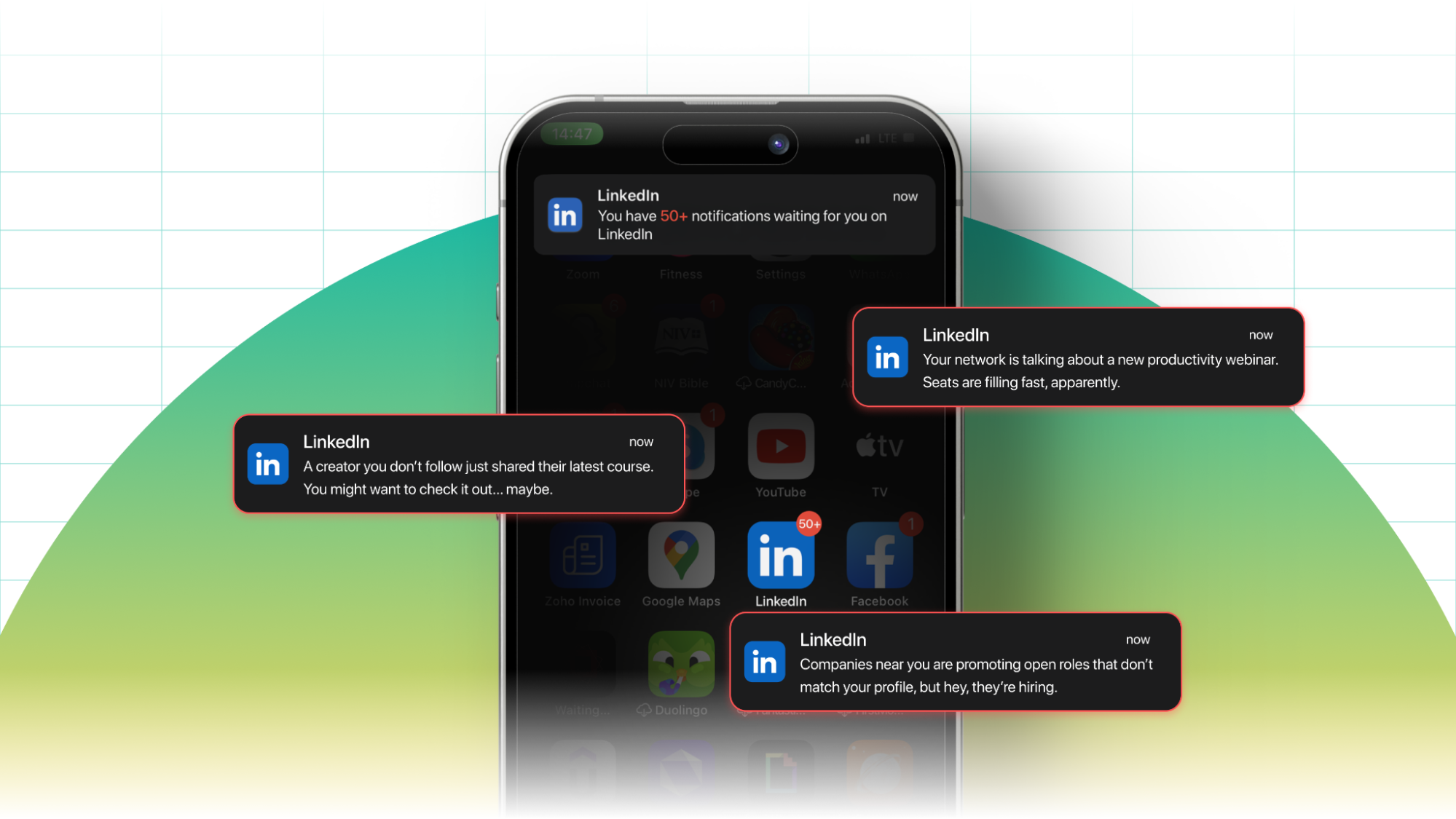
6. You’re Scrambling for Ideas
Struggling in the first few months is normal. Still scrambling six months later? That’s a sign you haven’t built rhythm, clarity, or a sustainable routine.
It usually points to loose pillars, weak positioning, or simply not enjoying the process.

Virality should be the last thing on your mind. What matters are the conversations, relationships, and opportunities your presence attracts.
LinkedIn is like passive income. Set up the right systems, stay consistent, and over time, the compounding becomes obvious.
And if you don’t have the bandwidth, bring in the right people to build and manage it properly.
Executive Spotlight
Mitul Shah is a creative leader with experience across Europe and the Middle East, having worked with global brands such as IKEA, Nestlé, PlayStation, and Volvo. Now based in India, he leads Calculated Chaos, a branding agency.
On LinkedIn, Mitul shares witty takes on branding, positioning, and agency culture, challenging clichés and revealing the thinking behind real creative leadership.
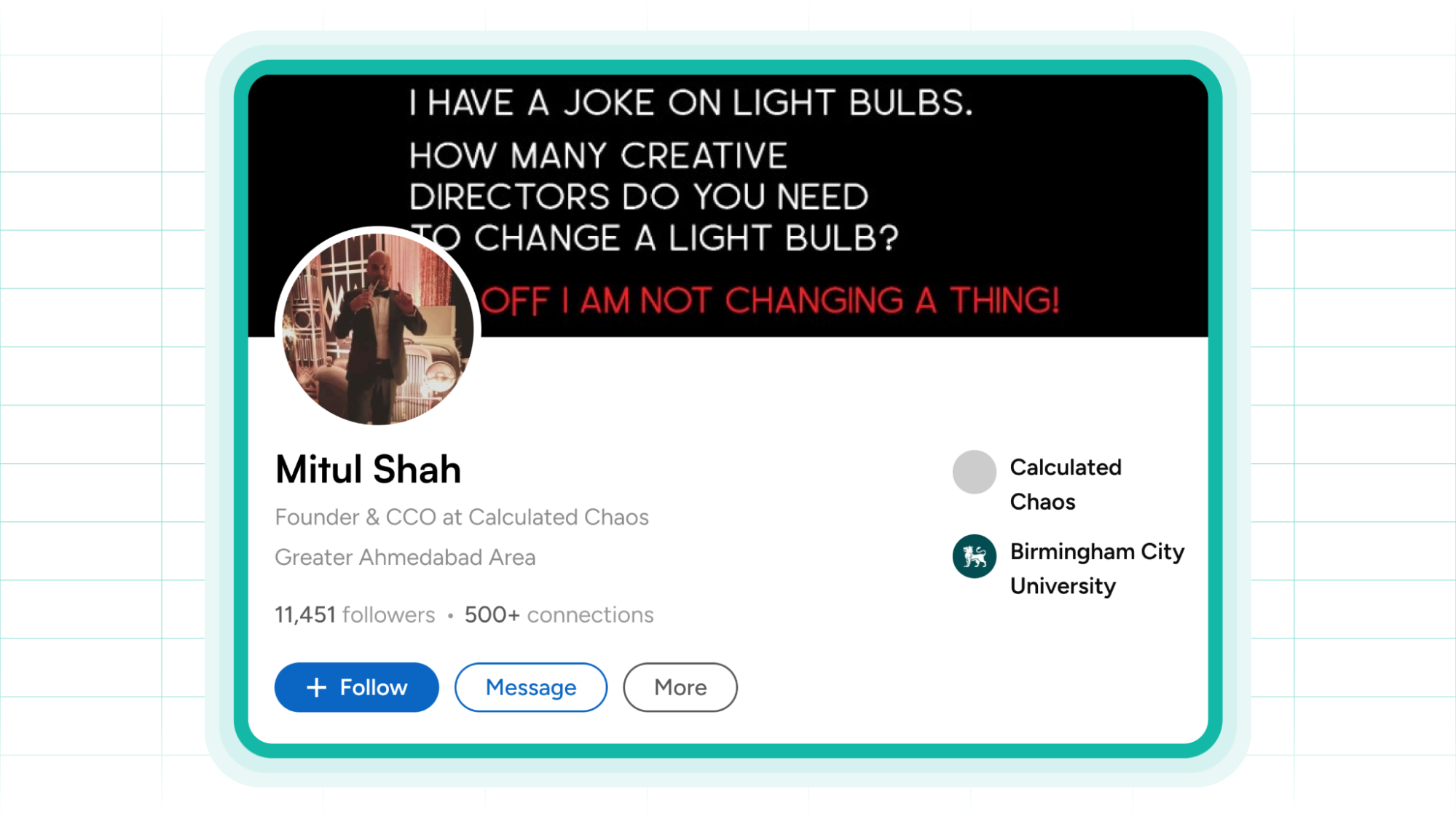
In this post, he calls out forced humor in advertising, highlights the value of clarity over cleverness, and explains what truly drives brand impact.
For authentic, no-nonsense insights on branding and agency dynamics, his profile is worth following.
%20(1).png)
Resource of the Week
Paul Graham’s essay “How to Do Great Work” is a timeless piece on choosing work that aligns with your natural aptitude, deep curiosity, and potential for meaningful achievement, and then committing to doing it exceptionally well.
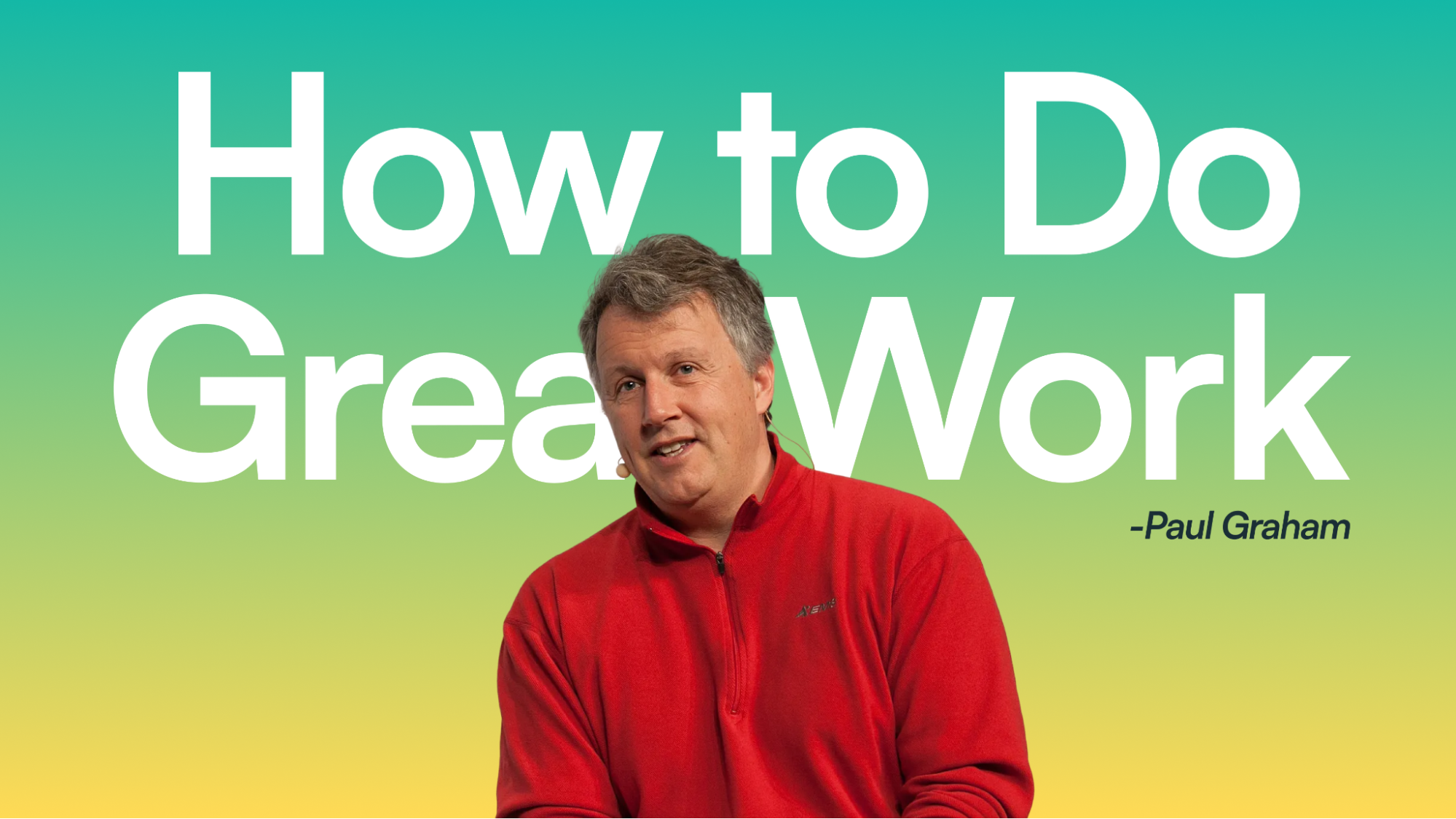
It’s a great entry point into his essays, offering a direction, practicality, and insight.
Coming Up Next…
When you lead a company, your culture flows naturally into your team’s behavior, and LinkedIn becomes the place where that culture is on display, whether or not you intend it to be.
In the next issue, we’ll unpack exactly how that happens.
Till then, remember: Spotting the wrong direction is often more revealing than chasing the right one.


