
What Will Not Work on LinkedIn in 2026

What You’ll Learn in this Issue
- Why certain content formats fade as audience behaviour shifts and the algorithm follows
- Which tactics are losing effectiveness, from generic AI content to clickbait and formatting gimmicks
- Why thoughtful, relevant, and credible content is now the key to maintaining reach
When people lose interest in a certain format, the algorithm follows.
LinkedIn reinforces this shift through machine-learning signals, engagement drops, member reports, and human review.
Today, let’s look at the types of content that once performed incredibly well on LinkedIn but are now quietly fading out as both creators and readers move on.
The AI Fatigue
When the tools were new, everyone rushed to use them. But people soon realised this was eroding the core of personal branding and individuality.
As voices began to sound the same, creators became more intentional.
In 2025 and beyond, AI won’t disappear, but its use will become more mindful and personal, driven by the fear of blending into one indistinguishable tone.
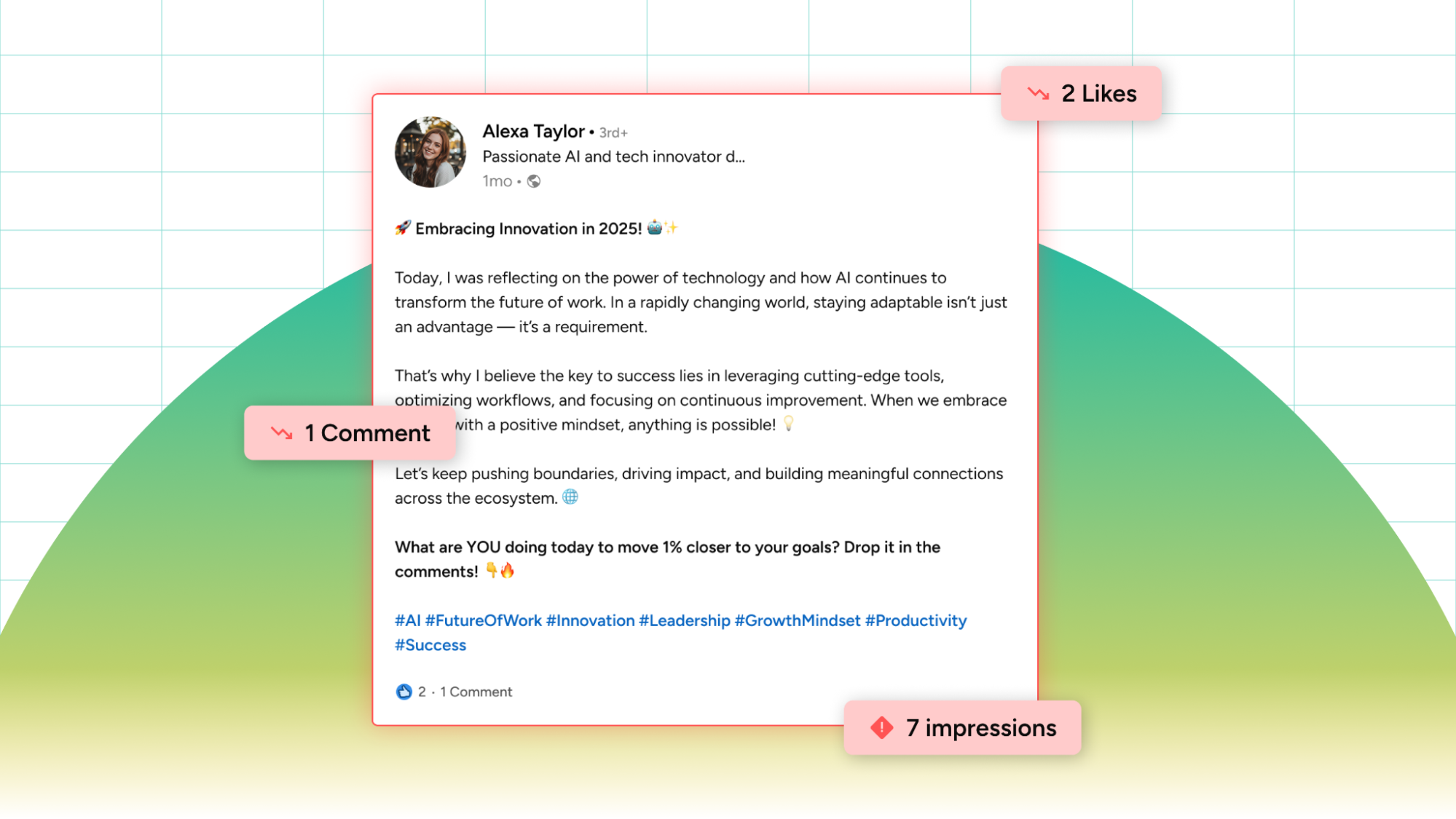
Pushy Language Is Fading Out
LinkedIn has moved past overt, rushed language.
Engagement bait like “comment below” or irrelevant hooks doesn’t work anymore. Audiences are more selective. They want intention, not pressure.
Thoughtful, insight-led openings now outperform aggressive CTAs, and the algorithm reflects this by down-ranking content that feels manipulative or disconnected.

The Format People Outgrew
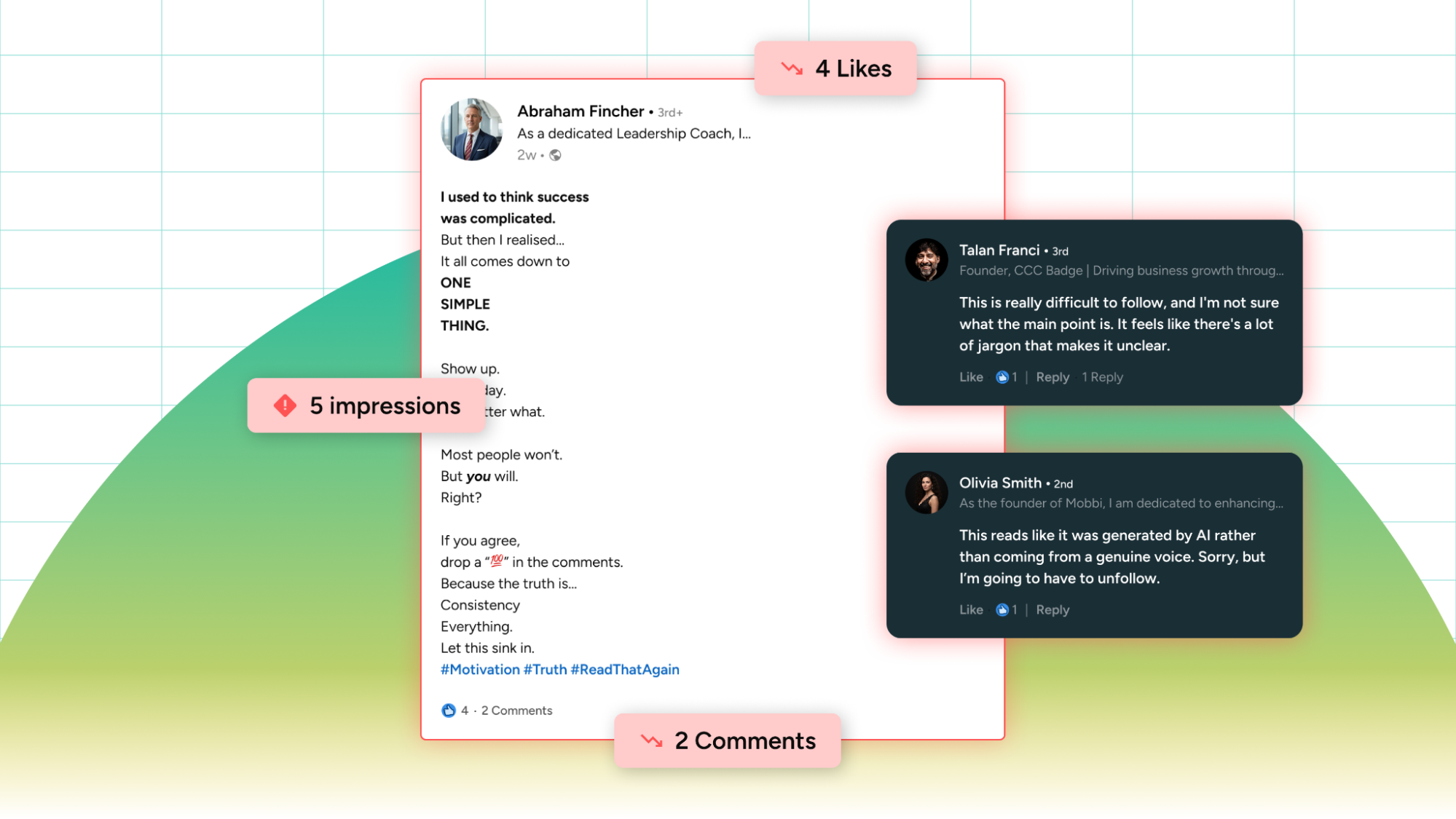
There was a time when breaking every sentence into a new line was the secret to going viral.
But the charm of “broetry” has worn off. Readers now spot formatting gimmicks instantly and scroll past them just as fast.
LinkedIn’s algorithm has adapted, down-ranking posts that rely on spacing tricks instead of substance.
Today, clean structure and clear thinking outperform dramatic formatting every time.
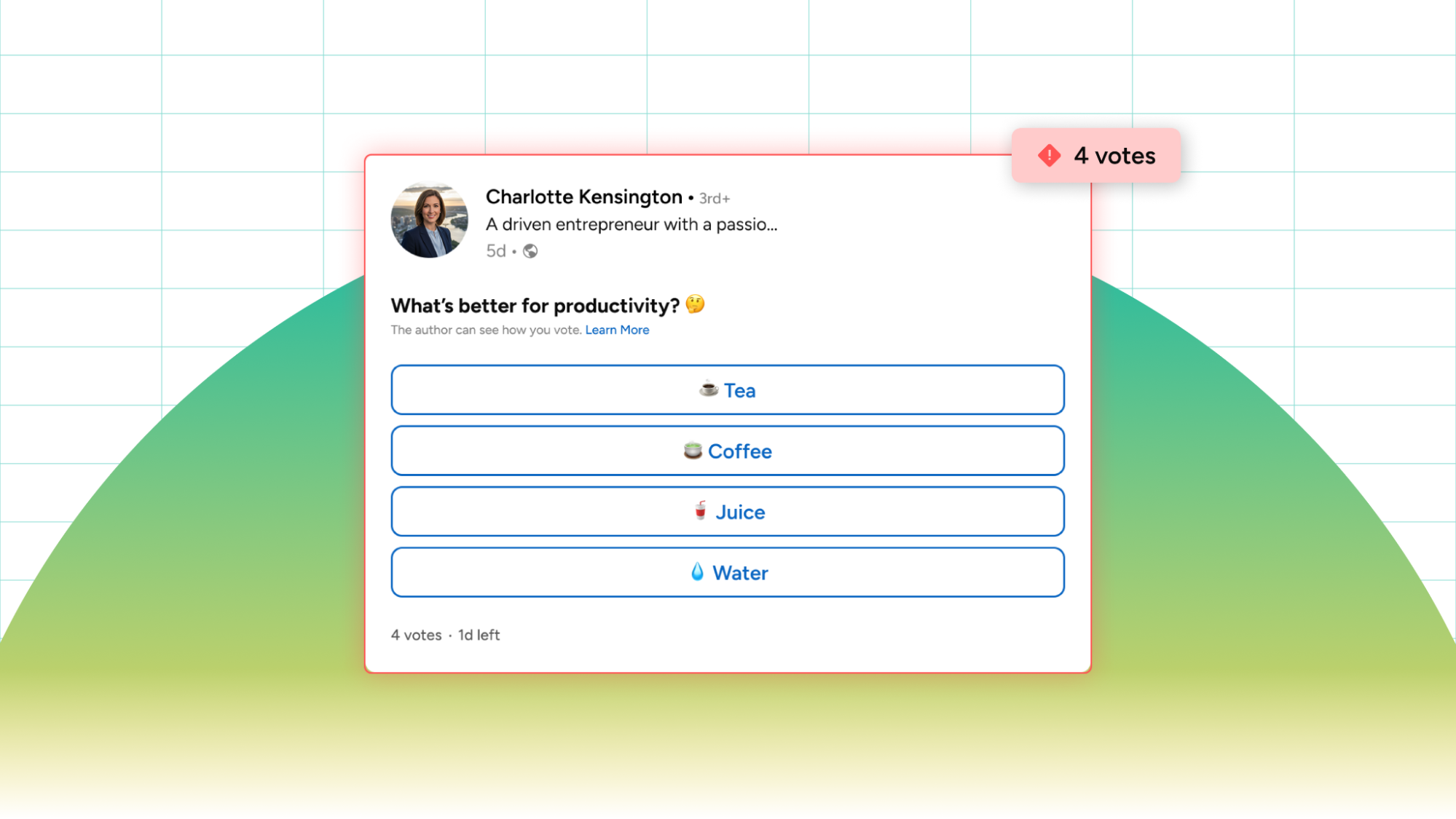
Generic Polls Don’t Work Anymore
Polls once dominated LinkedIn because engagement was almost guaranteed, even when the question added no real value. But audiences grew tired quickly.
Pointless polls now receive low interaction, which signals low relevance to the algorithm. Many are also flagged as spam, pushing their reach down even further.
Only thoughtful, niche, insight-driven polls perform well today.
The First to Get Filtered Out
Clickbait once worked because reactions, even negative ones, boosted reach. That’s no longer the case.
With rising misinformation, LinkedIn now uses multi-layered systems that assess meaning, accuracy signals, reports, and engagement quality.
If a post is vague, exaggerated, or misleading, it gets suppressed early.
Audiences also scroll past clickbait faster, reinforcing the algorithm’s filters. Credible, grounded content now travels farthest.
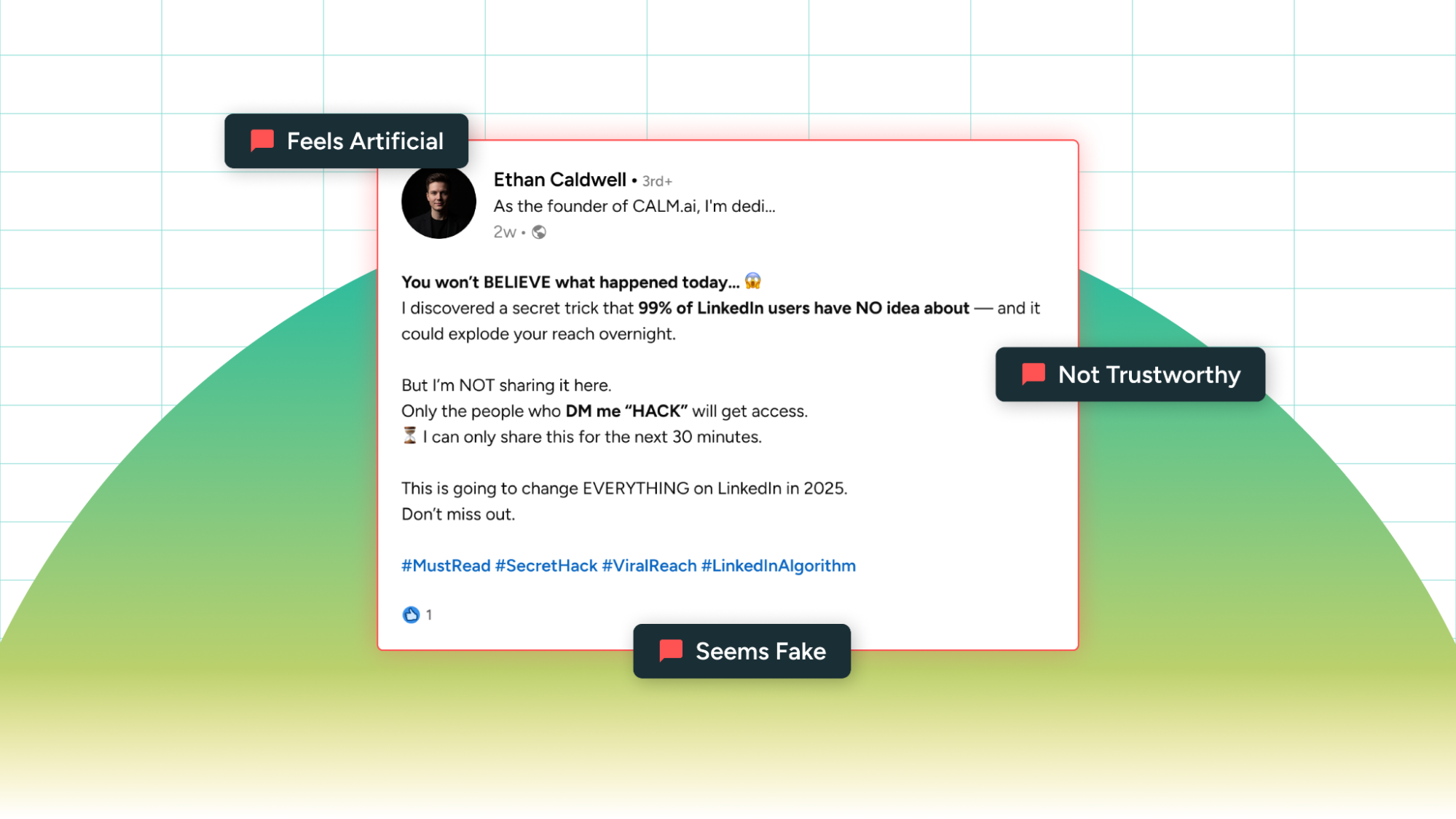
Knowing what LinkedIn is deprioritising is just as important as knowing what works.
Avoiding these fading formats helps protect your reach and keeps you aligned with how the platform is evolving.
These insights come from the latest The State of LinkedIn report, and we’ll keep simplifying them so you can stay ahead.
Executive Spotlight
Akshar Shah leads Fixerra with a mission to help digital businesses launch compliant banking products with speed and confidence.

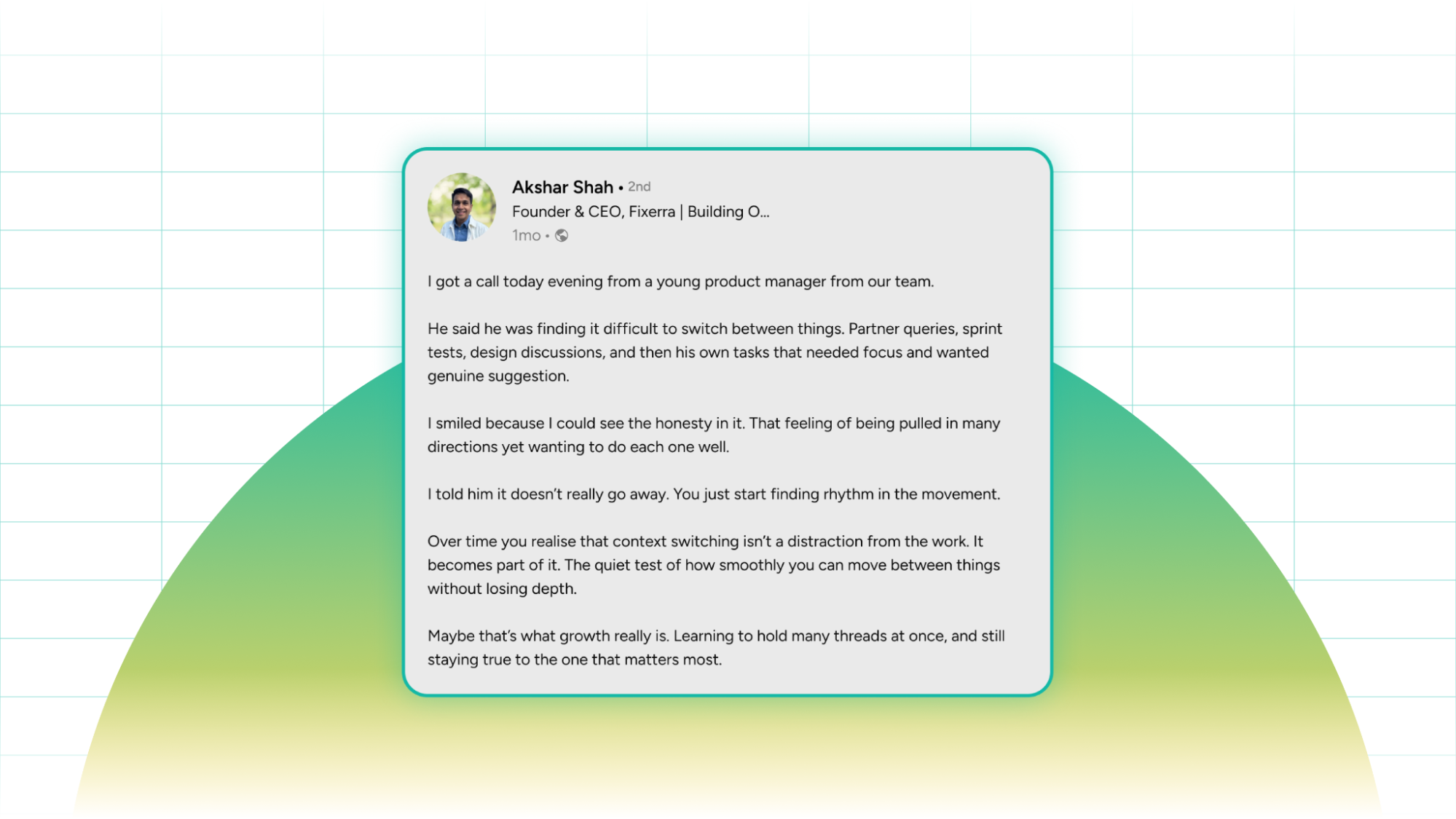
On LinkedIn, he combines sharp industry insights with honest stories about leadership and team building. A great follow for anyone building in fintech or tech.
For example, in a recent post where he reflects on a team member struggling with context switching, his writing leans into honest leadership moments rather than polished narratives.
Resource of the Week
Brand colours are fun until you can’t pick a palette.
Coolors lets you explore, shuffle, and visualise colour combinations instantly. It’s a handy tool to keep bookmarked for any branding or design sprint.

Coming Up Next…
LinkedIn Ads aren’t like Meta or Google Ads. They serve a very different purpose and reach a very specific audience. That’s why it’s important to understand what they actually do for different segments.
In next week’s issue, we’ll break down who should be running LinkedIn Ads.
Till then, prioritise everything except what the algorithm is deprioritising.


