
The Hidden Cost of Silence on LinkedIn

What You’ll Learn in this Issue
- Why staying silent on LinkedIn allows others to define your positioning and reputation
- How consistent visibility builds trust before key decisions like hiring, partnerships, or investments
- Why absence is still a signal and often works in favor of more visible competitors
Online visibility works like a political opinion. As an executive, when you don’t express one, you get assigned one.
When you don’t show up, you give competitors room to make you invisible. You also leave space for employees, clients, and the market to speak for you.
Let’s break down how a lack of public narrative allows others to define an executive’s or an enterprise’s reputation.
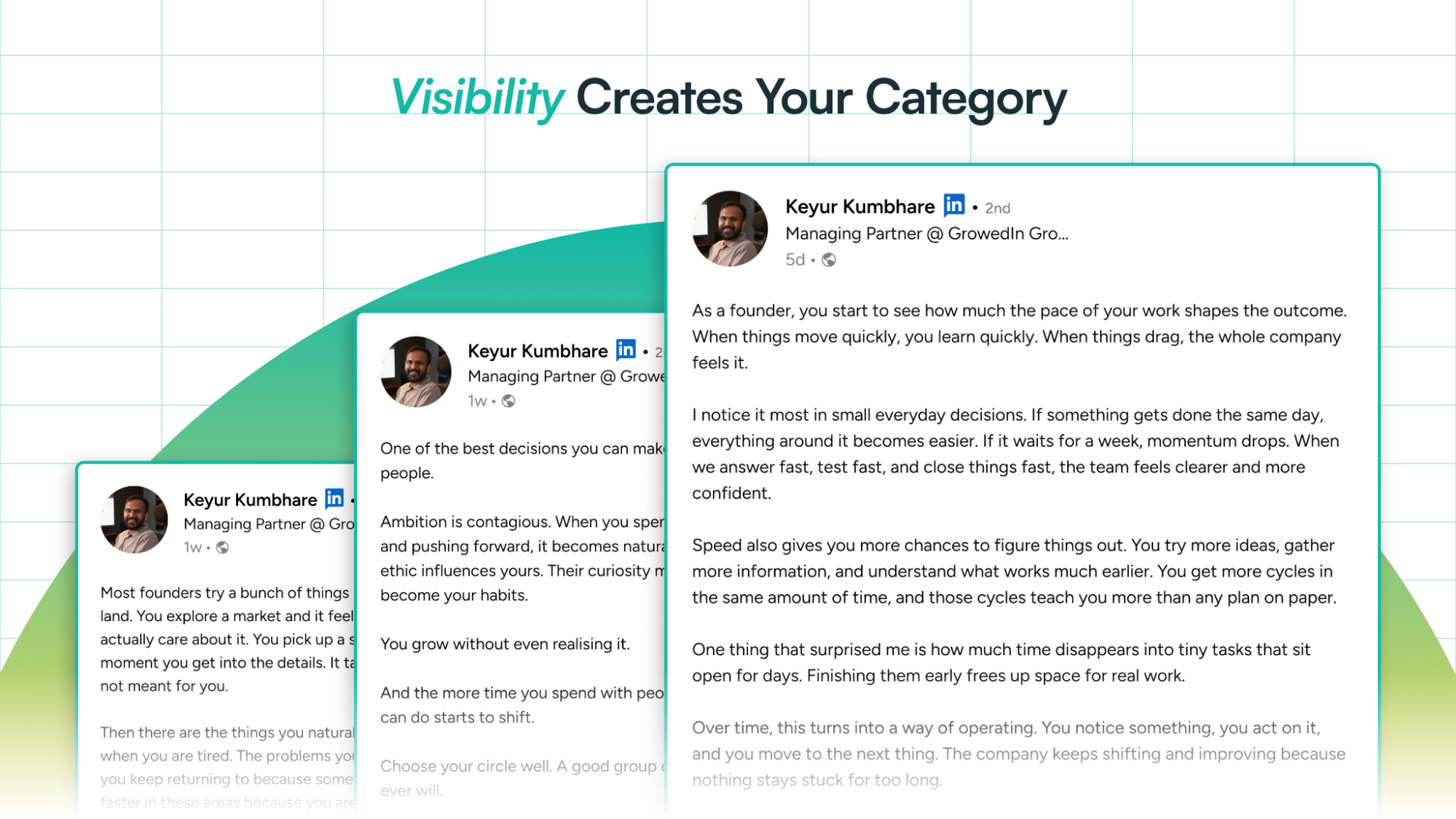
Silence Gets You Categorised
We live in a market where silence carries meaning.
When you have no visible voice, your value proposition is shaped by what others choose to show about themselves.
You get boxed into a category, and there’s no compelling reason for buyers, collaborators, employees, or investors to choose you over anyone else.
Executive visibility, especially on LinkedIn, helps you build a clear public value proposition. It signals what makes you different, how you think, and why you’re worth choosing.
They Look You Up Before They Trust You
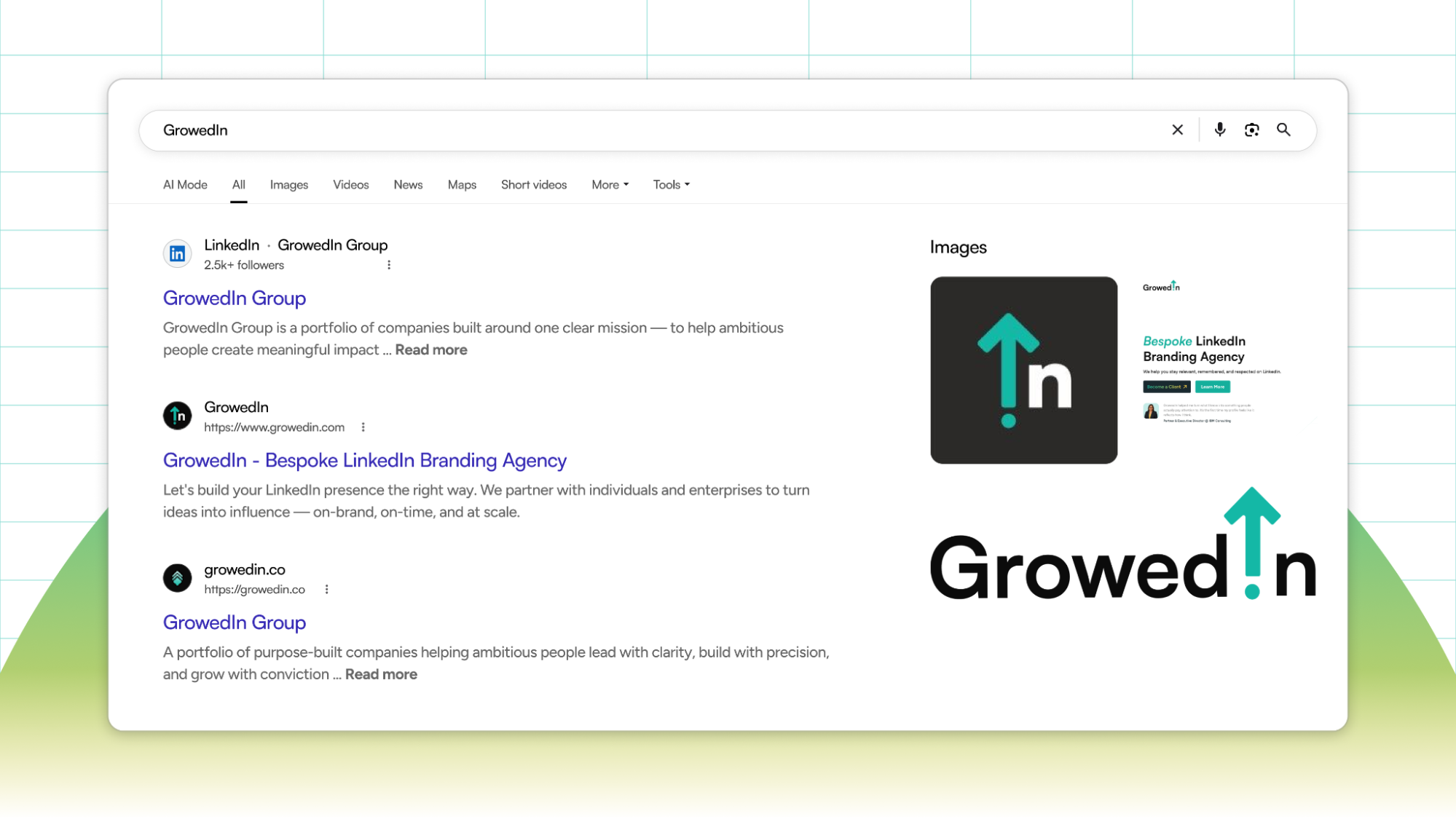
LinkedIn is often the first place people check.
Before an interview.
Before a partnership call.
Before bringing you into a deal.
Before offering you a board role.
Before investing in your company.
That first search usually happens on LinkedIn or Google.
Google surfaces LinkedIn quickly because it’s a high-domain platform with a strong identity graph.
Your LinkedIn Signals Who You Are
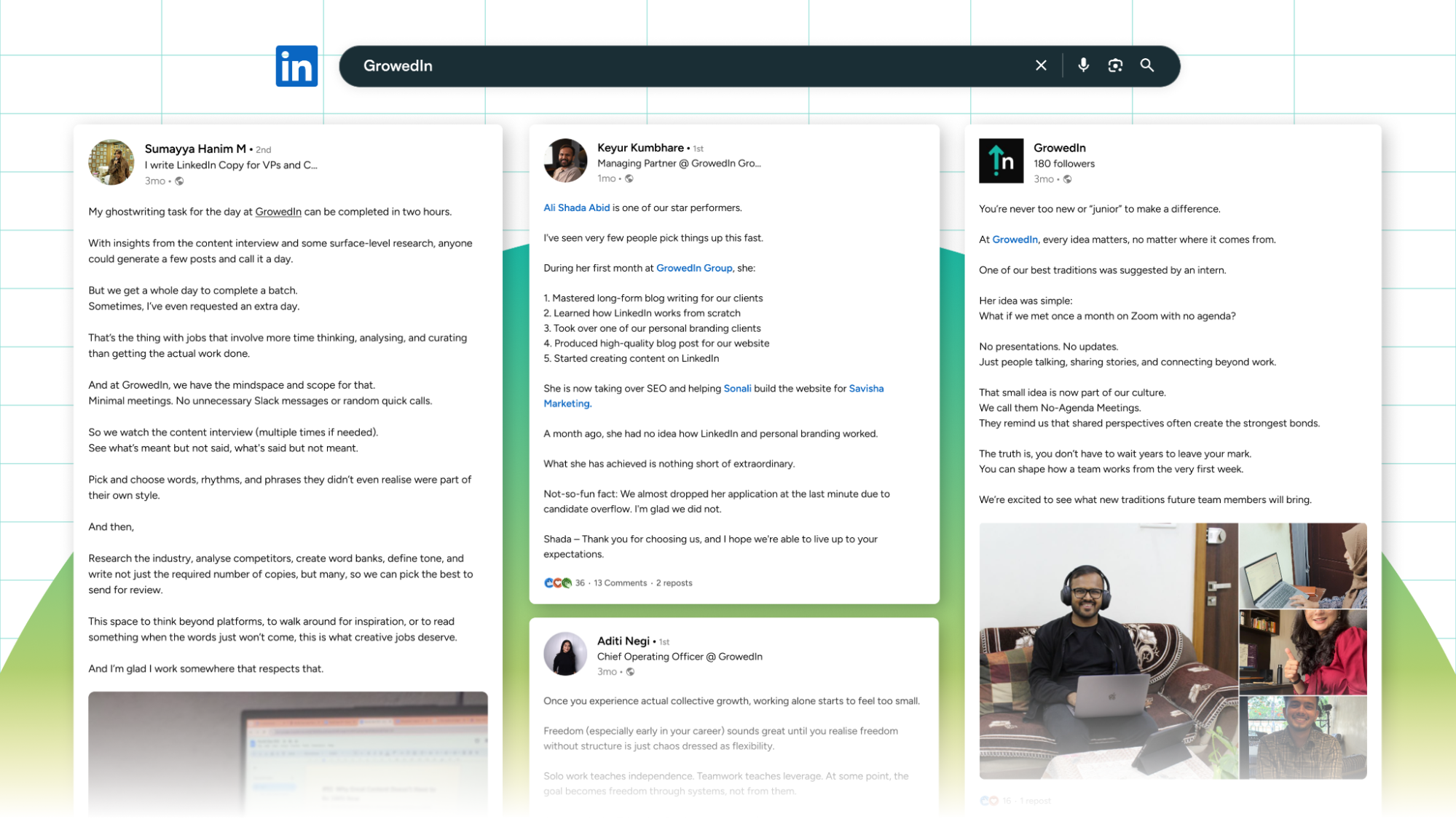
A thoughtful post about culture, a genuine employee appreciation moment, or a breakdown of industry challenges, these aren’t just content.
They build a narrative of competence, maturity, and direction.
Most companies say they want this narrative, yet the opportunity to shape it often sits untouched on their own executive profiles.
No Signal is Still a Signal
When you’re absent, people don’t receive these signals.
And when your competitors show up consistently, it becomes easier for buyers, collaborators, or talent to choose them over you.
Silence doesn’t just imply incompetence. It actively advantages others.
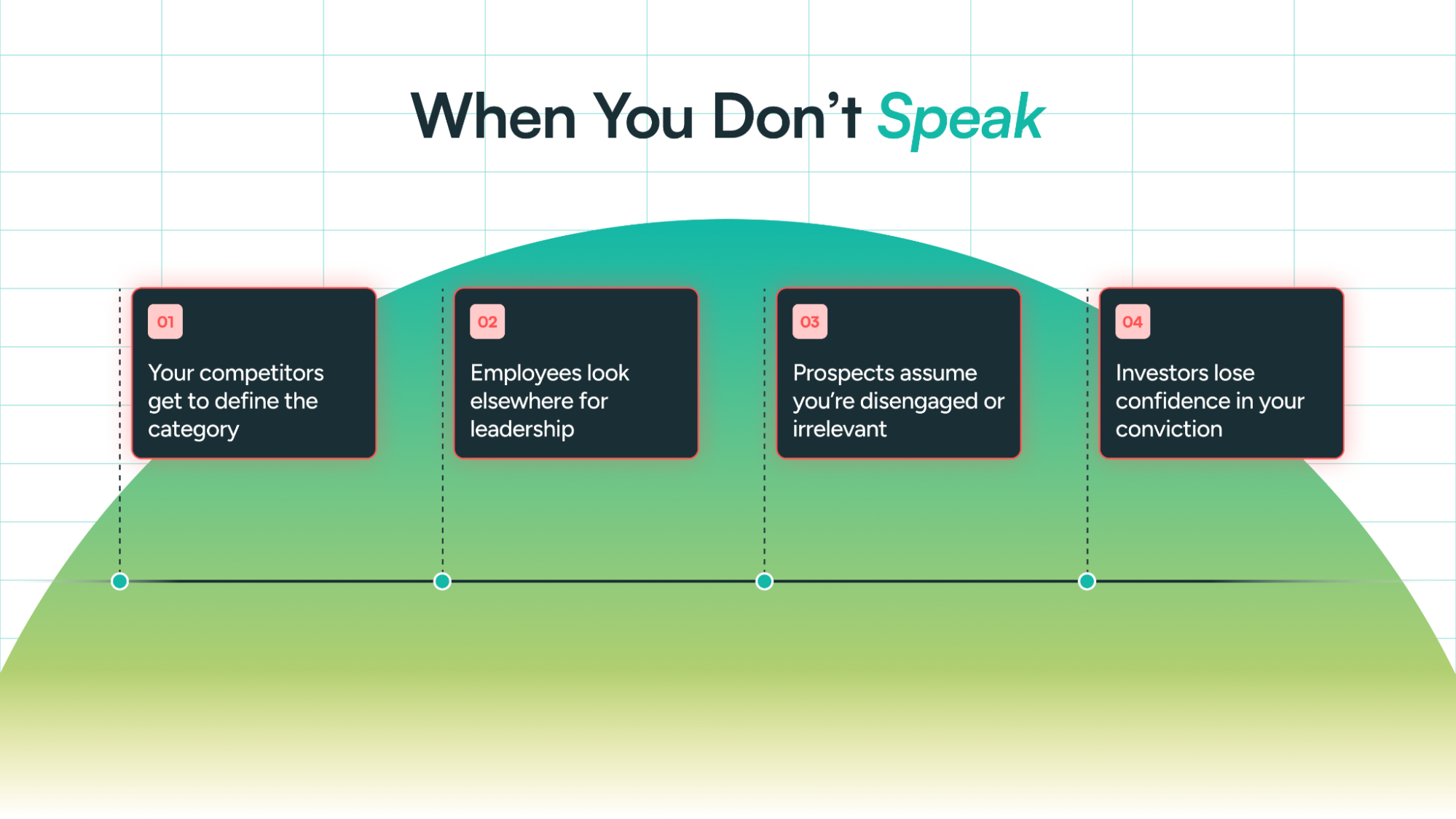
Invisibility is often interpreted as disinterest or stagnation, even when neither is true.
Executive Spotlight
Bill Kenney is a brand strategist who talks about branding in terms of how it shapes real business outcomes.
On LinkedIn, he shares principles that executives can apply immediately.
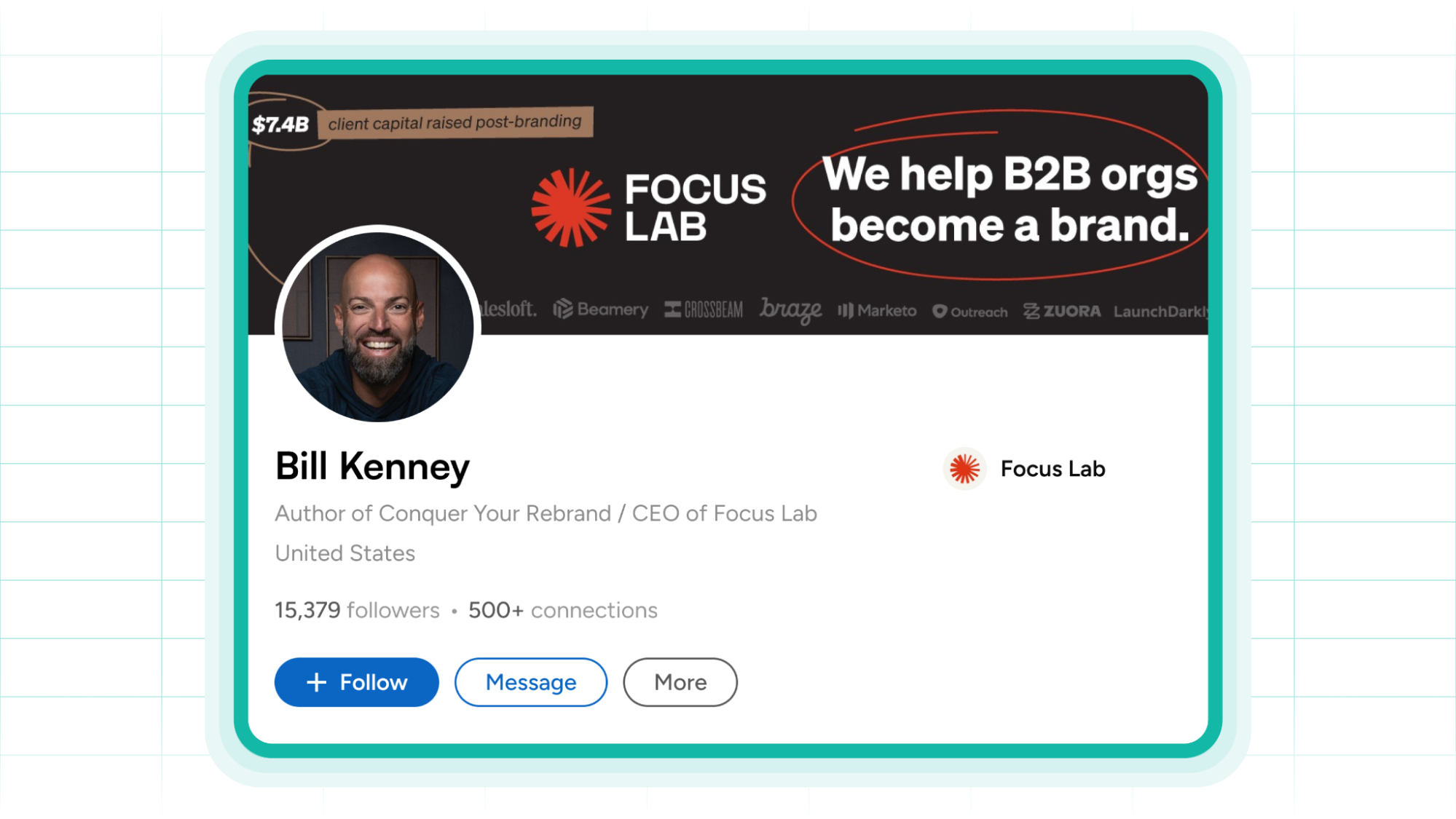
In one post, he breaks down why logos and brand colours inherit meaning from customer experience.
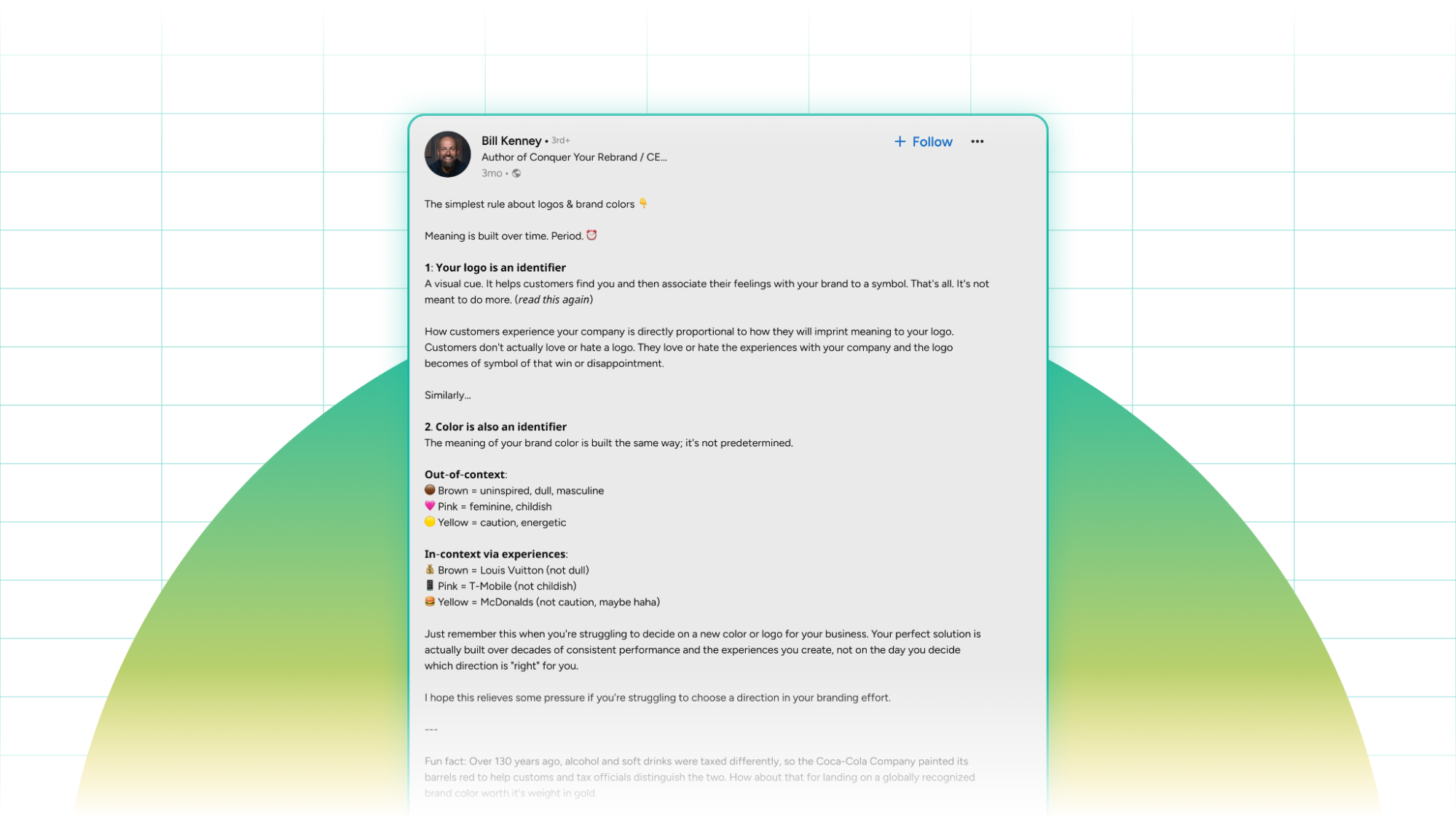
Bill’s style relies on recognisable brands and ties every example back to growth, reputation, and perception. He focuses on experience rather than obsessing over aesthetics.
If you’re looking for a model of educational leadership content without spectacle or gimmicks, Bill is a standout voice to learn from.
Resource of the Week
Captions, by Mirage, is a simple way to turn ideas into video.
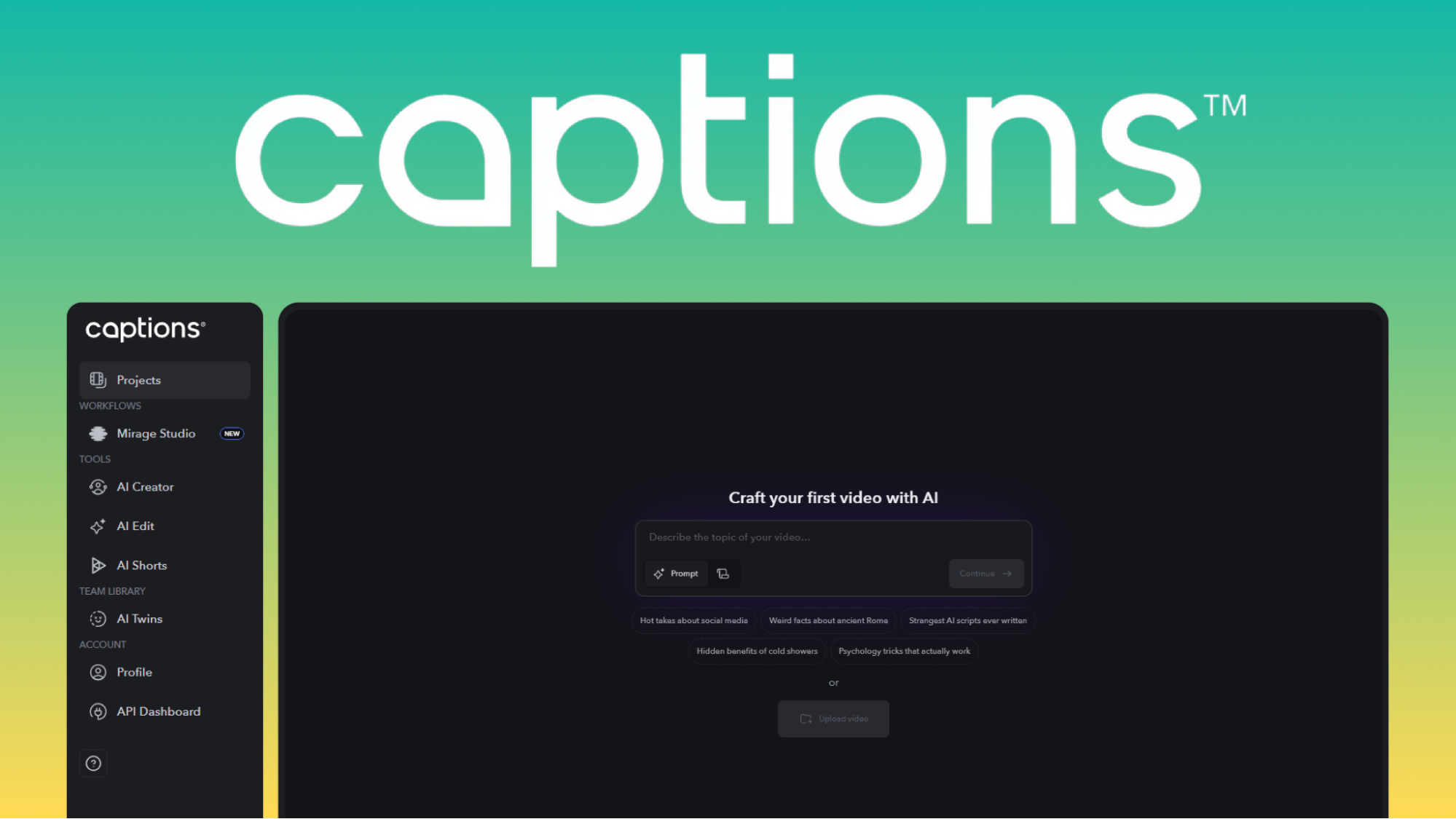
You can record, auto-caption, translate, or even clone your own avatar.
It’s useful for teams and individuals trying to do more with limited resources, offering a practical way to create short, polished videos without hiring a production crew.
The free plan covers basic recording, captions, and short edits. Advanced AI avatars, multilingual features, and branding controls are available on paid plans.
Coming Up Next…
Technical founders tend to do one of two things on LinkedIn. They either stay too plain or get too technical, and neither approach works.
In our next issue, we’ll break down when technical becomes too technical, and what founders should actually do to signal expertise without losing attention.
Till then, own your narrative. Or someone else will.


