
Post Less and Still Grow on LinkedIn

What You’ll Learn in this Issue
- Why frequent posting can hurt executive credibility when it prioritises volume over substance
- How spacing out posts allows ideas to gain traction, depth, and meaningful engagement
- Why a focused cadence of 1–3 high-quality posts per week builds stronger authority over time
LinkedIn, like most social networking platforms today, rewards activity.
The algorithm responds to frequency. The feed favors consistency. And it’s easy to assume that more posting automatically means more growth.
But for executives, growth on LinkedIn works differently.
That being said, visibility is not the same as credibility. And credibility compounds more slowly, but more powerfully.
This issue explores why consistency, for executives, is less about volume and more about judgment.
The Problem With Posting Every Day
Posting every day could be demanding. For someone who hasn’t been writing or creating content consistently, it can quickly become overwhelming.
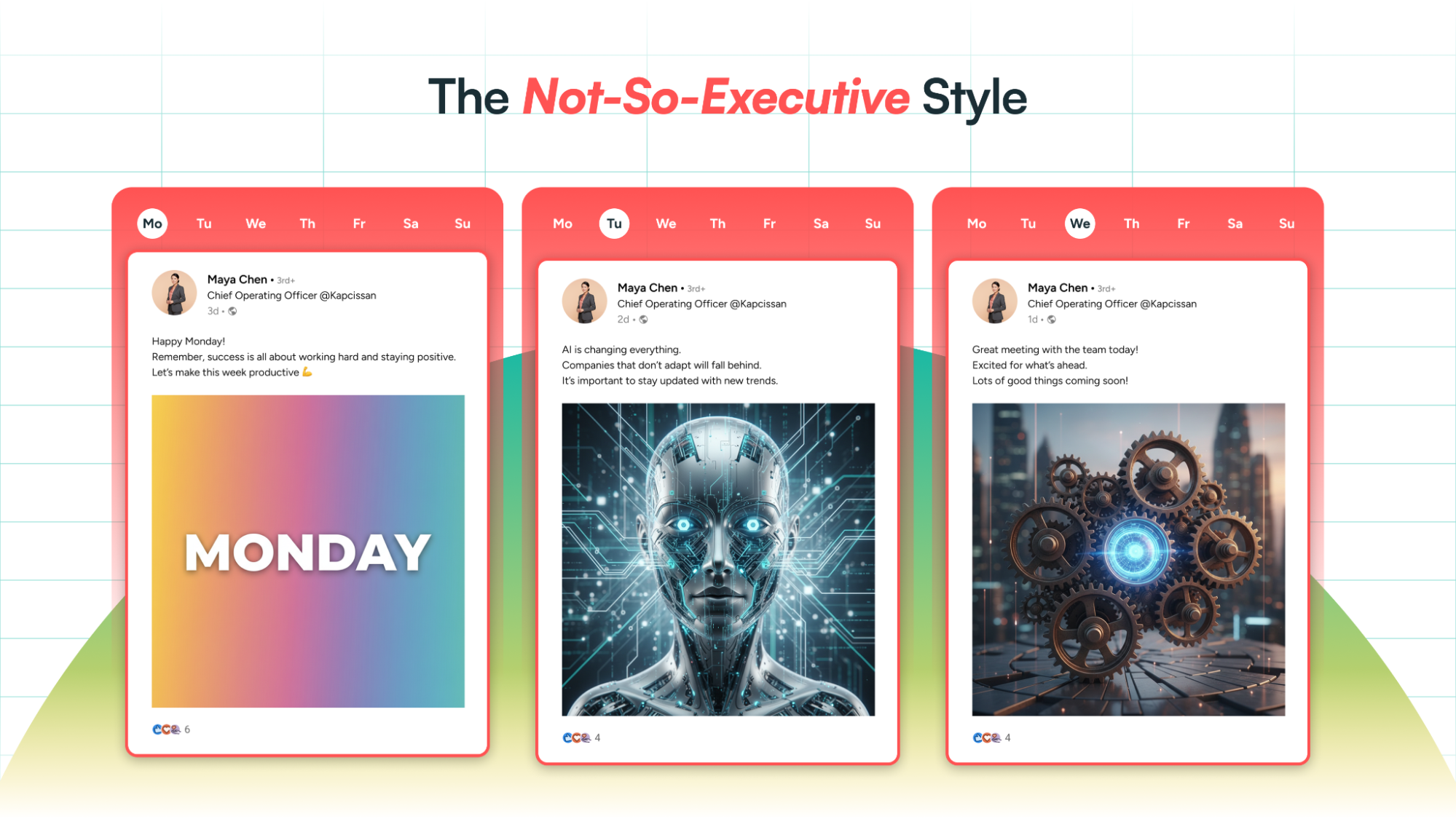
There’s also a perception layer to consider. When an executive shows up on LinkedIn every single day, it often creates one of two assumptions. Either the account is clearly managed by someone else, or the person is spending more time on LinkedIn than on the actual work they are known for.
But when you post once or twice a week, and the quality clearly reflects your offline expertise, the presence feels aligned.
Let Ideas Breathe
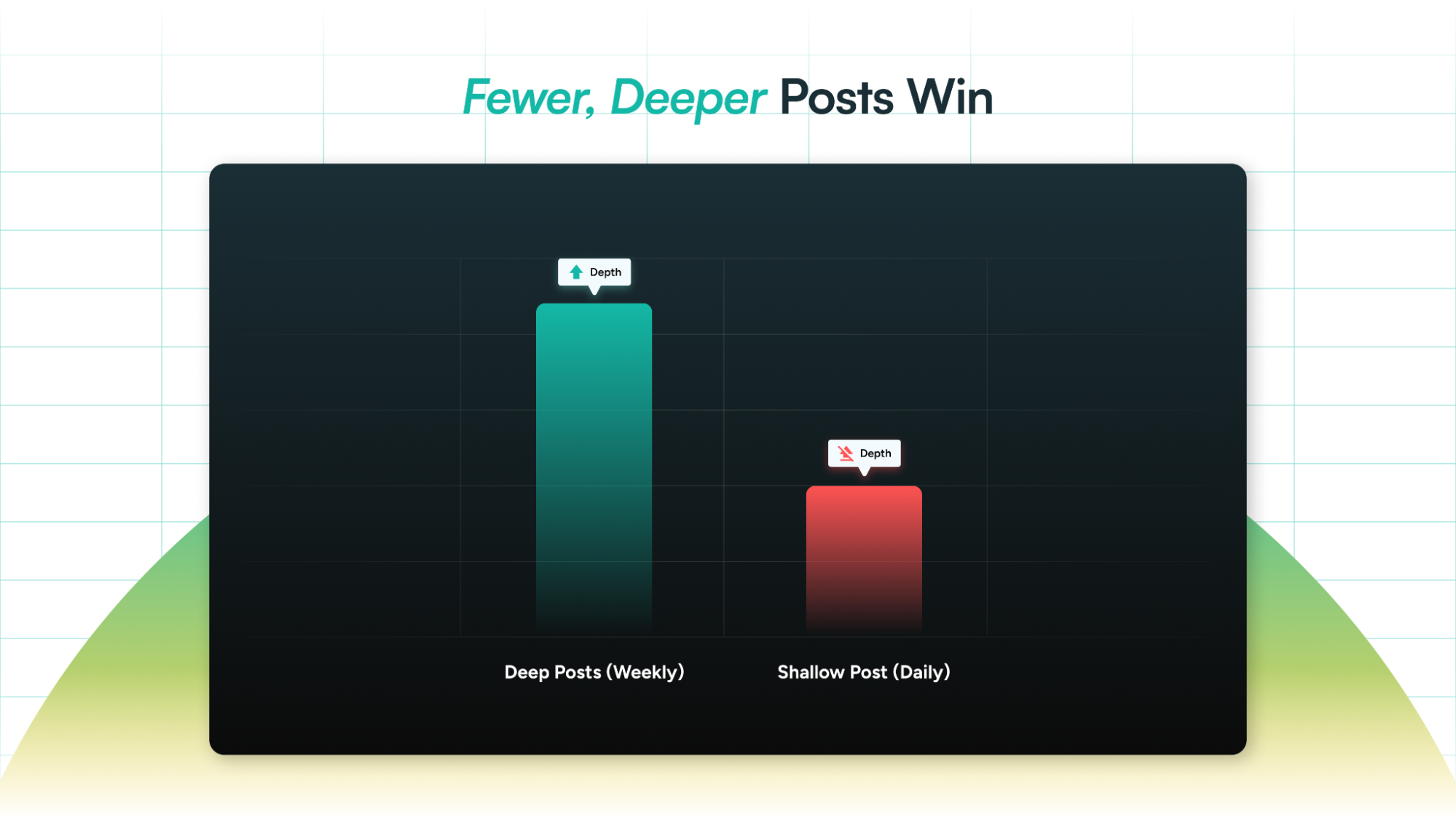
When you space out your posts, each one gets the attention it deserves.
It has time to generate conversation, to circulate beyond your immediate network, and to stay visible long enough for the right people to notice it.
That gap between posts creates depth. It allows ideas to mature instead of being replaced the very next day.
Posting every day, or multiple times a day, often works against that. The thinking becomes reactive. The voice starts repeating itself. And your own posts compete for the same audience’s attention.
Yes, frequent posting can increase total impressions. More posts naturally mean more surface-level visibility.
But executives are not optimizing for surface visibility. They are optimizing for clarity, credibility, and recall.
The Recommended Cadence
There is no universal formula, but there is a range that tends to work well for senior leaders. In most cases, we recommend between 1-3 posts per week.
If each post carries original insight, reflects lived experience, and adds perspective that only you can offer, even one post a week builds momentum over time.
For executives, cadence should protect depth, not compromise it.
Executive Spotlight
Pooja Bajaj Chadha is the Founder & CEO of ExtraMile Play and an employee engagement expert with a strong marketing background.
On LinkedIn, she turns real stories into practical lessons — combining case studies, client moments, and her own startup experiences.
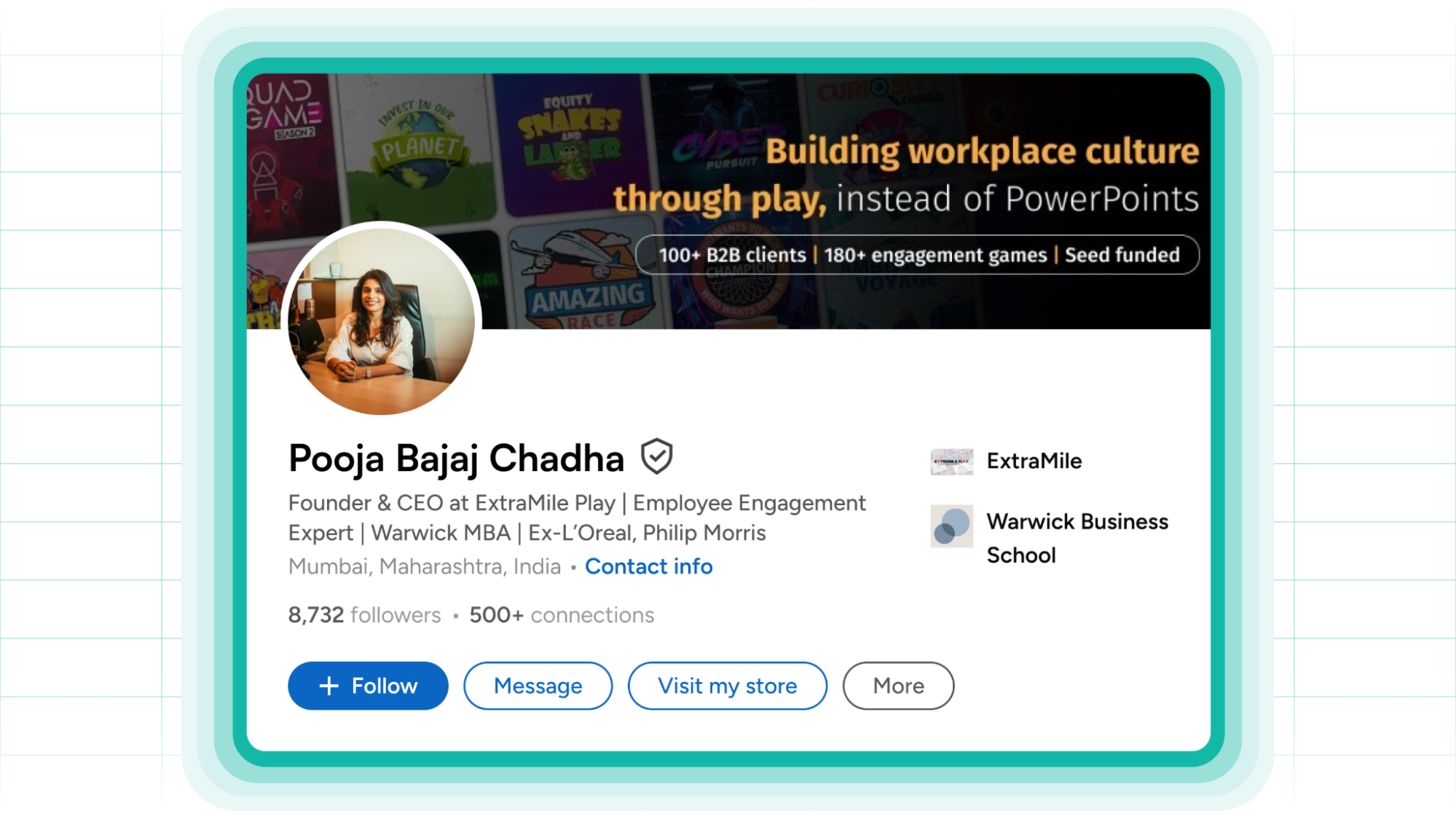
In posts like the Rajasthan Royals’ “half-beard” CSR story, she shows how culture is shaped by people, not policies.
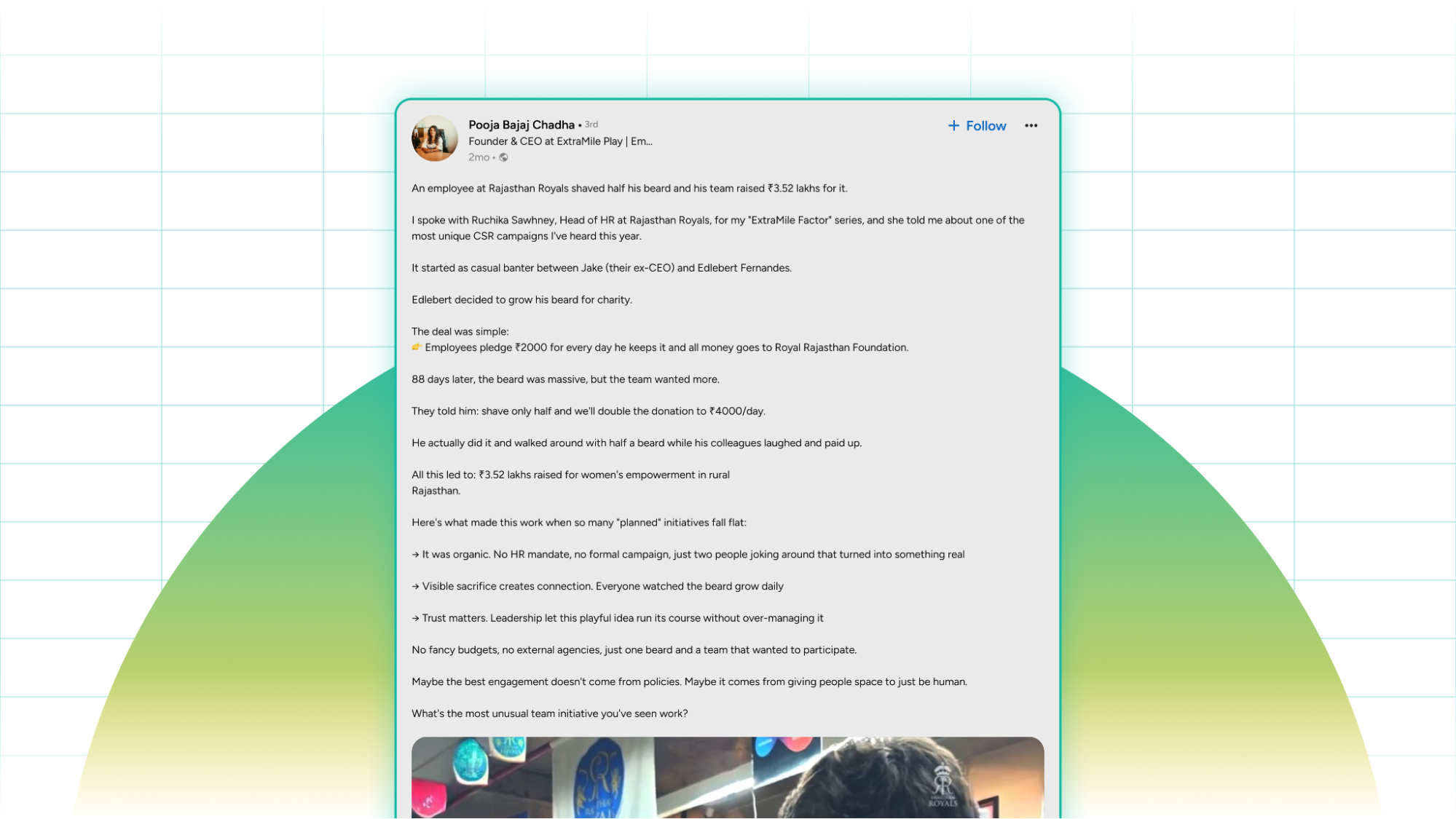
Her content is structured, narrative-driven, and insight-focused — ideal for leaders in HR, people strategy, and organizational development who prefer grounded examples over abstract theory.
Resource of the Week
AutoSend Email Builder is a simple, no-code tool for creating clean, responsive email templates without writing HTML.
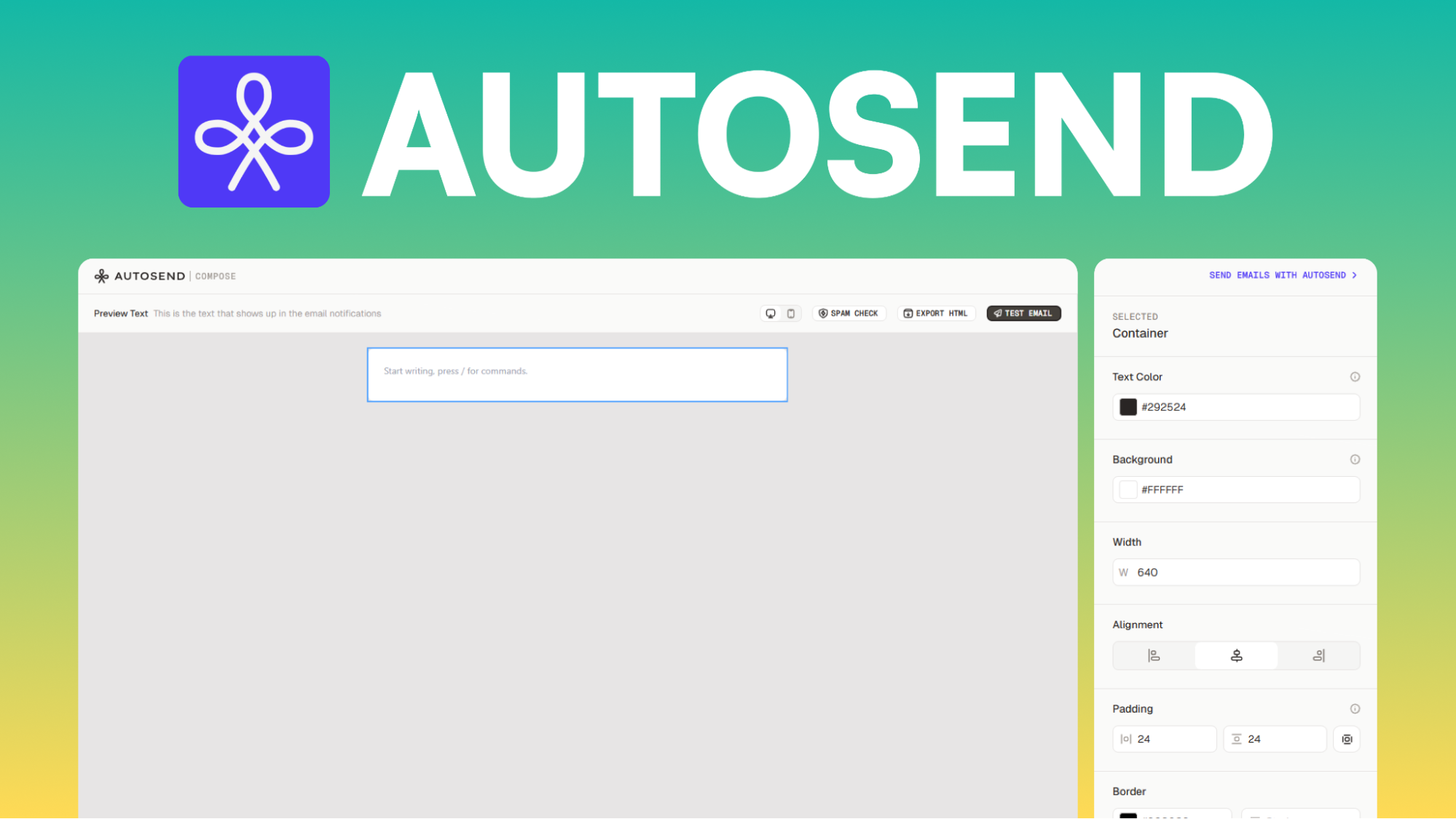
You can draft your message in Markdown, preview the layout instantly, and export production-ready HTML that works across major email clients. It supports reusable templates and dynamic variables, making personalisation and automation easier.
A strong pick if you want a fast, lightweight email builder that fits smoothly into your existing workflow or API setup.
Coming Up Next…
Thought leadership has slowly started losing meaning, with the term being used everywhere and for everything.
In next week’s issue, we’ll break down what thought leadership actually means on LinkedIn, and what it doesn’t.
Till then, post less. Sometimes, that’s how you influence more.


