
How We Personalise LinkedIn Content Without Weekly Interviews

What You’ll Learn in this Issue
- Why content interviews work best: real thinking comes from conversation, not forced writing
- How to capture insights without interviews: prompts, voice notes, forwards, and everyday conversations
- Using existing work and questions as content: decks, memos, and strategic thinking as raw material
At GrowedIn, one thing we’ve learned early is this: the best content rarely starts with writing. It starts with a conversation.
That’s why content interviews are a core part of how we work. These are structured discussions where we sit with an executive and explore their experiences, decisions, and perspectives. Most of the real thinking happens inside those conversations. The content is simply the outcome.
Of course, not every executive can set aside 30 minutes every week. But when interviews aren’t possible, the alternative shouldn’t be generic content or surface-level personalisation that fails to reflect real, offline expertise.
In today’s issue, we’re looking at a few other ways executives can still show up on LinkedIn with deeply personalised content, even without sitting for regular interviews.
Personalisation Without the Sit-Down
Executives’ thinking evolves constantly. Insights don’t arrive on schedule. They show up as quick realisations, sharp observations, or moments of clarity. When that happens, it is important to capture it.
Content Prompt
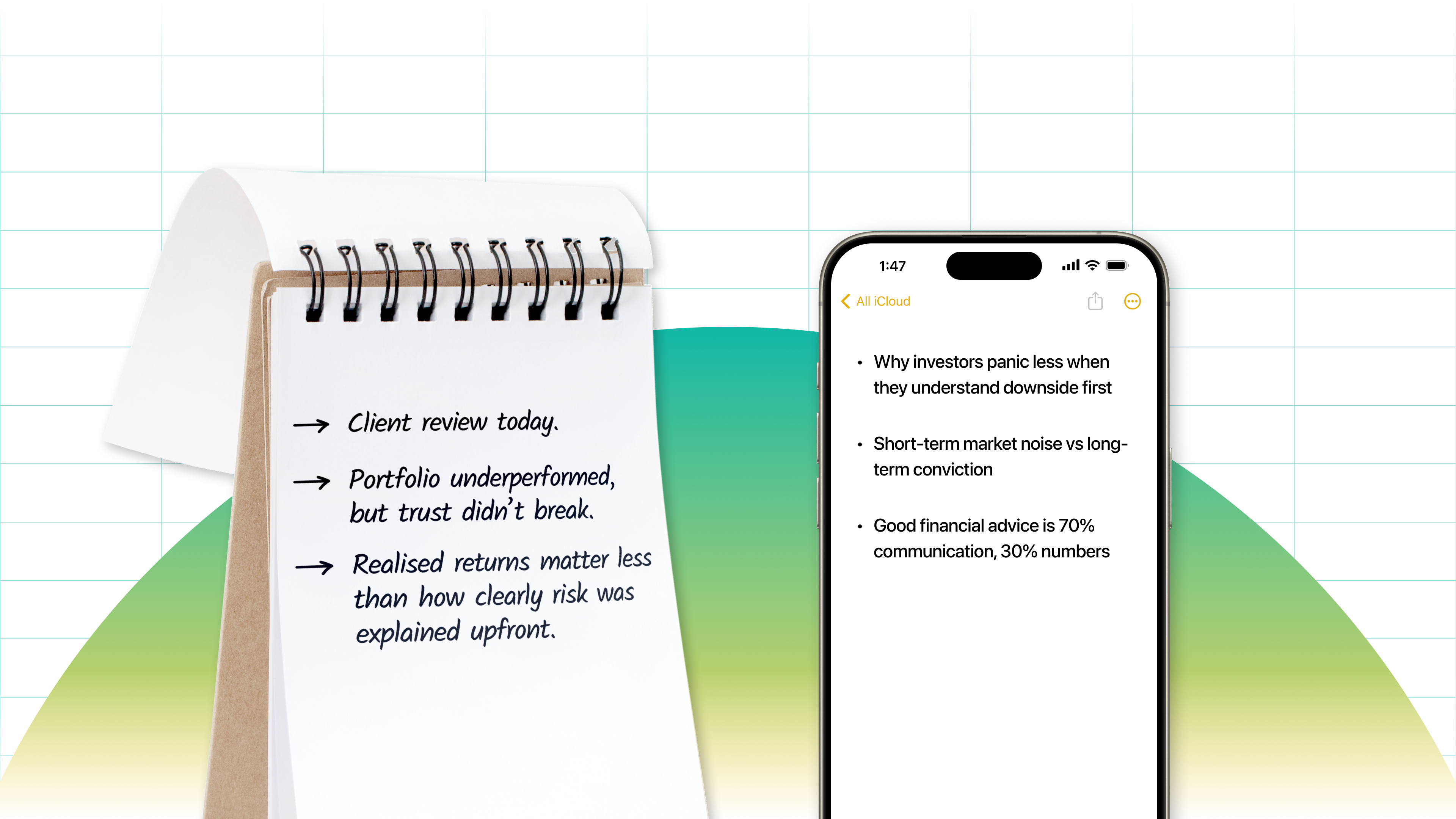
A single line, short note, or even a rough fragment is often enough.
We insist our clients capture these thoughts the moment they appear. It could be a quick line in a notebook, a note in their phone, or a short message sent to the content team. These small prompts later become anchors for personalised content.
Voice Notes
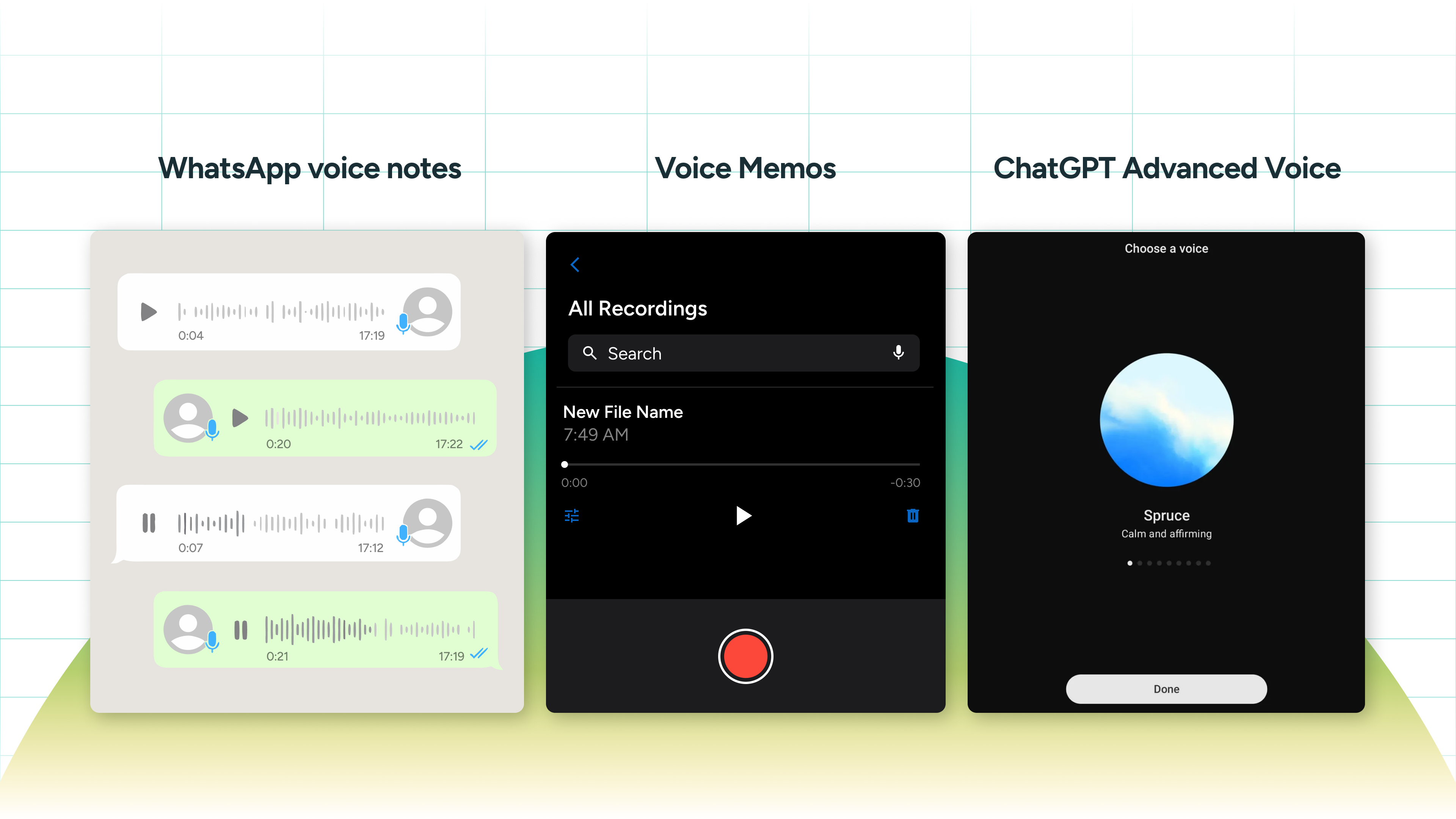
Voice notes remove friction. We often encourage clients to simply record their thoughts instead of trying to write them down. There is no formatting, no editing, and no pressure to sound polished. Just speak. The raw thinking gets captured as-is, which often carries more depth than written drafts ever could.
GPT Voice Notes
Sometimes ideas feel scattered or unfinished.
In those moments, we suggest clients record a quick voice note and run it through GPT to convert speech into text. The transcript can then be refined into something structured.
This approach works particularly well when clarity appears after someone starts talking through the idea.
Forwards
Another simple habit we encourage is forwarding interesting posts.
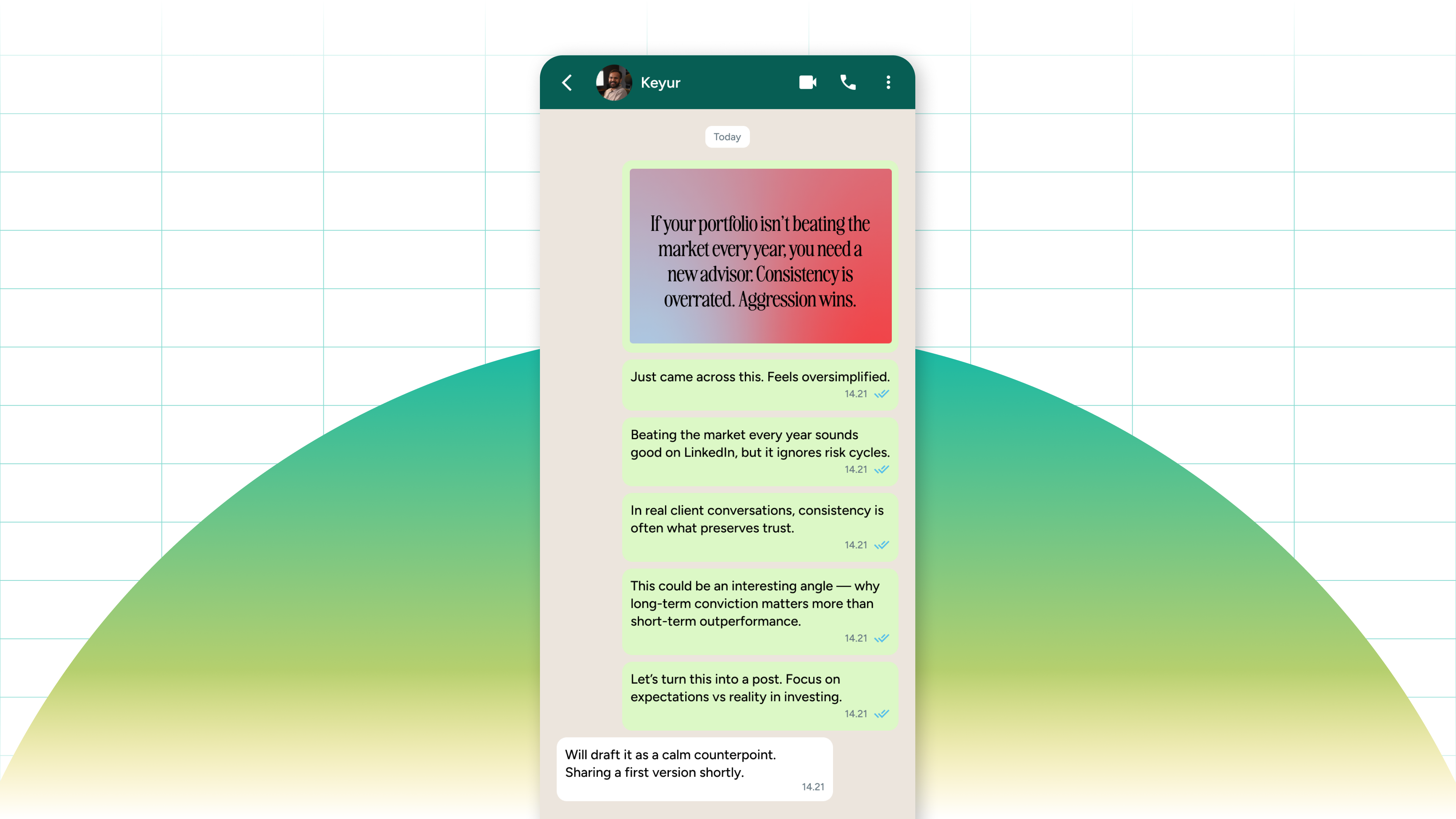
Executives often come across ideas that align with or challenge their thinking while scrolling LinkedIn. Instead of letting those ideas pass, we ask clients to forward the post with a quick note.
A short comment like “Agree with this,” “Missing this angle,” or “I see this differently” is often enough to spark a thoughtful piece of content.
Your PA / EA
If none of these approaches fit naturally into a schedule, proximity helps.
We’ve seen cases where an executive assistant captures insights from everyday conversations. Someone who regularly interacts with the executive often understands how they think and what matters to them. When these moments are captured well, they can reveal some of the most authentic perspectives.
Artifacts of Work
Executives already produce high-quality thinking, just not in “content” form.
Decks, internal memos, board notes, strategy docs, investor updates, or keynote outlines are rich raw material. When repurposed thoughtfully, they translate into posts with depth because they reflect decisions already made, not opinions invented for LinkedIn.
Question-First Thinking
Another approach we encourage is sharing the questions executives are currently thinking through. Strategic, cultural, or operational questions invite conversation while signalling the level at which someone is operating.
Internally, content interviews remain our strongest lever. But when they aren’t feasible, your LinkedIn presence doesn’t need to pause, only the process needs to adapt.
Executive Spotlight
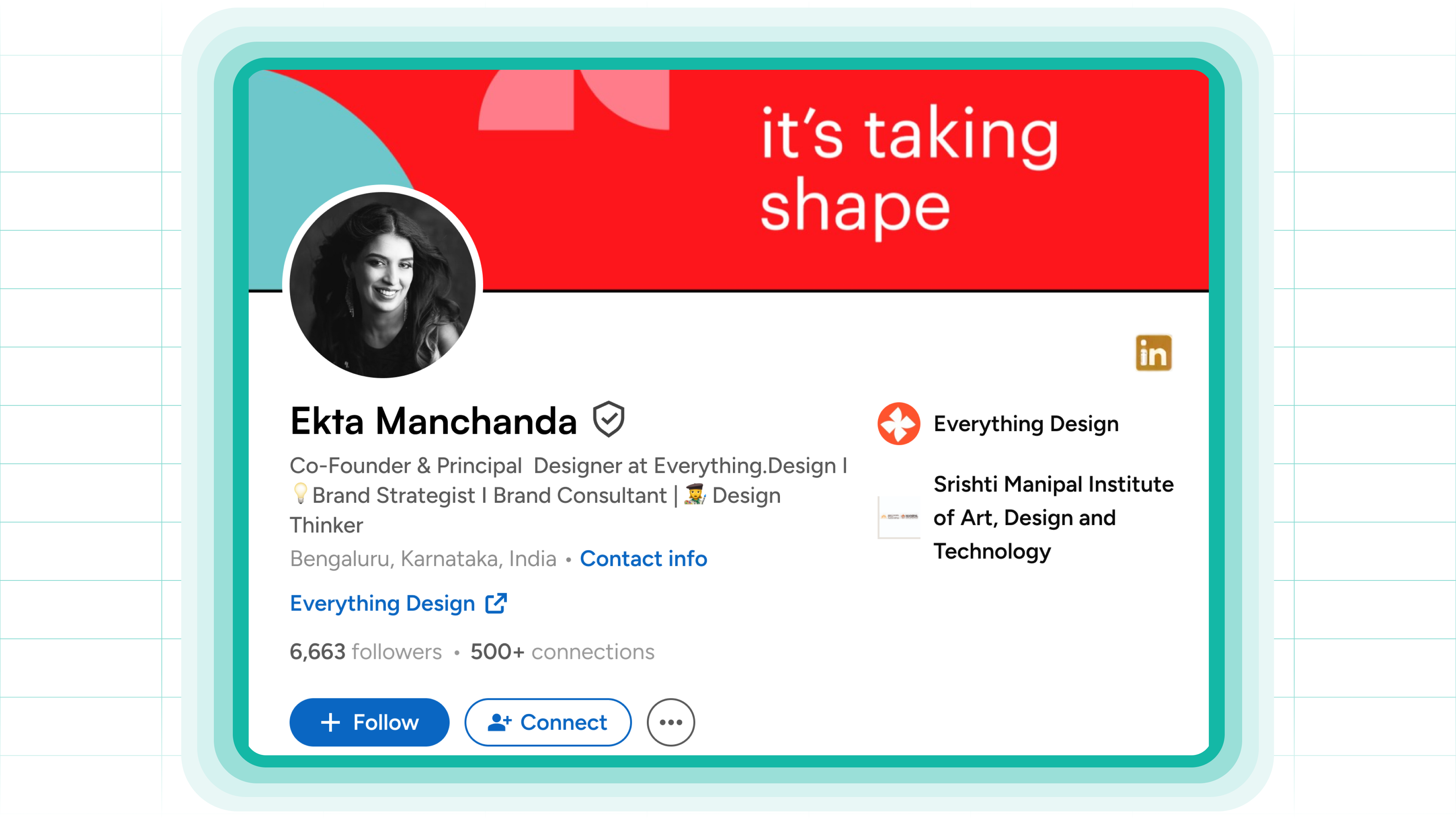
Ekta Manchanda is a Co-founder and Principal Designer at Everything Design. She has spent 12 years in the design industry, specialising in building brands and creating impact through design.
On LinkedIn, Ekta shares thoughtful reflections on creative leadership, brand strategy, and the subtle skills that make design work truly resonate.
Like in this post, she explores how great ideas often come from unexpected sources, and how the quiet superpower of “taste” lets leaders recognise brilliance before anyone else does.
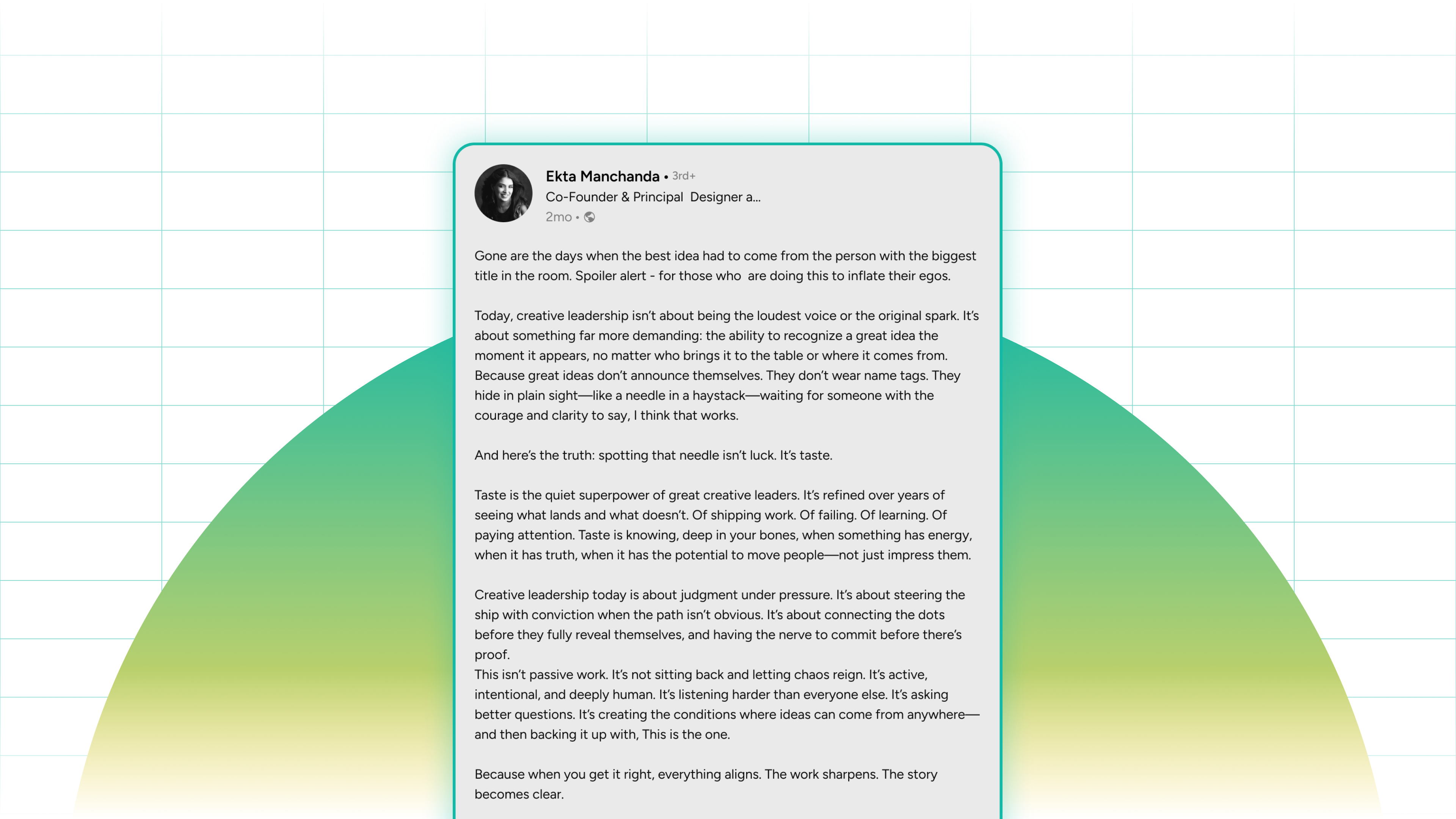
Her content is insightful, narrative-driven, and deeply human. It’s perfect for anyone interested in creative leadership, design thinking, or building brands that matter.
Resource of the Week
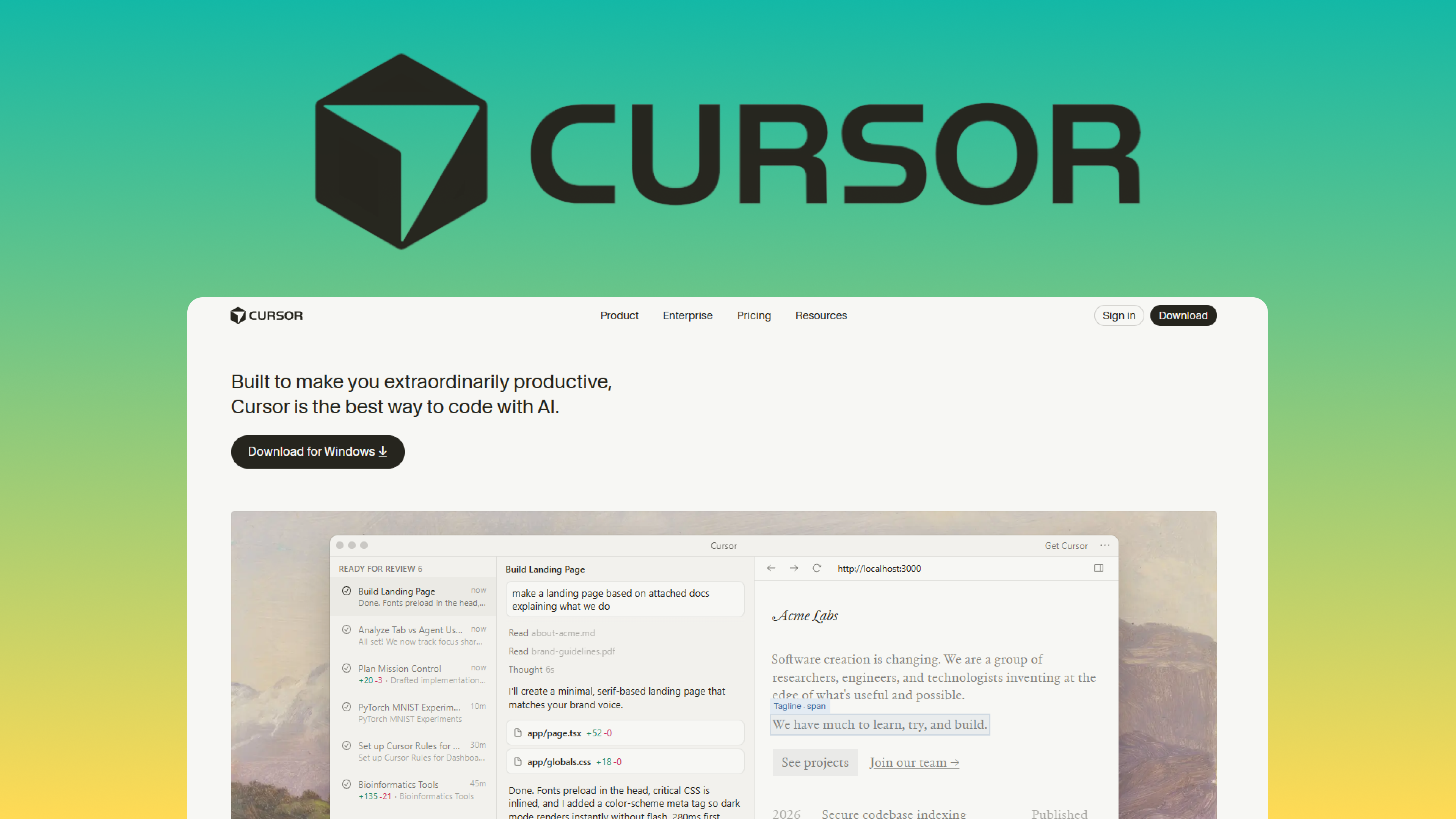
Cursor is an AI-powered code editor that acts like a thinking partner for developers.
It understands your entire codebase, lets you edit code using plain language, and helps with everything from quick fixes to deeper refactors. Built on a familiar VS Code–style interface, it fits seamlessly into existing workflows.
If you or your team writes code and wants to move faster, Cursor is well worth exploring.
GrowedIn News
We’re launching the Spring edition of The State of LinkedIn Report soon.
The last time we put this report together, it reminded us why it’s worth doing regularly. The process forces us to step back, revisit what we know about LinkedIn, and consolidate what people across the platform are actually seeing.
Even after years of working on LinkedIn, building the report sharpened our own understanding.
Here’s a quick peek at some of the design inspiration for this edition.
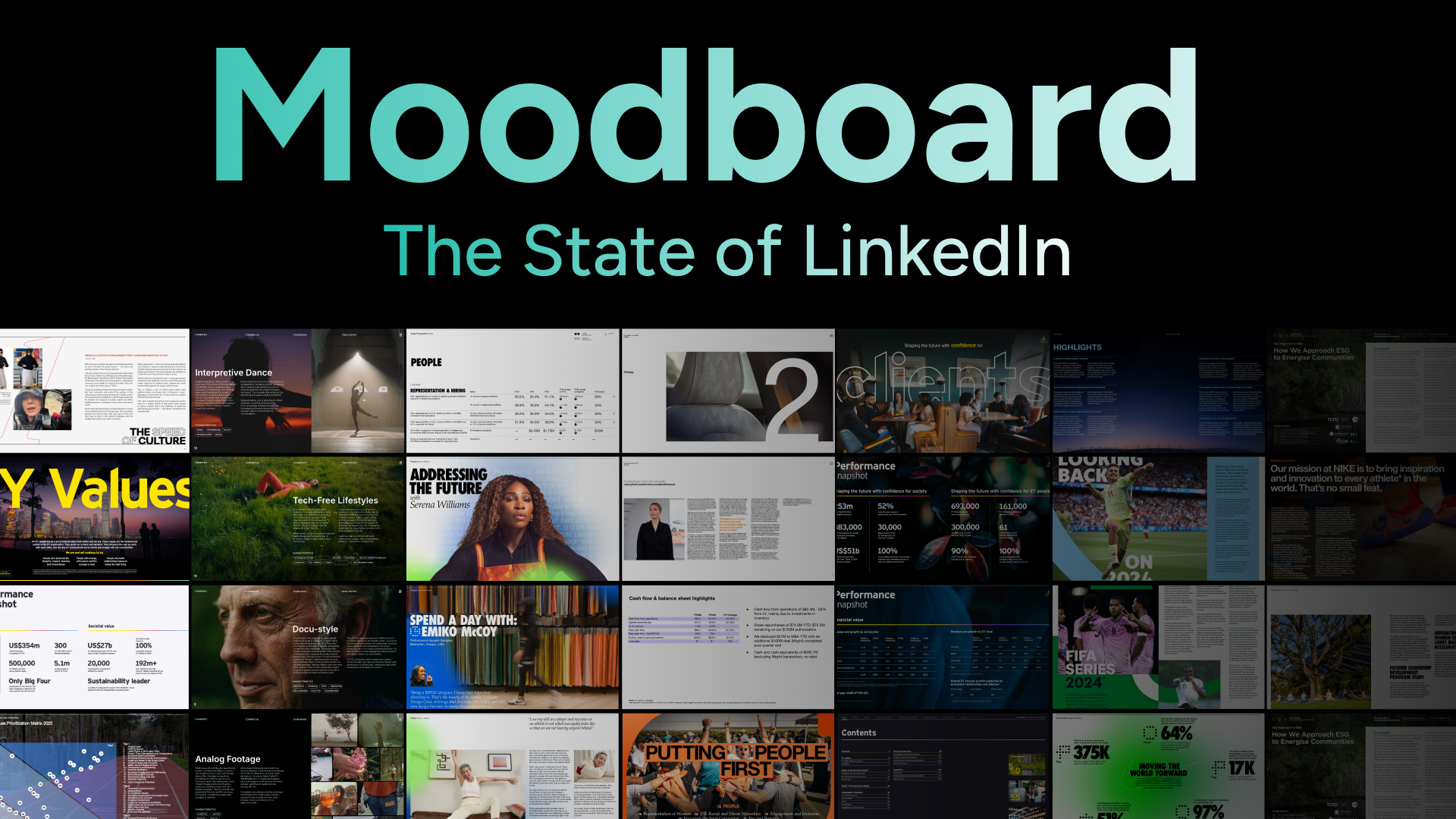
The Spring Edition goes live this April. Stay tuned.
Coming Up Next…
Executives bring decades of offline authority to the table. But the way that credibility should appear on LinkedIn is often misunderstood.
In the next issue, we’ll walk through the fundamentals of what an executive LinkedIn presence should actually look like, and what it should avoid.
Till then, remember, even without content interviews, there are smart ways to show up.


