
The Real Power of Content Interviews for LinkedIn Content

What You’ll Learn in this Issue
- How structured conversations help founders organise their thinking and turn experience into clear insights
- Why removing pressure and asking the right questions leads to more authentic, high-quality content
- How thoughtful curation and framing transform raw conversations into impactful thought leadership
Founders rarely get the opportunity to slow down and organise the chaos in their own thinking.
But when the right questions create that pause, something shifts. Patterns become visible. Decisions become clearer. Experience turns into articulated insight. What looks like a simple LinkedIn post is often the outcome of reflection, structure, and careful framing.
Today, let’s break down how and why it works.
How We Turn Founder Conversations into Thought Leadership
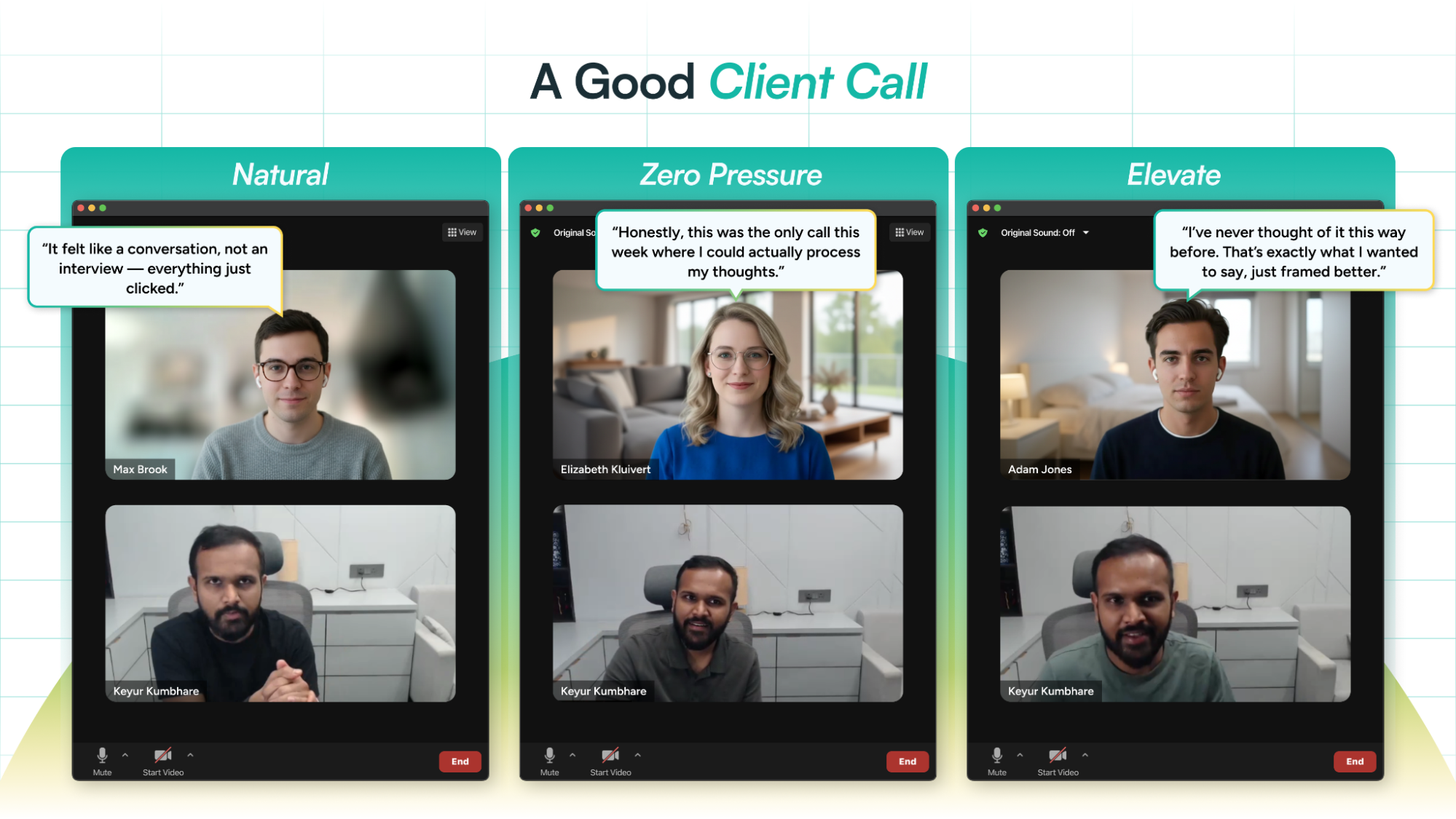
1. Remove the Pressure
A content call should never feel like another meeting on the founder’s calendar.
It should feel like the one call they actually look forward to, the space where they can think out loud.
When this becomes a pattern, “I should share this with Keyur on the next call” becomes a default reaction to every spark of insight.
2. Prepare Just Enough
Preparation shouldn’t be a rigid list of questions.
It’s about knowing the industry, tracking what competitors are doing, and holding a light outline to keep the conversation flowing.
The interviewer prepares, but lightly, and with flexibility. The client should never be asked to prepare.
3. Elevate, Don’t Expose
The best content makes founders say, “Wow, I’ve never seen my thoughts framed this way,” not “I don’t want this version of me out there.”
The interview should lead to insights that feel fresh, true, and elevated, not uncomfortable or misaligned.
When this good outcome keeps repeating, every interview feels like a cadence that feels effortless.
Let Them Think Out Loud
When the right questions hit, founders slip into a stream of consciousness.
They open up - stories, tangents, personal moments, things far outside the “official” scope of the content interview.
In those moments, you don’t interrupt and tell them, “this part isn’t relevant” or “this is too personal" because none of it is useless.
Those raw, unfiltered moments reveal how they think. Their patterns, priorities and personality.
The real skill is in knowing what to exclude, while still keeping the truth hidden inside those stories.

The Masterclass Behind Every Post
Getting a 40-minute slot with a C-level executive without paying for it, and instead getting paid, is the hidden privilege of being a ghostwriter.
These content interviews are basically CEO masterclasses.
And when you combine those insights with strong research and sharp writing, the posts that come out are some of the best bite-sized masterclasses on the internet.
Executive Spotlight
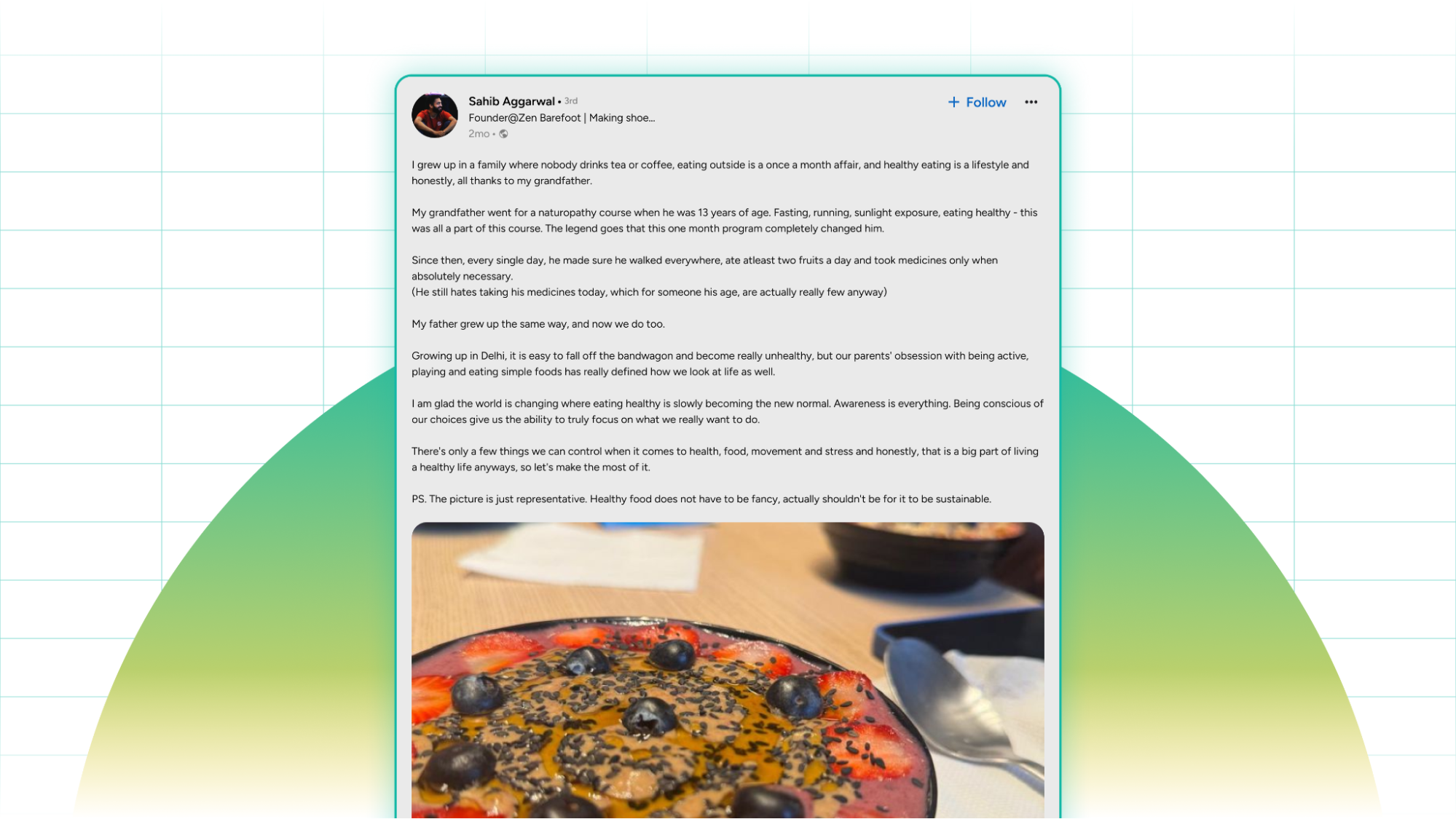
Sahib Aggarwal is the founder of Zen Barefoot, India’s first barefoot shoe company.
As a startup owner on LinkedIn, his posts are raw, personal, and rooted in lived experience. He shares naturally and isn’t afraid to be seen as small.

In this personal post, he talks about how the intentional lifestyle his grandfather adopted has become their family’s normal, and how the same philosophy inspires Zen Barefoot.
If you want to follow someone building simply yet making an impact, Sahib is one to look out for.
Resource of the Week
AI tools have been dominating this section lately. This week’s resource helps you find the best ones.
There’s an AI for That is a free platform that curates AI tools across categories. You search by problem or workflow, and it surfaces relevant options in seconds. It’s great for browsing, exploring new use-cases, and seeing what’s out there.
Still, be careful when picking tools. Cross-check credibility using platforms like Product Hunt to review ratings, features, and real user feedback.

Coming Up Next…
Presence on LinkedIn is not just about how often you post. It is about how clearly you think and how consistently that thinking shows up.
In the next issue, we’ll break down how to stay highly visible without relying on endless posting.
Until then, design your content interviews as spaces for clarity. When the thinking is sharp and honest, the writing becomes far more powerful.


