
Most Professionals Use LinkedIn Wrong at Their Career Stage

What You’ll Learn in this Issue
- Why LinkedIn feels inauthentic to many, and how misaligned content creates that perception
- How to approach LinkedIn differently across career stages, from early career to executive level
- The importance of aligning your voice, content, and visibility with your real-world experience
People often joke about LinkedIn on Instagram and X, seeing it as a place full of clichés, exaggeration, and boasting.
Much of this perception comes from a mismatch between someone’s career stage, their niche, and the kind of content they post.
Visibility on LinkedIn does matter. But it works best when you position yourself in a way that aligns with where you are in your career and what you are known for.
Today, let’s look at how each career stage should think about showing up on LinkedIn.
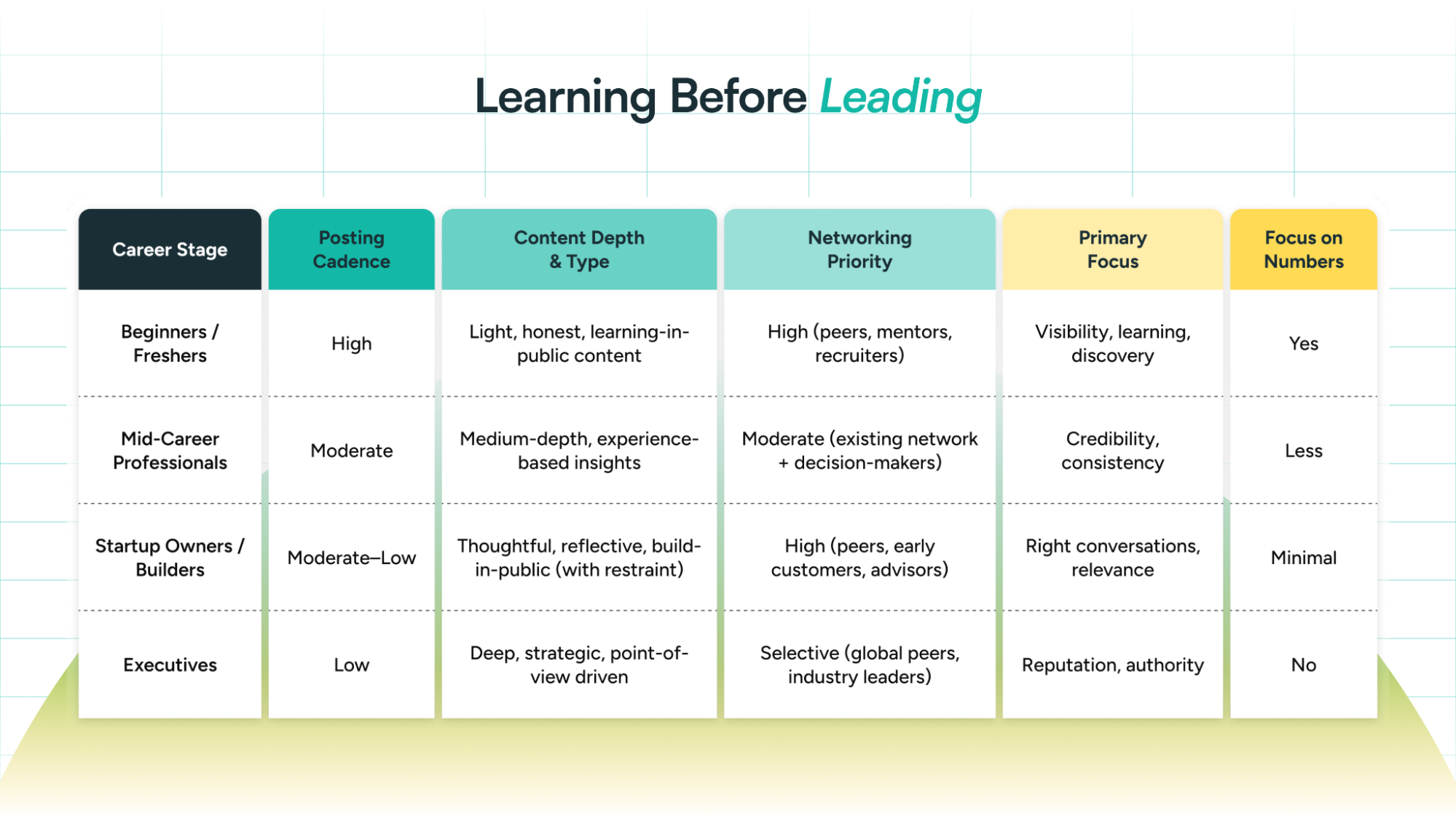
Early Career
LinkedIn gives beginners a real space to learn, grow, and be seen by the right people.
For freshers, the priority should be networking and building genuine connections with people who may be open to referring you when opportunities arise.
When it comes to content, do not shy away from showing that you are learning. Position yourself as a voice of the new generation with fresh perspectives, not borrowed experience.
Trying to sound like a seasoned CEO or posting only “I need a job” adds very little value.
The Compounding Stage
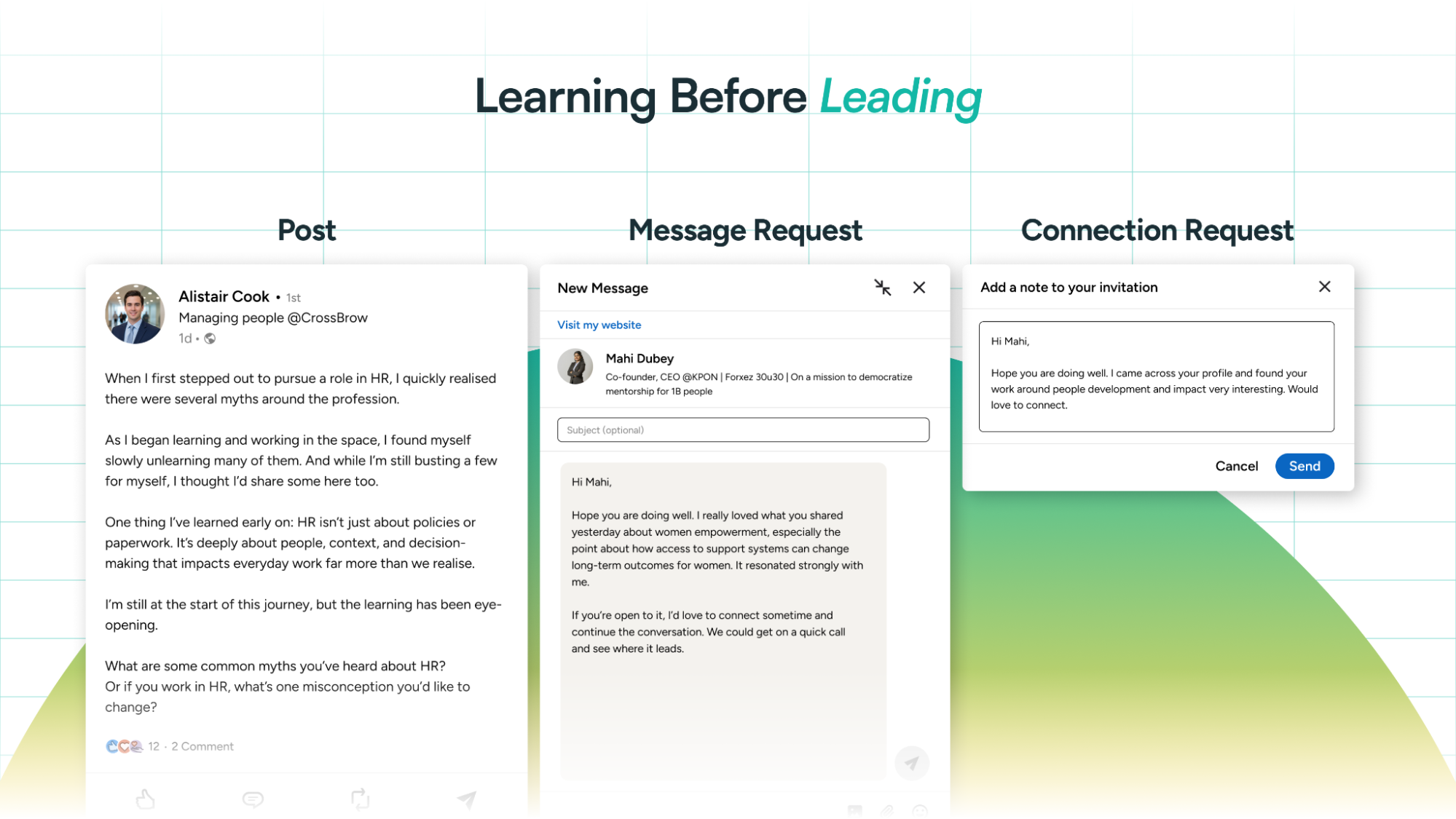
Many professionals at this mid-career stage assume LinkedIn has little to offer them.
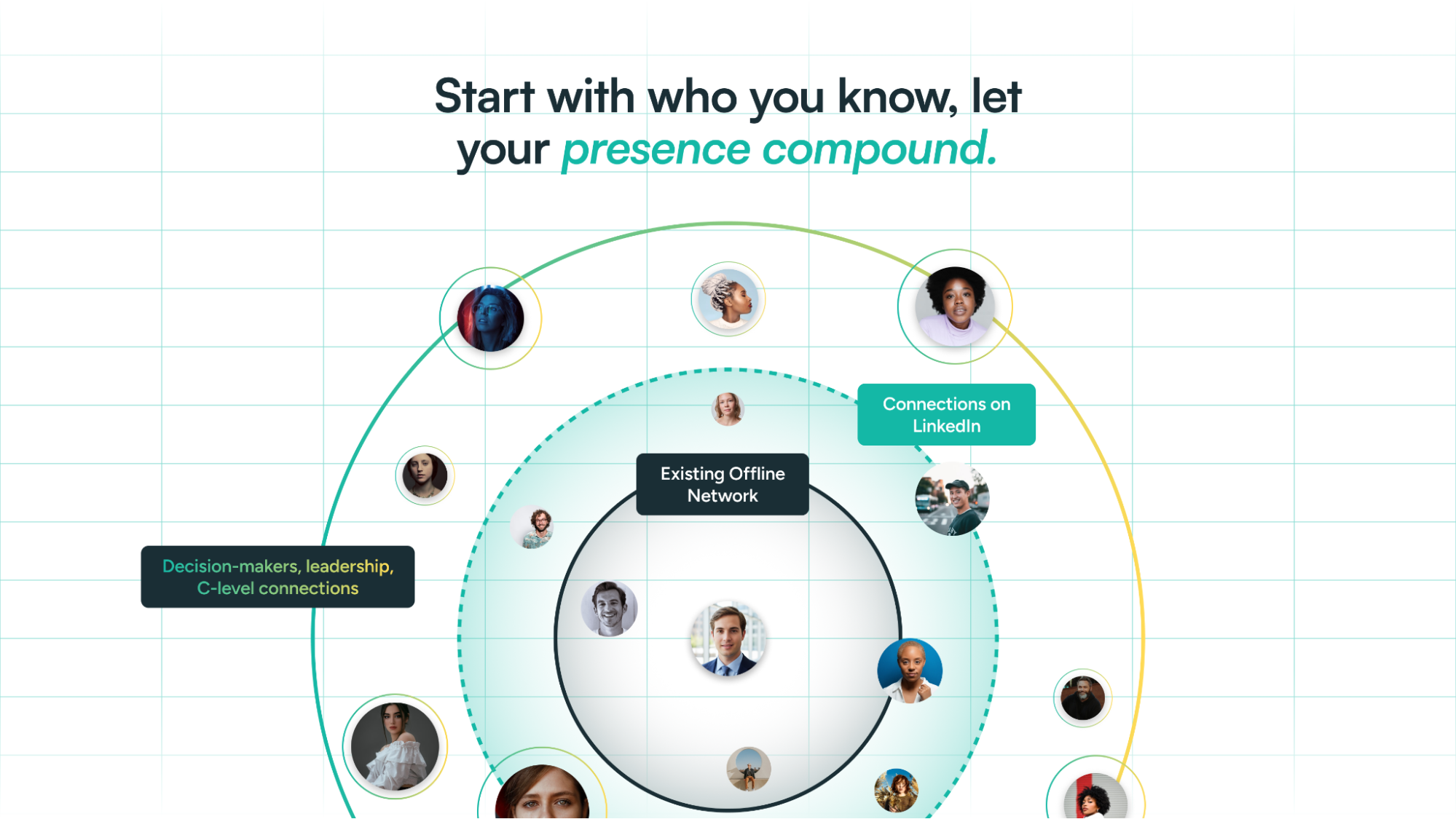
In reality, this is one of the best times to show up. You have experience to share and a growing offline network to build on.
Your content does not need to be loud. Think deep insights drawn from real work. Start by engaging your existing network and let it compound over time.
Used well, LinkedIn helps you show up in front of decision-makers who influence promotions, leadership opportunities, or your next career move.
The Transition Stage
At this stage, many professionals step out to build something of their own.
Your LinkedIn voice should balance curiosity with credibility. Share what you are building, learning, and thinking, without documenting every experiment. Be visible, but intentional.
Too little visibility feels hesitant. Too much can feel unfocused.
Networking now shifts to reconnecting and expanding across peers, early customers, operators, and advisors. LinkedIn becomes less about reach and more about shaping conversations.
Executive-Level Content
At this stage, LinkedIn is less about building credibility and more about reinforcing a reputation already earned offline.
The goal is to move beyond existing circles and expand reach across borders and into global peer networks.
Content should be deep and deliberate. Frequency can be low. A small number of well-thought-out posts with real depth signals expertise far more effectively than frequent updates.
An experienced executive sounding clueless does not build trust. A fresh graduate acting like a know-it-all does the same damage.
Align your LinkedIn presence with your stage, and reputation follows naturally.
Executive Spotlight
Joseph Jude, a CTO, uses LinkedIn as a tool for learning rather than self-promotion.
His posts often explore how he consumes, produces, and engages with ideas. Writing becomes a way for him to think, question, and deepen his understanding.
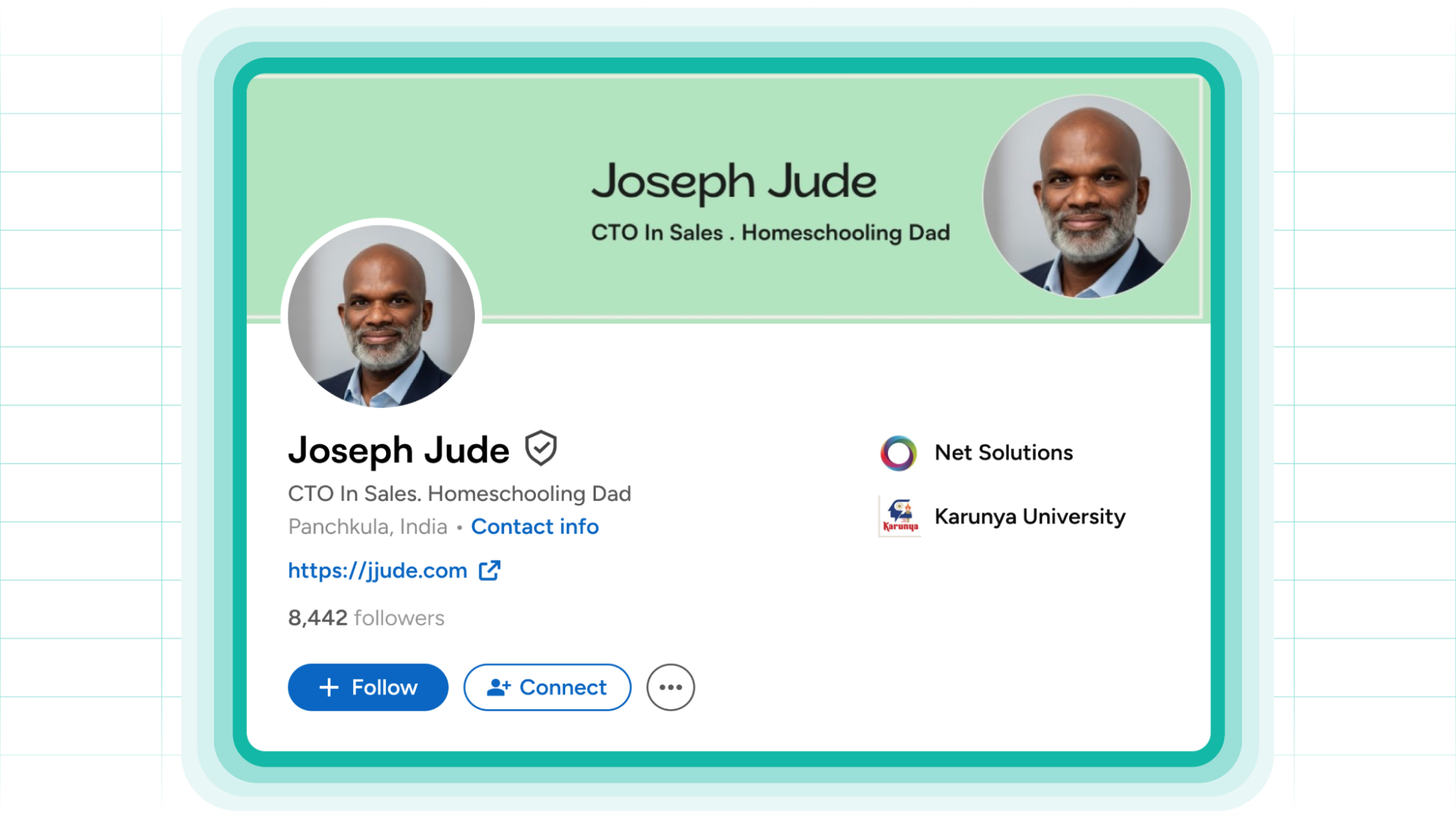
As seen in this post, his content is often paired with thoughtful, infographic-style visuals. In this example, he explains how working in the business versus working on the business is fundamentally different.

Calm and reflective in tone, his profile is a great follow for anyone who values learning and systems thinking.
Resource of the Week
Edits is a video editing app by Instagram that receives far less attention than it deserves.
It offers features that speed up editing, along with a built-in camera that includes tools such as a timer, resolution controls, and a teleprompter.
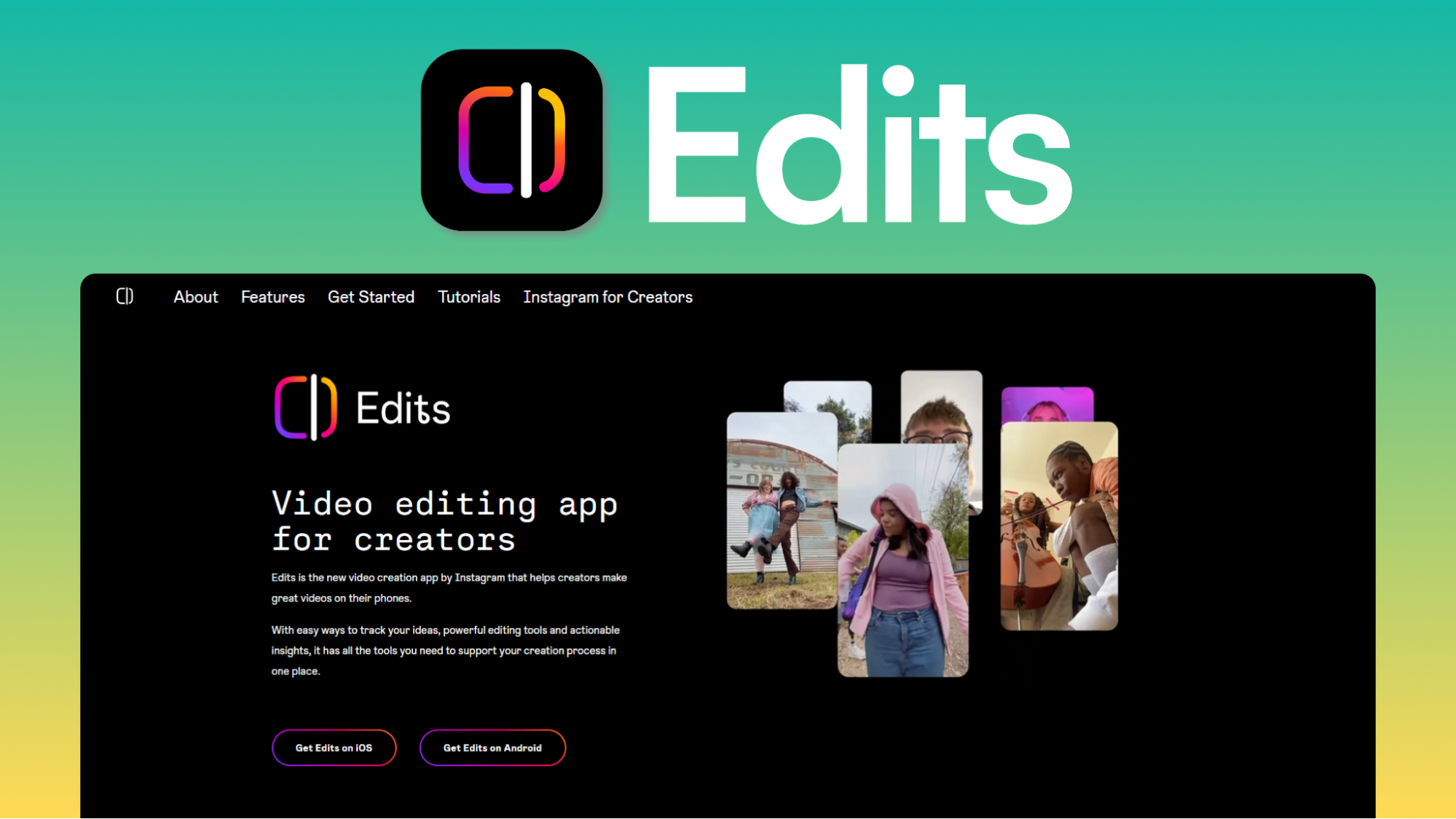
If you create video content regularly, this is one app worth keeping on your radar.
Coming Up Next…
We often talk about how content interviews play a crucial role in ghostwriting. At the same time, we know that not everyone can commit to that model on a regular cadence.
In next week’s issue, we will expand on how you can still show up with a highly personalised LinkedIn presence even without ongoing content interviews.
Till then, when you show up, show up with context.


