
The Fundamentals of Executive Presence on LinkedIn

What You’ll Learn in this Issue
- LinkedIn extends your offline credibility, it doesn’t create it
- A strong executive profile is built on clarity, precision, and intentional positioning
- Your interactions and content signal judgment, tone, and authority over time
LinkedIn has become something most professionals can’t really ignore anymore, no matter where they are in their careers.
And yet, you’ll still come across people doing great work offline who are almost invisible online. The credibility is there. It just isn’t showing up where more people can see it.
When used well, LinkedIn simply extends the reputation you’ve already built. It helps your work reach further and makes it easier for the right people to remember you.
So today, let’s go back to the basics and look at what a strong executive presence should actually feel like.
Before You Post
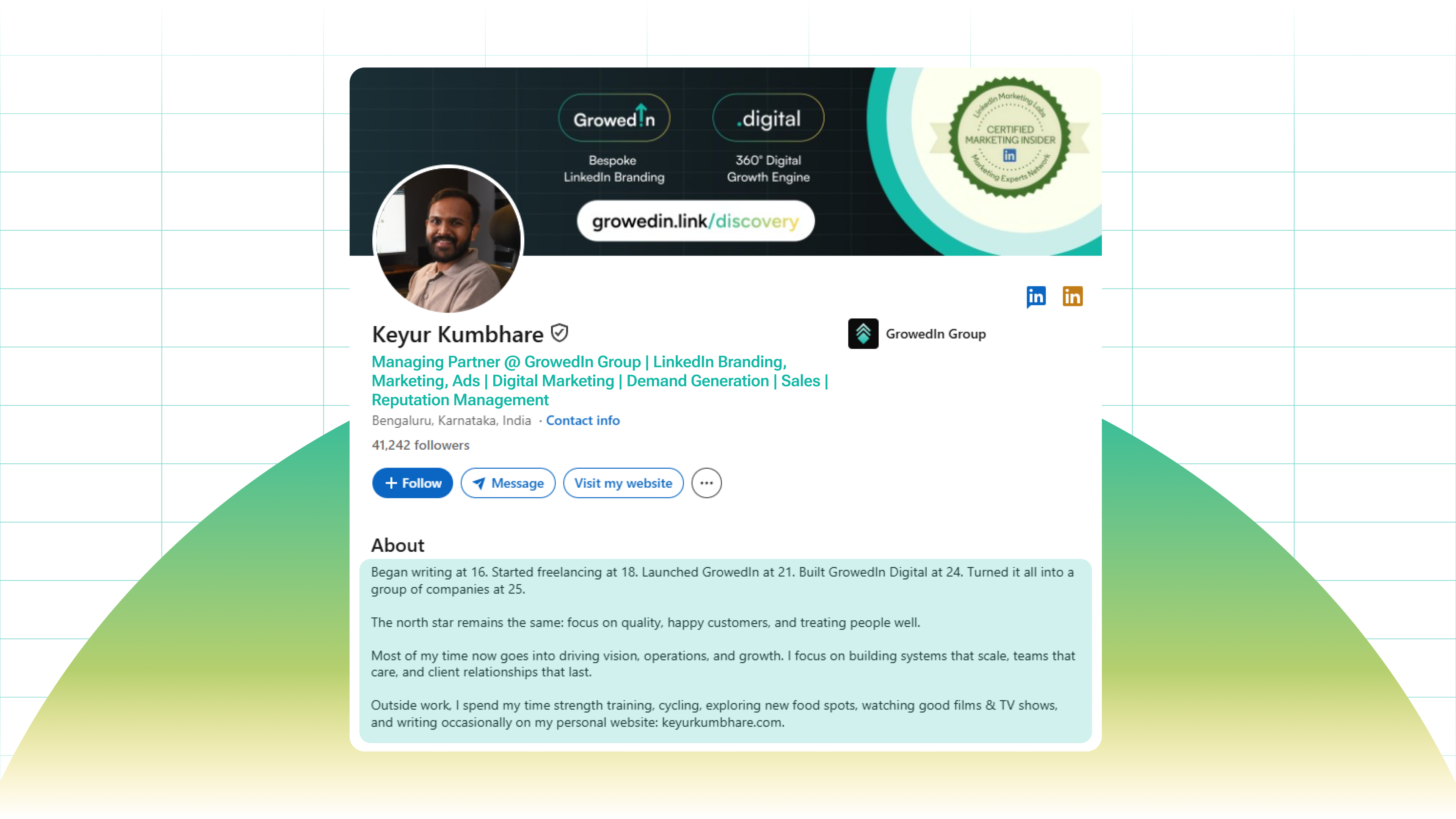
Every aspect of your profile should subtly showcase credibility. It should be precise, factual, and intentional. From your headline to your About section, clarity is far more impactful than most people realise.
Avoid exaggeration or jargon. Instead, focus on what you actually do, the problems you solve, and the outcomes you’re responsible for.
Every Interaction Leaves a Trace
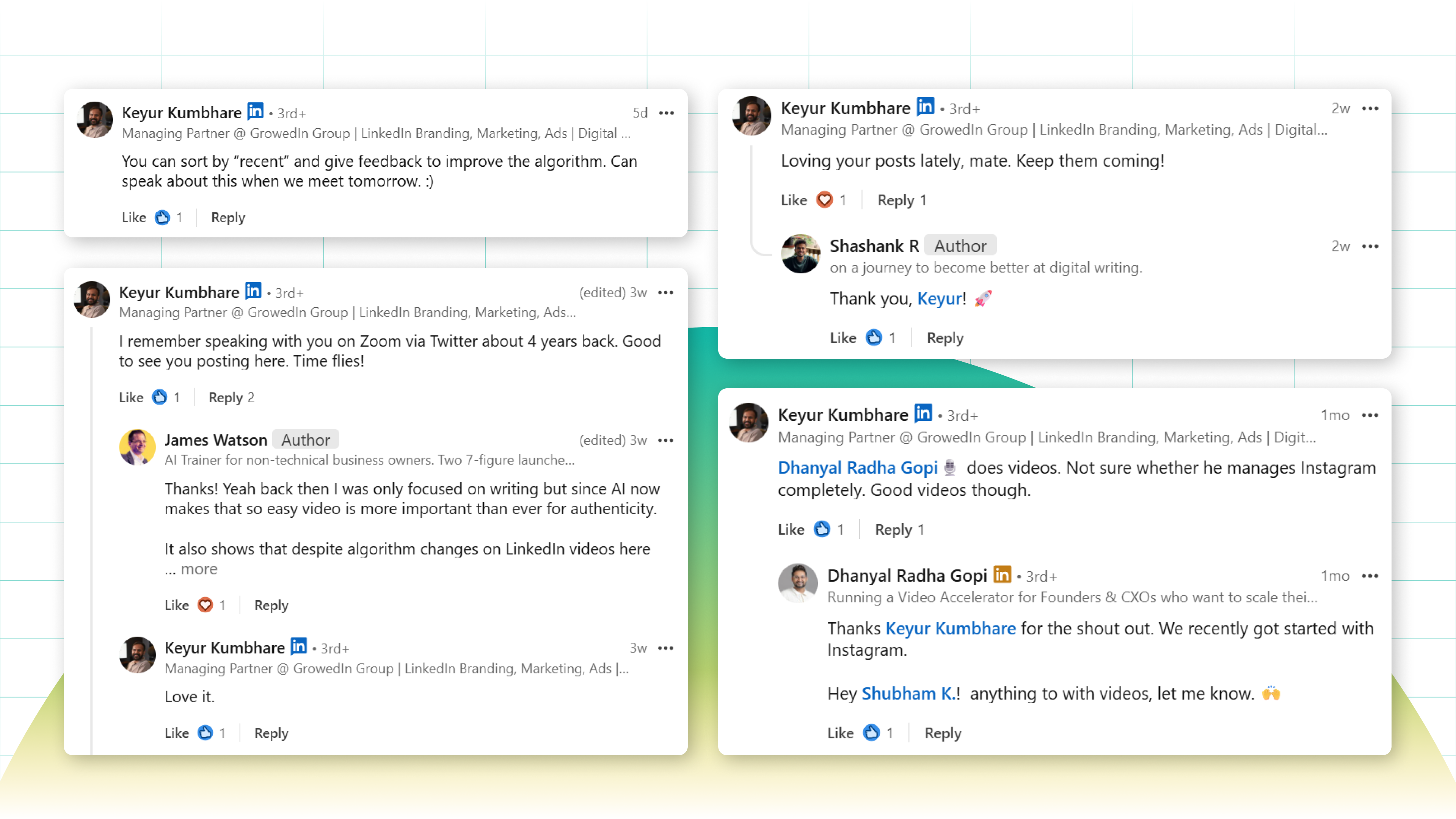
LinkedIn thrives on engagement, but how you engage matters just as much as how often. Your profile reflects your activity. Every like, comment, and reaction contributes to the impression you leave behind.
Liking all kinds of posts or leaving generic comments may seem harmless, but over time, they signal how you think, what you value, and the level of discernment you bring to conversations.
Measured Visibility
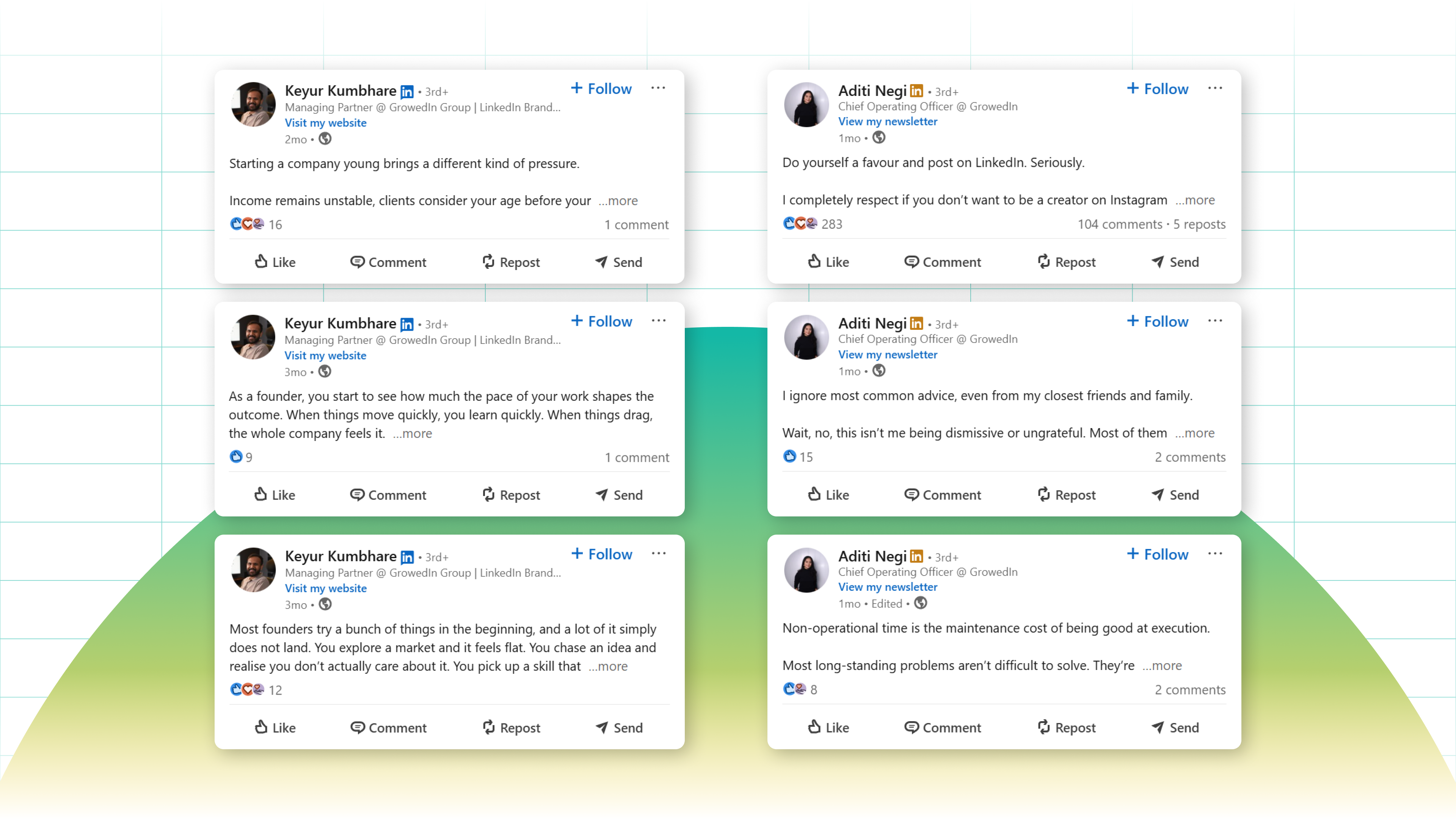
If your profile gives the impression that you live on LinkedIn, it rarely signals executive presence.
The goal is balance. Your engagement and posting frequency should reflect that you value the platform enough to show up intentionally, but not so much that it feels like your only focus.
Quality always matters more than quantity. A measured presence communicates confidence, prioritisation, and depth.
Knowing What to Leave Out
Your content needs to go deep enough to signal expertise, but not so technical that it pushes people away.
Only executive experience brings the perspective to know what truly matters in an industry. Your content should reflect that.
Even a slight sense of pretence or unnecessary technical depth can repel people more than anything else.
The Tone of Authority
If you use “I” too often, you may come across as self-focused. But overcorrecting with excessive humility, using phrases like “in my opinion,” “I think,” or “I would suggest,” can make you sound unsure.
Executive language lives in balance. You need to sound confident, not arrogant. Credible, not boastful.
That balance is easiest to achieve when you sound like yourself on a good day: clear, grounded, and secure in what you know.
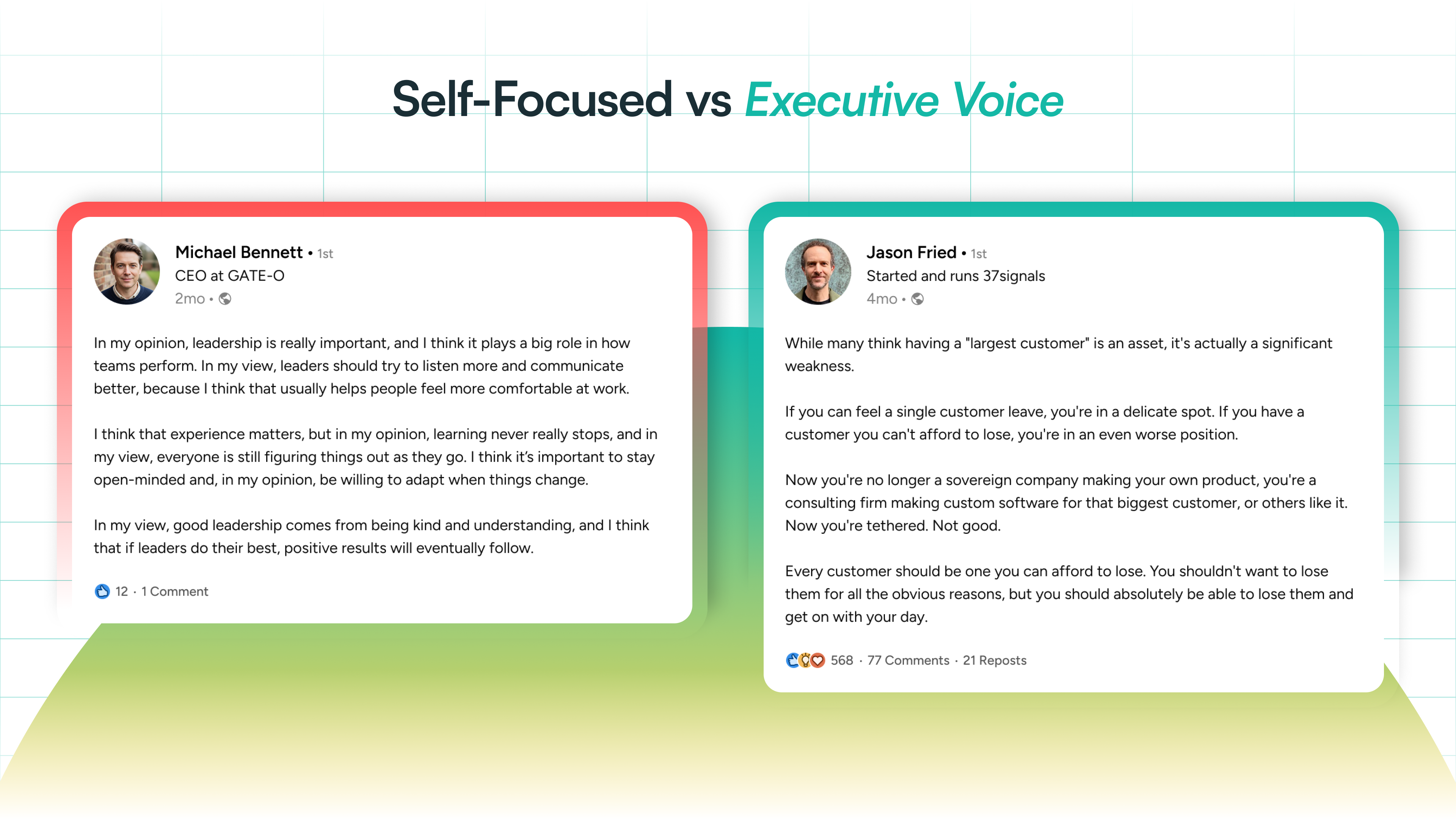
A strong executive presence on LinkedIn isn’t built through constant posting or performance. It comes from showing up with intention, clarity, and restraint, so your online presence reflects the same credibility, judgment, and leadership you bring offline.
Executive Spotlight
Rob Dube is a mindful leadership teacher, entrepreneur, and author who brings stillness into conversations often dominated by speed and ambition.
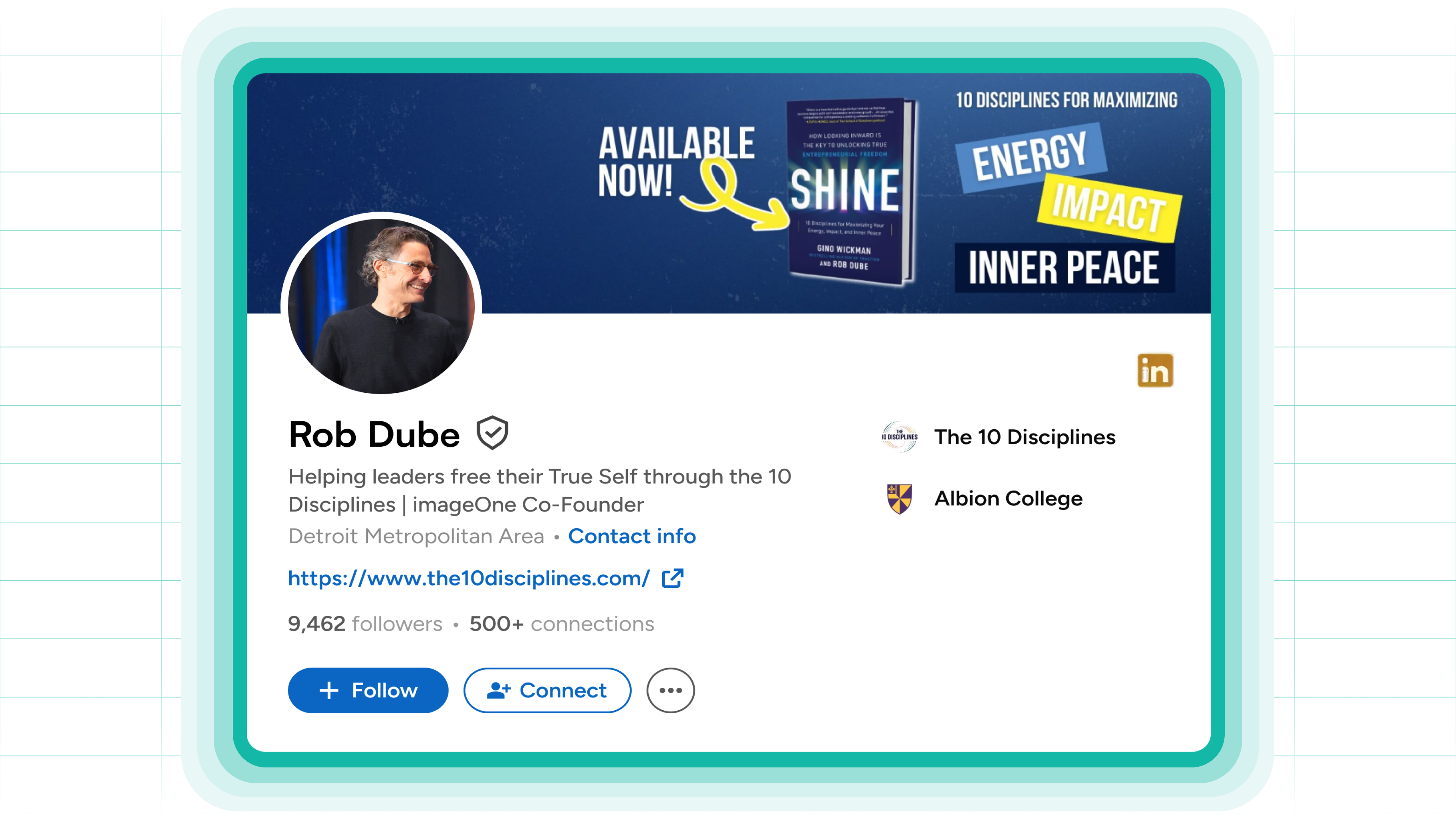
On LinkedIn, Rob writes with conviction, exploring what it means to lead without losing yourself in the process. His posts sit at the intersection of performance and presence. Like in this post, where he reflects on being both deeply driven and genuinely at peace, Rob challenges the idea that success must come at the cost of inner calm.
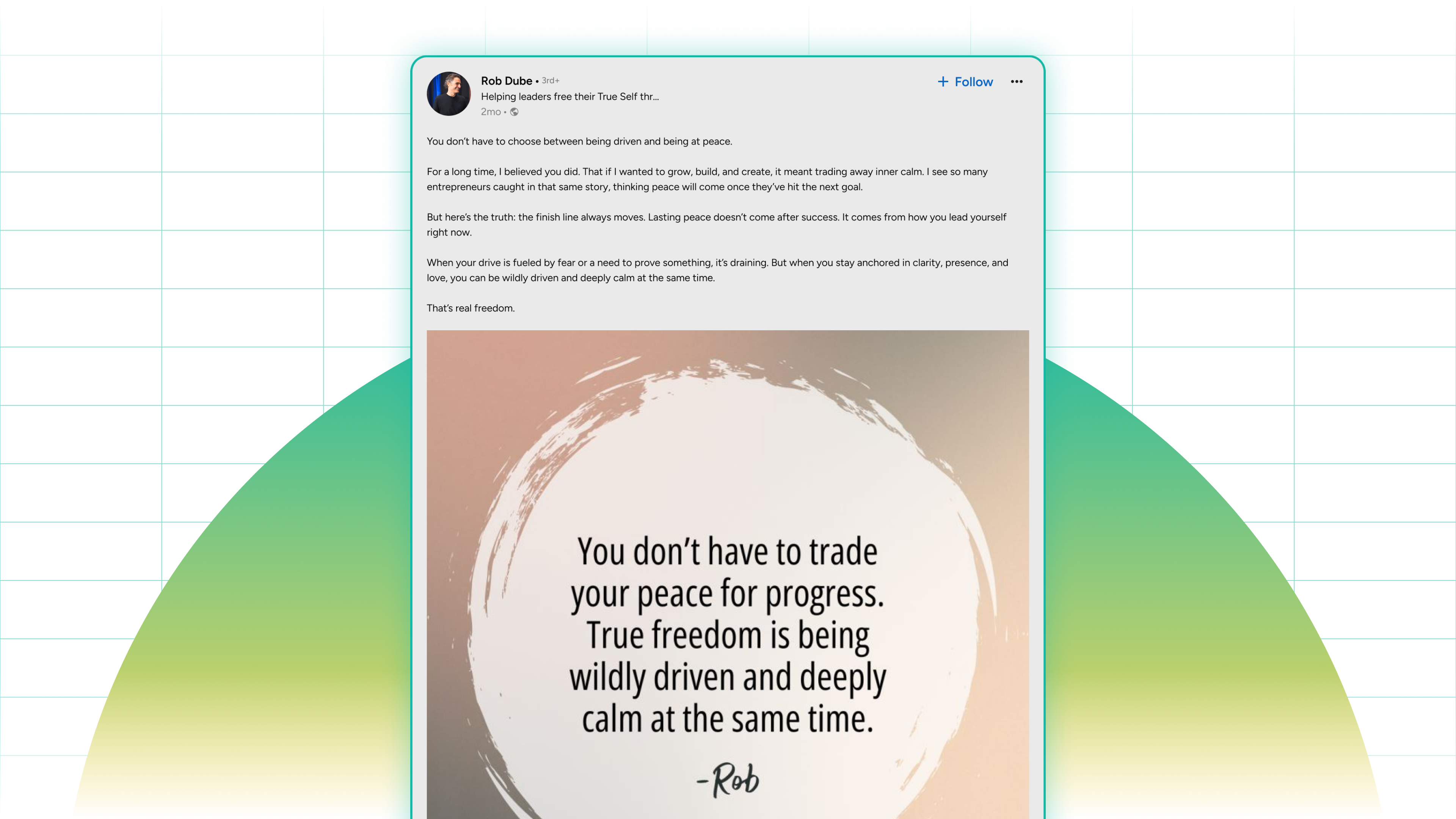
If you’re drawn to leadership that values self-awareness and purpose over constant hustle, his profile is a grounding follow.
Resource of the Week
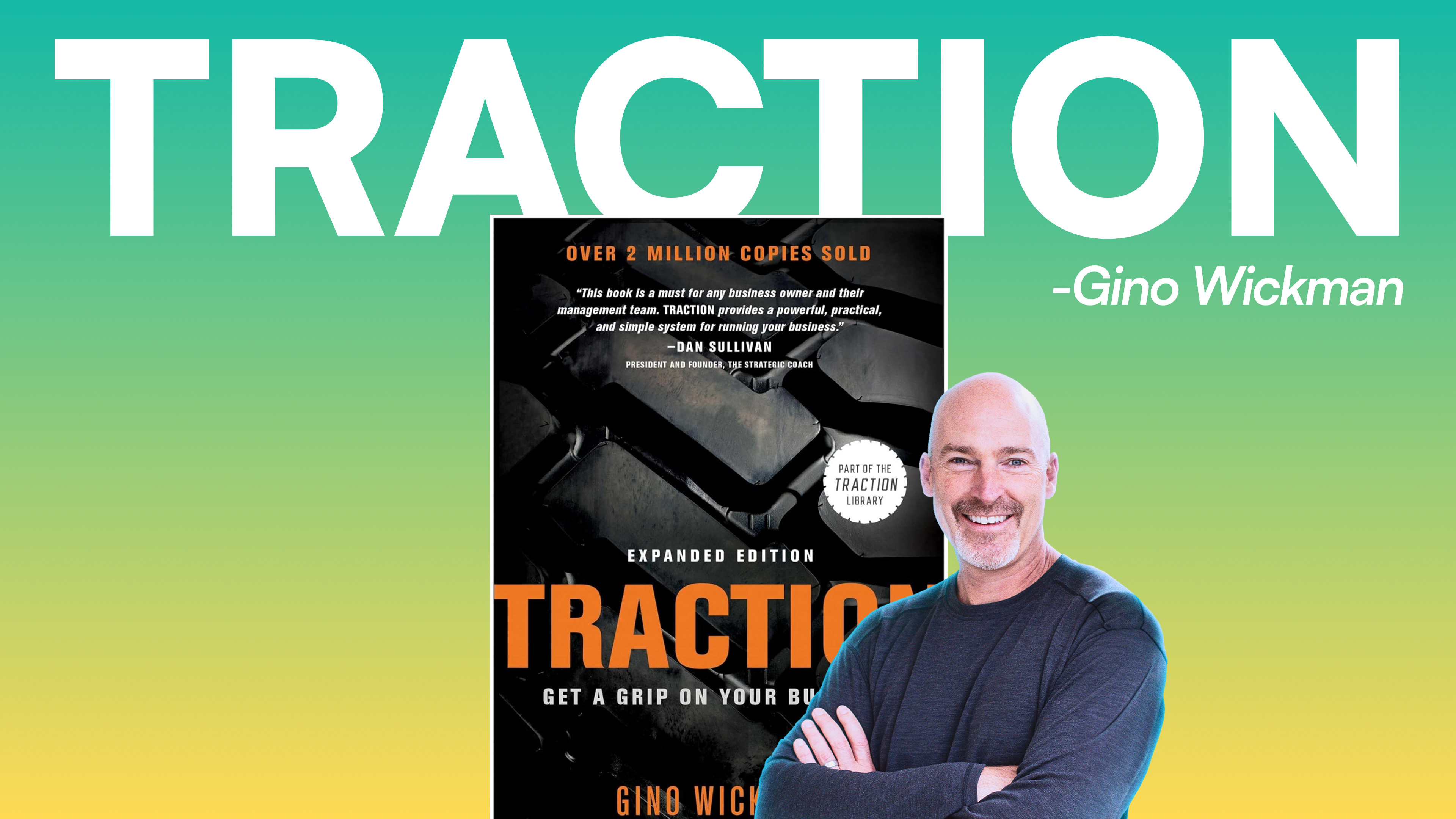
Traction by Gino Wickman is a practical guide for founders and leadership teams who want clarity and execution.
The book introduces the Entrepreneurial Operating System (EOS), a simple framework built around six core areas: vision, people, data, issues, process, and traction. If you’re running a growing business and feel busy but unfocused, Traction helps you turn vision into repeatable action.
It’s especially useful for leaders looking to bring structure without overcomplicating things.
Coming Up Next…
In our next issue, we break down an actual personalised connection message, what it said, how it was structured, and why it worked.
Till then, make every word reflect what you stand for.


