
What Thought Leadership on LinkedIn Actually Means

What You’ll Learn in this Issue
- What true thought leadership means, sharing perspective-driven insights shaped by real experience
- Why it builds trust, influence, and positions you as a credible expert in your field
- How to approach it on LinkedIn through clarity, consistency, and meaningful engagement
Thought leadership is becoming another overused, under-explored term. Most people talk about it, but very few truly understand what it means.
Even with a strong product, a solid service, and a capable marketing team, you still need one more thing to move your business forward: proof that you are the expert.
Today, let’s look at what thought leadership actually is, why it matters, and how to approach it correctly, especially on LinkedIn.
Information With Perspective
Showing up as a thought leader doesn’t mean sharing textbook facts about your field. It means sharing insights shaped by your personality, experience, and the perspective you’ve built over the years. It’s educational, but never dull.
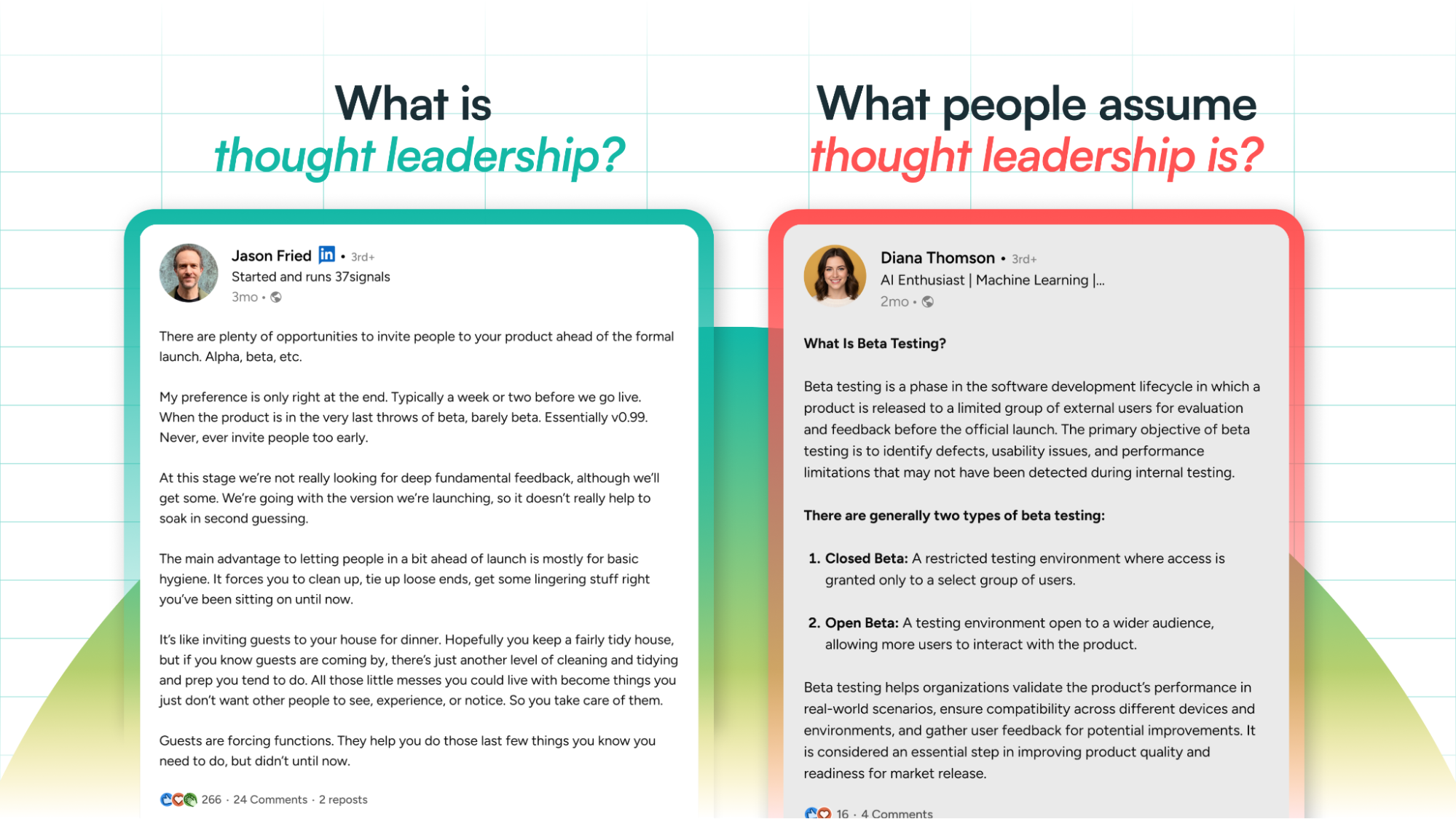
Lead With Expertise
Expertise is the foundation. Thought leaders bring perspectives and solutions shaped by real, lived experience.
Here’s what that looks like:
• Offering better ways to do things: They simplify, rethink, or reimagine processes in ways that feel genuinely useful to their audience.
• Pushing the industry forward: Their ideas shift conversations, challenge outdated patterns, and inspire others to improve.
On LinkedIn, this shows up as clarity, conviction, and a point of view people trust.
Why Thought Leadership Matters
1. It builds trust.
People don’t just want products; they want experts they can rely on. In a crowded market, trust becomes a real competitive advantage.
2. It drives engagement and influence.
Thought leaders spark conversations, shape perspectives, and encourage meaningful interaction. This keeps your brand relevant and top of mind.
3. It fuels innovation.
Thought leadership challenges outdated norms, pushes boundaries, and signals that your brand is willing to lead rather than follow when the industry shifts.
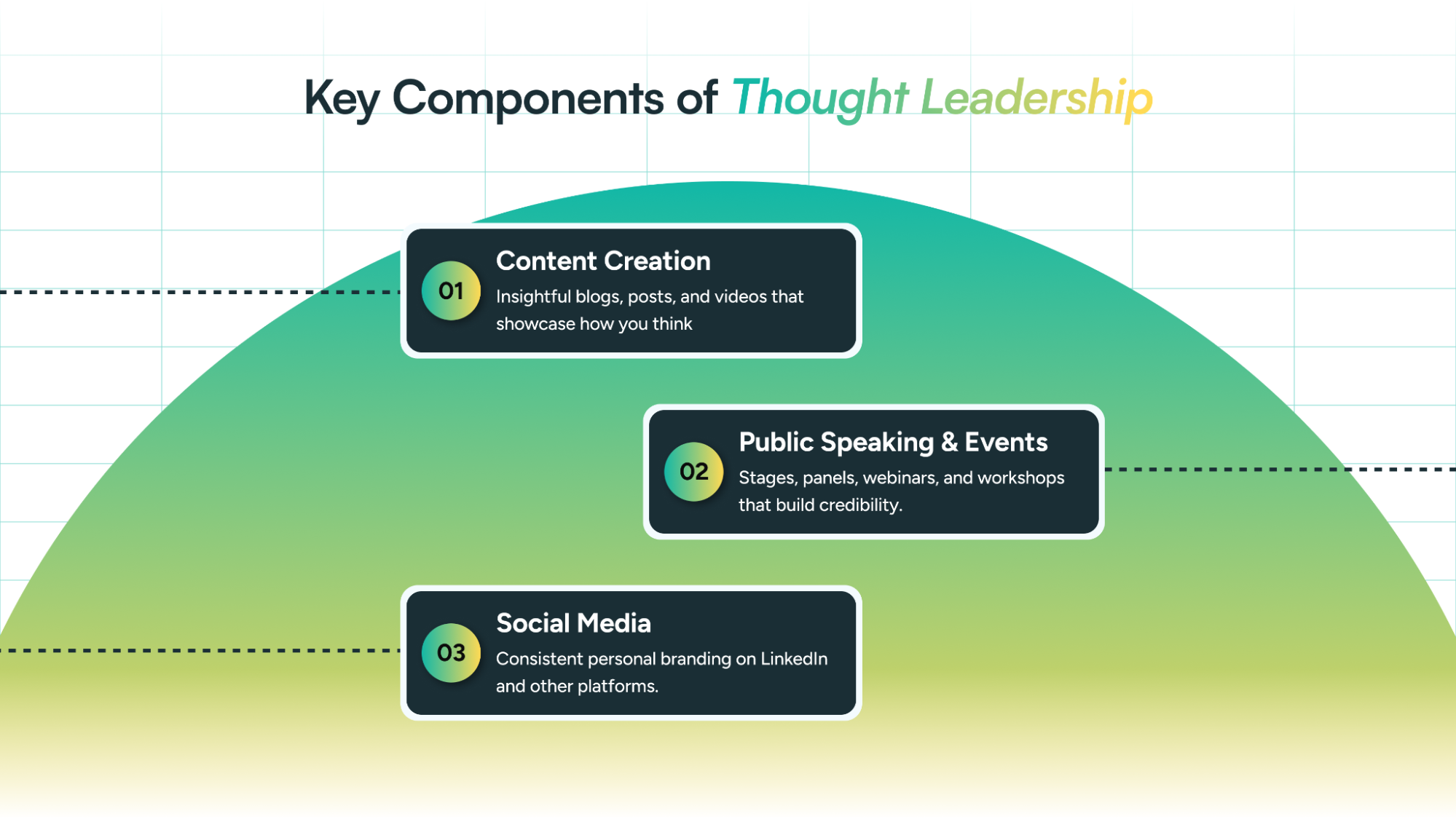
On LinkedIn
LinkedIn is one of the strongest platforms to establish yourself as a thought leader through personal branding.
Your expertise should be clearly anchored in defined content pillars, including industry insights, trends, frameworks, point-of-view-driven takes, and lessons from real experience.
A steady, intentional cadence matters. It should be consistent, not chaotic.
And if you want to be taken seriously, keep overly personal, creator-style content to a minimum.
.png)
Other ways to strengthen your thought leadership on LinkedIn:
• Share case studies and lessons learned
• Comment meaningfully on industry conversations
• Engage thoughtfully with peers and leaders in your niche
• Showcase achievements with context (what they mean for the industry, not just personal wins)
• Use data, frameworks, and trade-offs to demonstrate depth
Executive Spotlight
Amit Tilekar is a CMO with two decades of experience across Wonderchef, Godrej, and Tata.
On LinkedIn, he brings a rare sense of stillness. His posts read like thoughtful reflections, anchored in clarity rather than urgency.
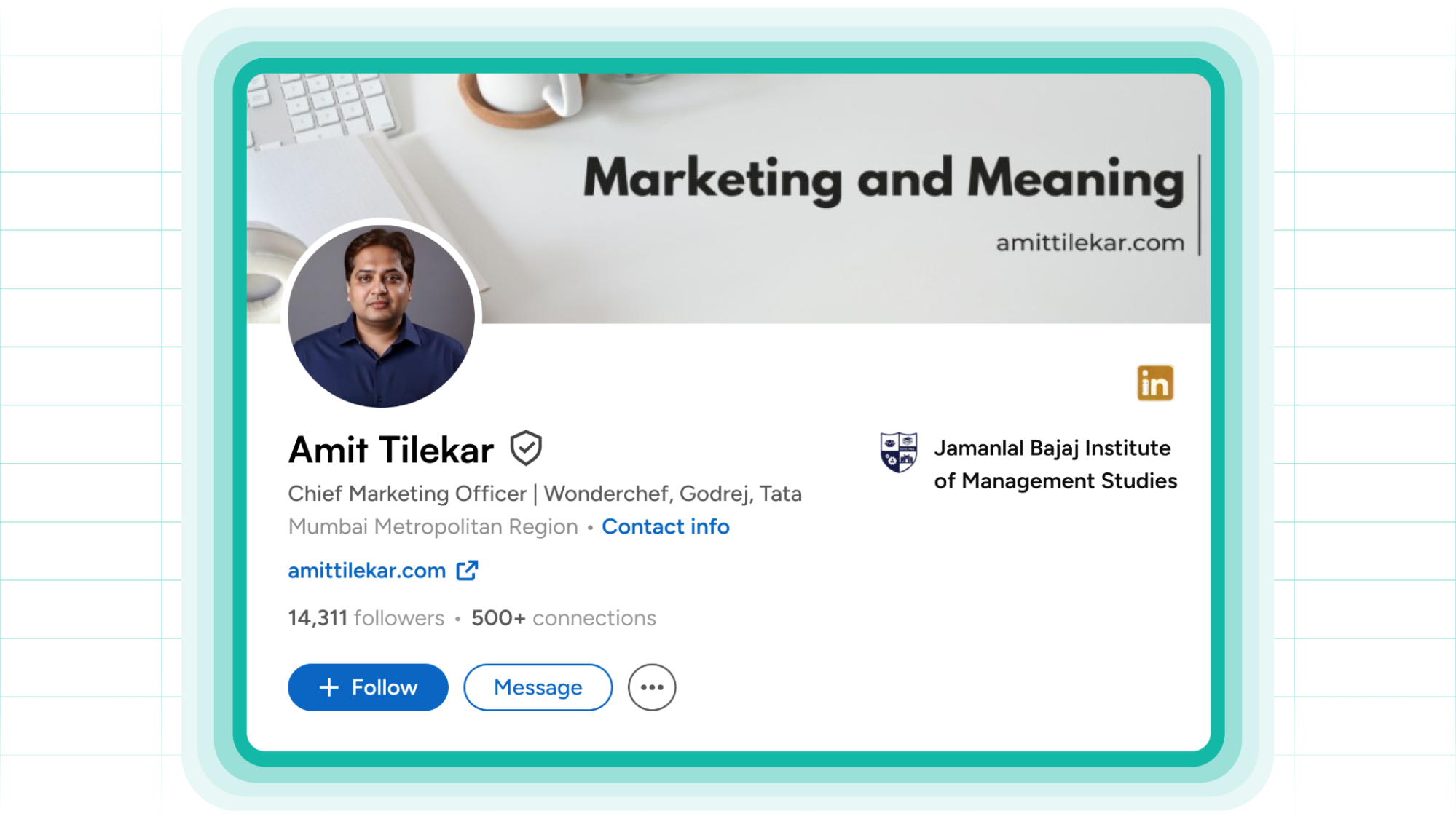
In this post, he unpacks the shift from “value for money” to “money for value,” articulating a change many of us have sensed but not examined closely.
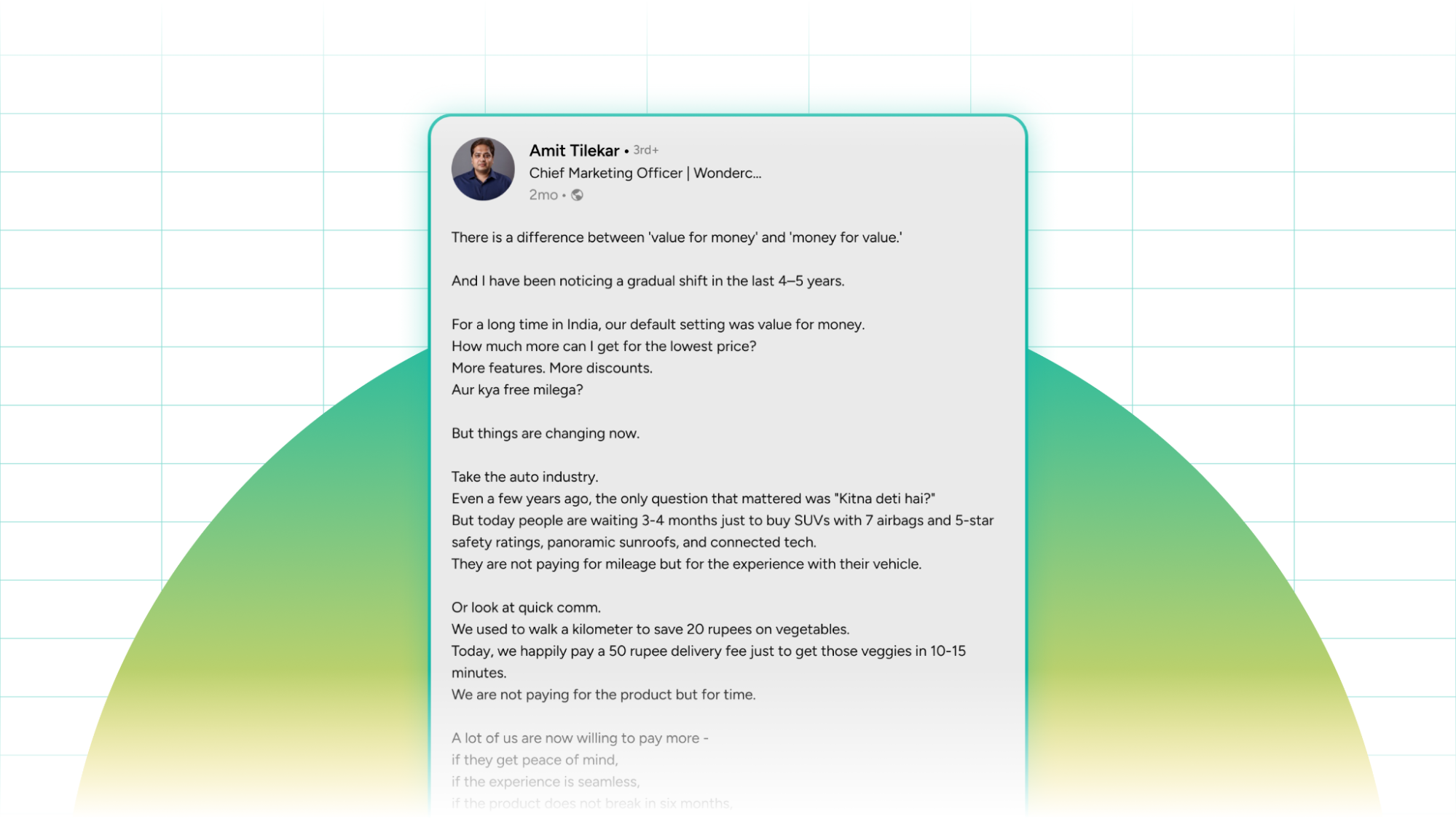
His content is calm and perspective-led, ideal for anyone who prefers depth over noise.
Resource of the Week
Google Notebook LM is one of the less talked-about yet highly useful AI tools. We introduced it in a previous issue, and this week we’re sharing a video by Enovair that clearly explains what Notebook LM can do and exactly how to use it.
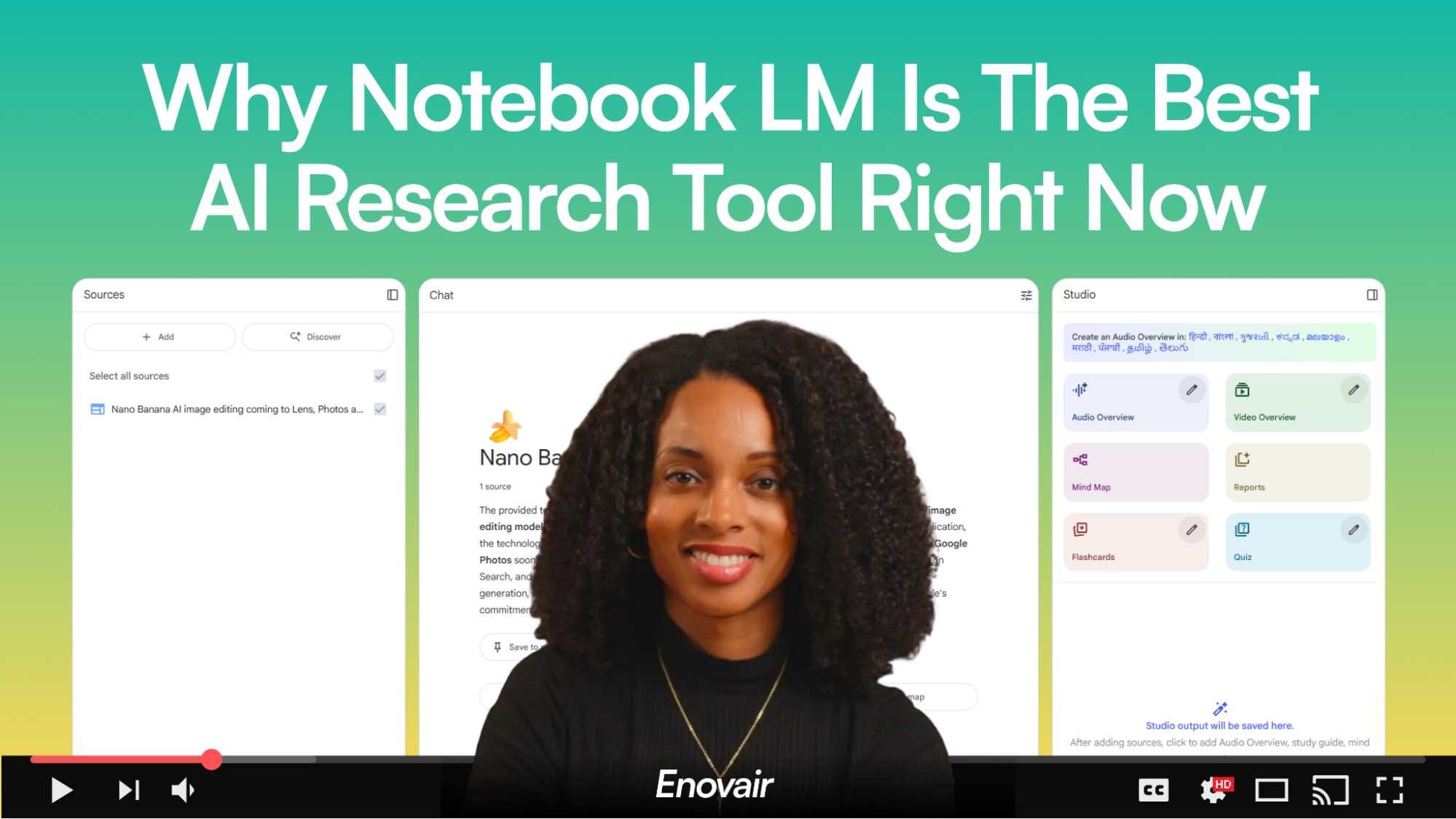
Give it a watch. If you haven’t explored Notebook LM yet, this is a great place to start.
Coming Up Next…
There is no single LinkedIn Thought Leadership playbook. Your approach should shift depending on your stage and what you want from the platform.
In next week’s issue, we’ll break this down and simplify how your strategy should evolve over time.
Until then, if you’re a leader, show up like one.


