
The Art of Being Memorable in LinkedIn Comments

What You’ll Learn in this Issue
- LinkedIn recognition can be built through thoughtful commenting, not just posting
- Different commenting styles create different identities: blunt, supportive, or reflective
- Consistent, meaningful engagement helps build credibility, recall, and stronger professional relationships
Most people think LinkedIn personal branding is built through posting. But some professionals have built strong recognition almost entirely through the way they comment.
Over time, their comments became part of their identity. People began to associate them with a certain tone, perspective, and way of thinking.
Today, we’re breaking down how they’ve used commenting to build credibility, reinforce perception, and become memorable on LinkedIn.
Mejo Kuriachan
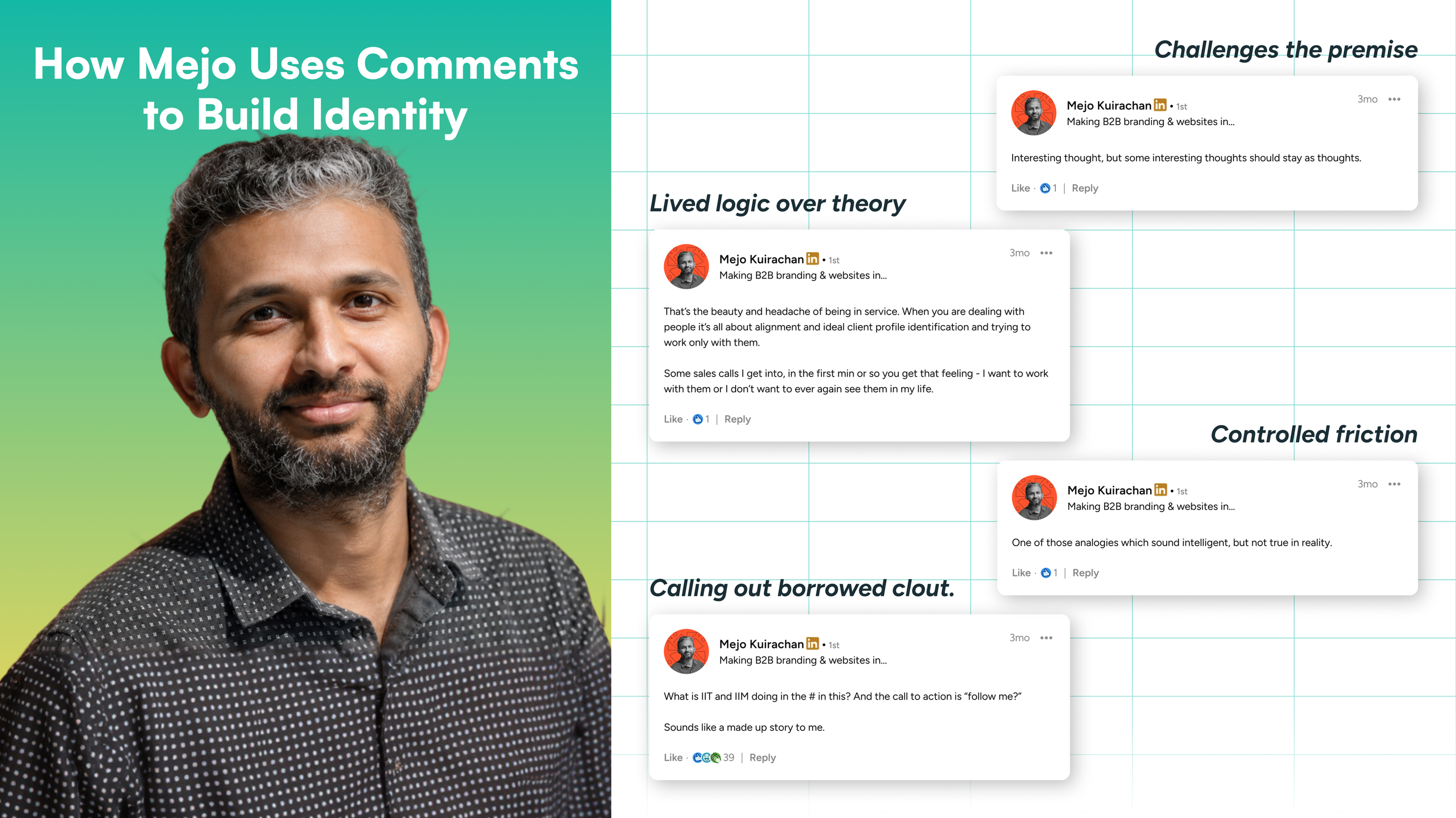
If you want to have a good time on LinkedIn once in a while, there are certain profiles you can simply open and read the comments on. Mejo’s is one of them.
From the comments he leaves on others’ posts to the replies on his own, he often says what many people are thinking, but won’t type out loud.
He doesn’t hesitate to be:
• Blunt, sometimes uncomfortable
• Short, decisive, and opinionated
• Willing to call out bad logic, hypocrisy, or fluff
• Emotionally honest without being performative
He rarely softens his stance to be likable. And that’s exactly why people notice him. We’ve seen his profile grow steadily, and this approach is likely a key reason.
Mejo is a clear example that you don’t need to be a people-pleaser on LinkedIn. You can tell the truth, and still build a strong, credible identity.
Raghav Kumar
Raghav Kumar is someone whose comments make people feel at home.
He’s that supportive friend in the comments, and that’s exactly why people remember him. His comments are warm, specific and consistent.
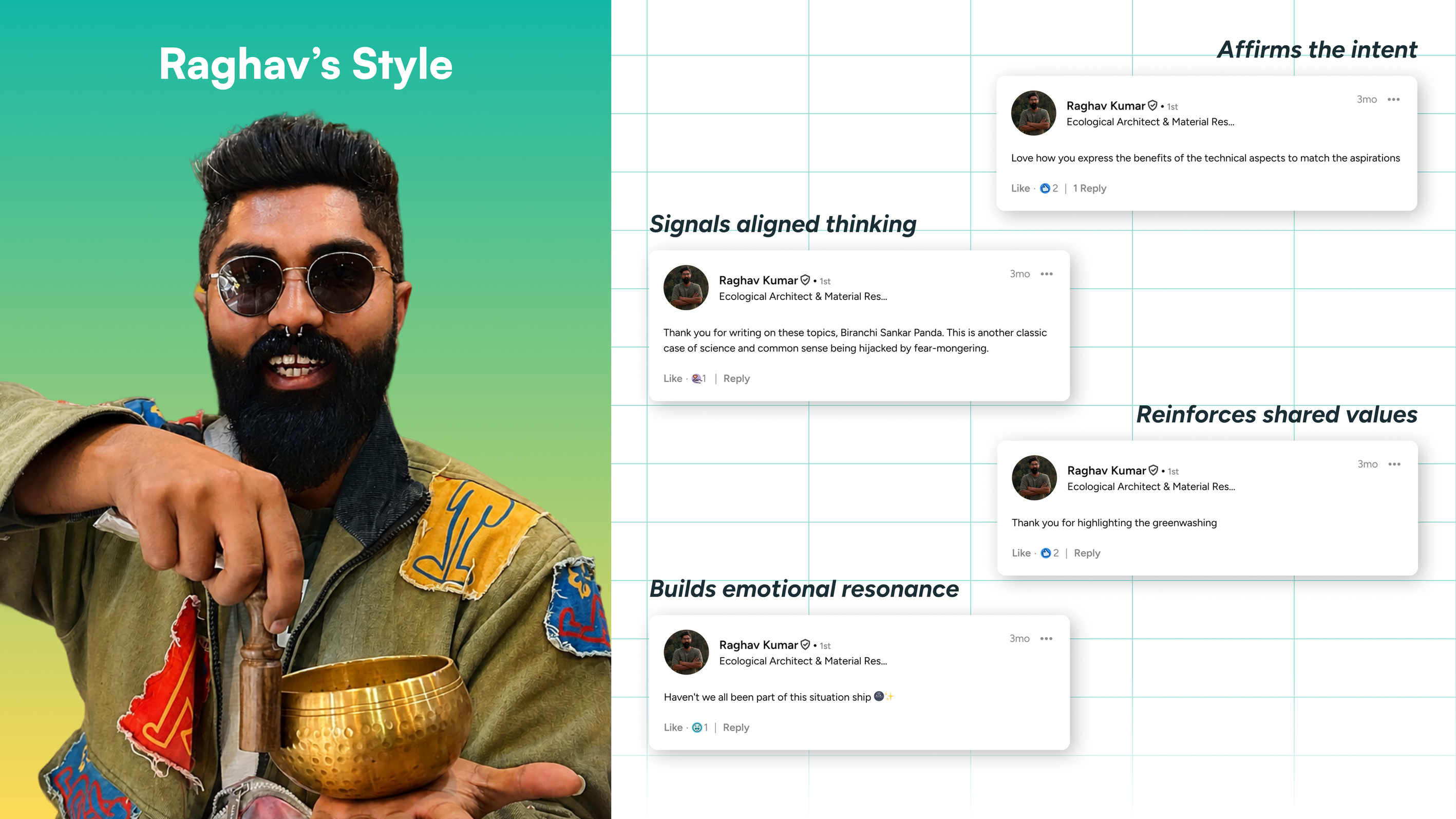
He shows up on the same people’s posts again and again, adding thoughtful affirmations and acknowledging good work.
This consistency builds strong rapport, steady engagement, and an ideal environment for networking, which is critical in his field.
Ayushi Kalyani
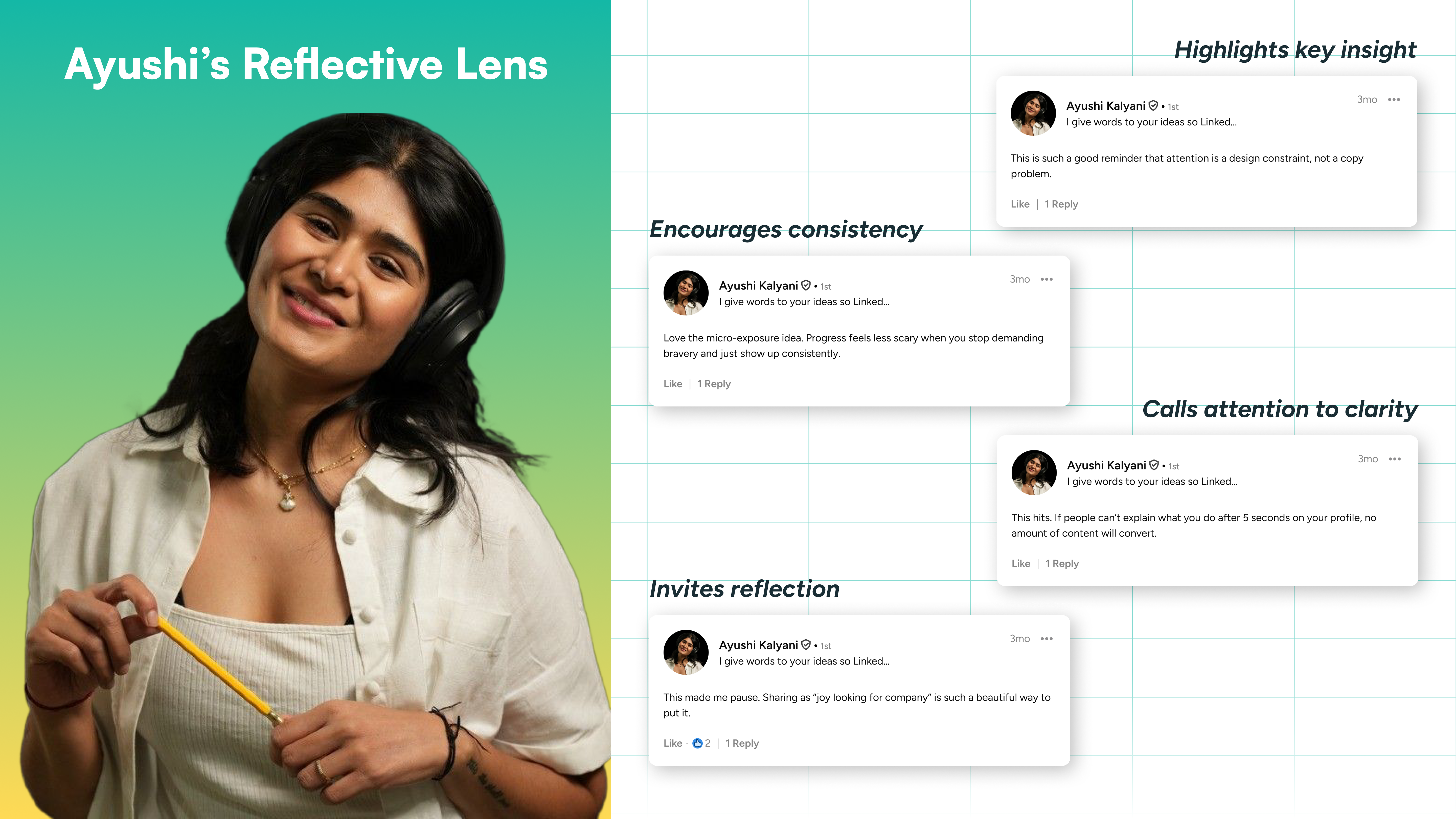
Ayushi’s comments deepen the conversation rather than dominating it. She reflects, reframes, and adds language to thoughts others are still forming. Her style is thoughtful and precise.
She usually,
• Names the underlying idea
• Adds clarity without overexplaining
• Responds with emotional intelligence
Her comments often feel like pauses in the feed, moments that make you stop, reread, and nod. That consistency builds trust, recognition, and a calm authority.
Three of them are good commenters and have gained considerable visibility through it, but their strategy isn’t the same.
If there is one, it’s this: if you’re going to engage, make it meaningful, authentic, and impactful.
Executive Spotlight
Ben Goldstein is the director of content at Contentstack.
On LinkedIn, he writes about marketing, work culture, and creativity with an unfiltered approach.

He focuses on everyday observations and turns them into structured, engaging ideas rather than over-polished thought leadership. In one post, he builds an entire personality framework around inbox unread counts and browser tabs, making something trivial instantly relatable and interactive.
If you’re looking for a voice that offers a sharp operating perspective with a tint of humour, Ben is a strong example of how personality-led content can still carry depth.
.png)
Resource of the Week
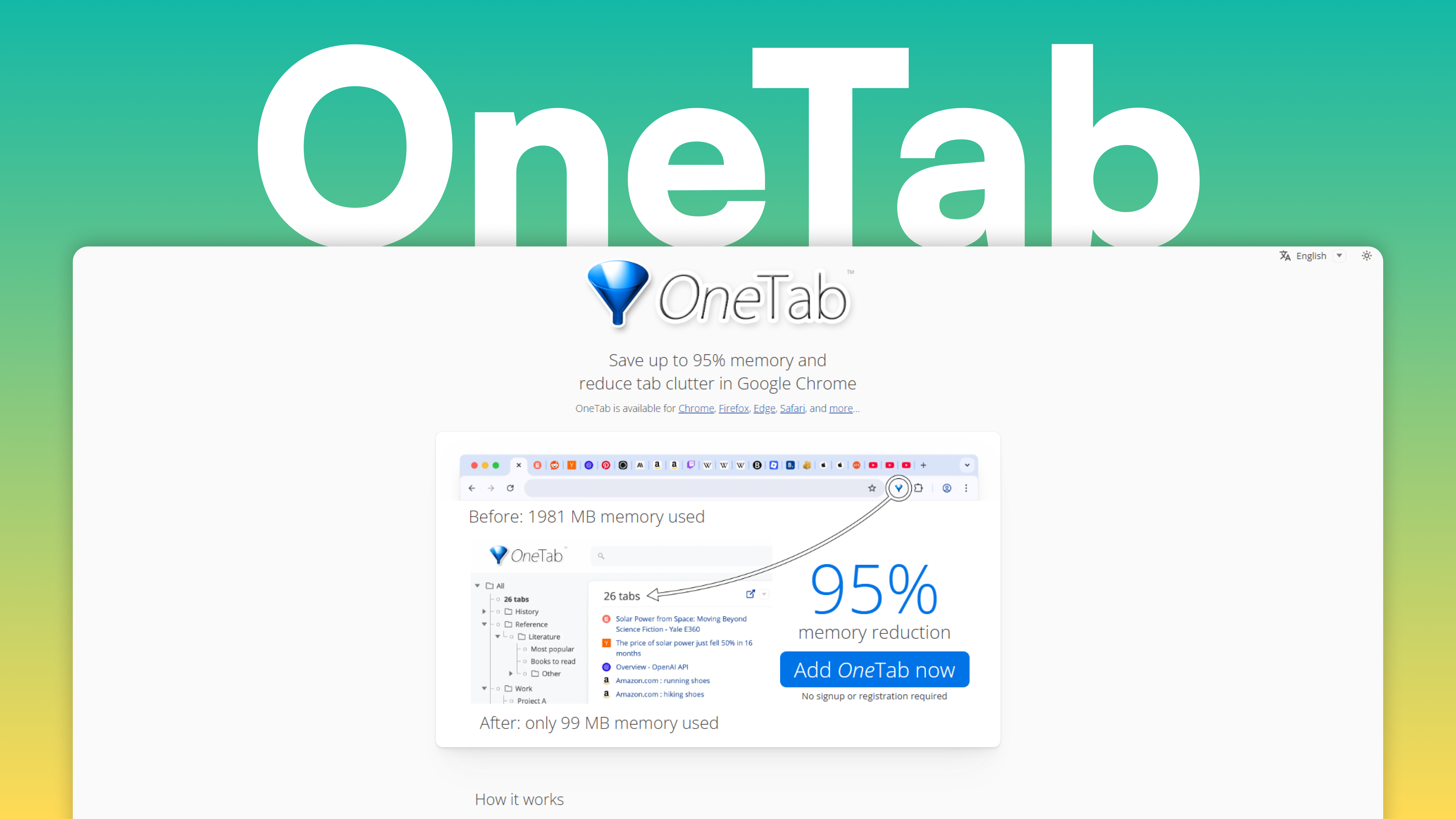
If you’re someone who lives with 20+ tabs open at all times, OneTab is a lifesaver.
It collapses all your open tabs into a single list with one click, instantly decluttering your browser and freeing up memory.
It’s simple and effective. Great for research-heavy days, deep work sessions, or anyone who wants less chaos.
Coming Up Next…
Think personal branding is only for people who love being online? Next issue, we break down one of the biggest misconceptions around LinkedIn visibility.
Till then, engage with intent, not obligation.


